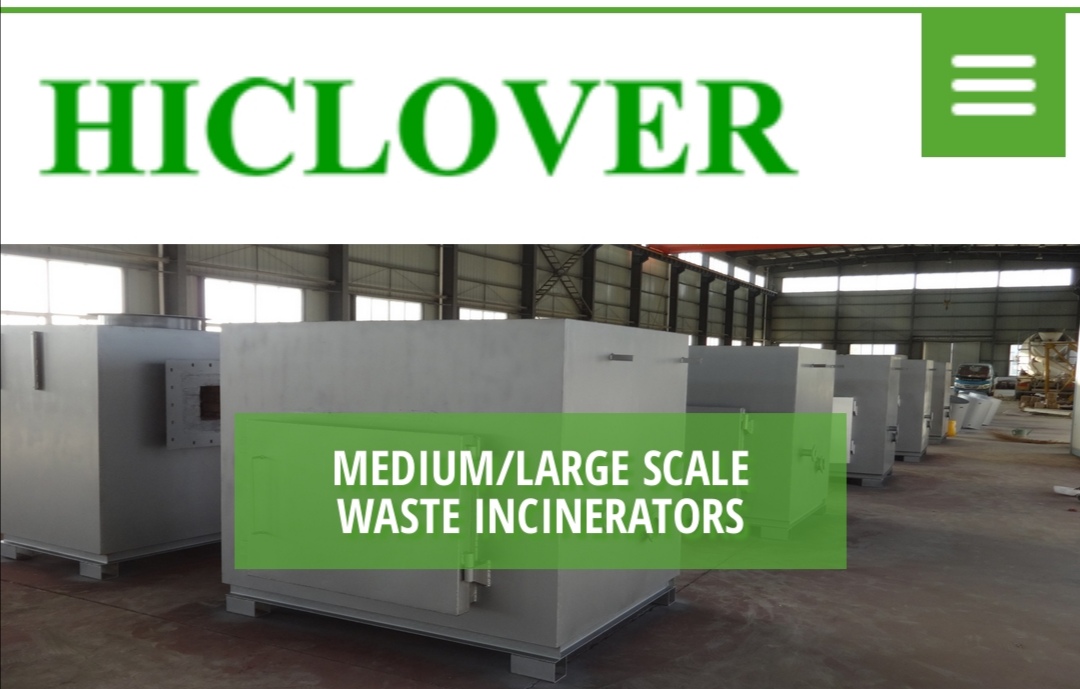
In recent years, Ethiopia has been grappling with waste management challenges that have significant environmental implications. The rapid urbanization in cities like Addis Ababa and the growing population have led to an increase in waste production, putting immense pressure on outdated waste disposal systems. Traditional landfilling practices have proven inadequate, often leading to pollution, health hazards, and greenhouse gas emissions. To address these pressing issues, Ethiopia is exploring innovative waste management solutions, particularly through the deployment of advanced incineration technology, such as the Drum Cyclonic Barrel Portable Incinerator.
Understanding Drum Cyclonic Barrel Portable Incinerators

The Drum Cyclonic Barrel Portable Incinerator is specifically designed for the efficient and environmentally friendly disposal of waste through high-temperature combustion. Unlike traditional incinerators, this equipment features a unique cyclonic burn method that ensures complete combustion of waste materials, minimizing emissions and maximizing energy recovery.
This innovative incinerator is equipped with a dual-chamber system that enhances thermal efficiency and improves emissions control. With refractory lining to withstand high temperatures, the design allows for the incineration of a variety of waste types, including hospital waste, agricultural residues, and animal carcasses, making it an invaluable asset for local governments and humanitarian organizations alike.
Real-World Applications and Scenarios
1. Hospital Waste Management in Addis Ababa
In Addis Ababa, hospitals generate substantial amounts of hazardous medical waste that require immediate and safe disposal methods. Traditional waste disposal methods pose high risks of infection and environmental contamination. The adoption of the Drum Cyclonic Barrel Portable Incinerator in hospitals has enabled efficient waste management. For instance, one hospital has reported a 90% reduction in the volume of infectious waste through incineration, significantly lowering the risk of health hazards and ensuring compliance with local regulations on medical waste management.
2. Emergency Response in Rural Areas
In the case of emergency response operations in rural Ethiopia, waste disposal becomes crucial. Natural disasters can lead to a sudden influx of waste materials that need swift action. NGOs and disaster-relief operators have effectively utilized these portable incinerators to manage waste from temporary shelters and medical camps. The mobility of the Drum Cyclonic Barrel Incinerator allows for quick deployment in remote areas, ensuring that waste is treated on-site, thus minimizing the risk of environmental contamination.
Environmental Compliance and Emissions Standards
Adhering to emissions standards is a fundamental aspect of modern waste management strategies. The implementation of the Drum Cyclonic Barrel Portable Incinerator complies with EPA guidelines and other international waste management regulations, ensuring that harmful emissions, including dioxins and furans, are minimized. The equipment provides multiple layers of emissions control technology, including air injection systems and filtration, to achieve low emissions that meet or exceed statutory requirements.
The combination of advanced combustion technology and emissions control makes the Drum Cyclonic Barrel Incinerator a leading option for environmentally compliant waste treatment solutions in Ethiopia and beyond.
Advantages Over Traditional Incinerators
When compared to conventional incinerators, the Drum Cyclonic Barrel Portable Incinerator offers numerous advantages:
- Efficiency: Cyclonic burn ensures thorough combustion, reducing waste volume by up to 97%.
- Mobility: Its portable design allows for easy transport to remote or disaster-stricken areas.
- Lower Emissions: Advanced emissions control systems help comply with environmental regulations.
- Flexibility: Capable of incinerating various waste types, including hazardous medical and organic wastes.
Comparison of Waste Management Solutions
| Feature | Traditional Incinerator | Drum Cyclonic Barrel Portable Incinerator |
|---|---|---|
| Thermal efficiency | Moderate | High |
| Mobility | Stationary | Portable |
| Emissions control | Limited | Advanced |
| Waste types | Specific | Versatile |
Frequently Asked Questions (FAQs)
What types of waste can the Drum Cyclonic Barrel Portable Incinerator handle?
The Drum Cyclonic Barrel Portable Incinerator is designed to effectively manage various waste types, including hospital waste, agricultural by-products, and animal carcasses.
How does the emissions control system work?
The incinerator features advanced emissions control technology, including air injection systems and filters, which significantly reduce harmful pollutants before they are released into the atmosphere.
Is this incinerator suitable for remote locations?
Yes, its portable design and lightweight construction make it ideal for deployment in remote or disaster-affected areas, allowing for on-site waste management.
What are the main benefits of using this incineration technology?
Benefits include high thermal efficiency, reduced emissions, versatility in waste handling, and compliance with environmental regulations, making it a sustainable waste management solution.
Can this incinerator be used in compliance with local regulations?
Absolutely. The Drum Cyclonic Barrel Portable Incinerator meets and often exceeds local and international emissions standards, ensuring responsible waste disposal practices.
Conclusion
As Ethiopia faces mounting challenges in waste management, innovative solutions like the Drum Cyclonic Barrel Portable Incinerator offer a sustainable path forward. By enhancing waste processing capabilities and ensuring compliance with environmental regulations, these advanced incinerators not only protect public health but also contribute to a cleaner, more sustainable environment. The incorporation of such technologies is essential for proactive waste management strategies, particularly in rapidly urbanizing regions and areas affected by emergencies.