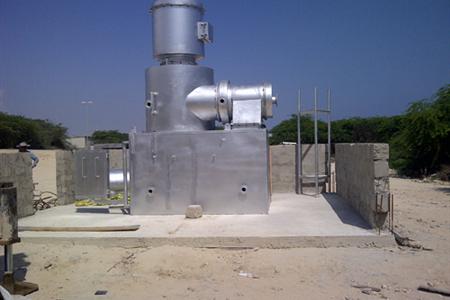
The landscape of waste management in Ethiopia is evolving rapidly, as urban centers expand and rural communities face increasing waste challenges. As cities like Addis Ababa grow, the accumulation of waste becomes a pressing concern, compelling stakeholders to seek innovative solutions. Among the many technologies emerging in this context, the Drum Cyclonic Barrel Portable Incinerator stands out as a game-changer for both urban and rural areas. This article delves into the significance of this innovative incineration solution, its technical configurations, real-world applications, environmental compliance, and much more.
The Waste Management Challenge in Ethiopia

Waste management in Ethiopia faces significant hurdles. Traditional methods often fall short of addressing the rapid increase in waste volume due to urbanization, leading to unsightly landfills and health hazards. Many rural and remote communities lack reliable infrastructure for waste disposal, resulting in open dumping and environmental degradation. Furthermore, specific types of waste, such as medical and hazardous materials, pose dire risks if not properly managed.
Introducing the Drum Cyclonic Barrel Portable Incinerator
The Drum Cyclonic Barrel Portable Incinerator is designed to tackle these challenges with cutting-edge technology. Unlike traditional incinerators, this equipment utilizes a dual-chamber system that promotes cyclonic burn, ensuring efficient waste processing with minimal emissions. Key features include:
- Mobility: Lightweight and portable design, making it ideal for remote locations.
- Thermal Efficiency: High-temperature combustion for effective waste breakdown.
- Refractory Lining: Durable interior that withstands intense heat and extends the life of the incinerator.
- Fuel Flexibility: Can operate on wood, diesel, or other locally available fuels.
- Environmental Compliance: Meets stringent emissions standards, ensuring less pollution.
Real-World Applications
1. Healthcare Waste Management in Addis Ababa
In urban healthcare settings like Addis Ababa, hospitals generate substantial amounts of medical waste, including sharps, biohazardous material, and outdated medications. The Drum Cyclonic Barrel Portable Incinerator allows hospitals to dispose of these wastes on-site, efficiently eliminating potential health hazards. By employing this technology, institutions can adhere to waste management regulations while ensuring the safety of both staff and patients.
2. Animal Carcass Disposal in Rural Areas
In pastoral communities, livestock are central to the economy. However, diseases can quickly escalate through deceased animals. Utilizing the Drum Cyclonic Incinerator, local farmers and veterinary services can safely dispose of carcasses, preventing outbreaks and promoting public health. The ability to operate in off-grid locations ensures that even the most isolated areas can maintain sanitary practices.
Environmental Compliance and Emissions Standards
Environmental regulations are pivotal in waste management, particularly in sensitive regions like Ethiopia. The Drum Cyclonic Barrel Portable Incinerator is engineered to comply with international emissions standards, minimizing harmful outputs. It features advanced filtration systems that reduce particulate matter and volatile organic compounds. This commitment to sustainability positions it as a leader in responsible waste management.
Comparative Analysis of Waste Management Solutions
| Feature | Traditional Incinerators | Drum Cyclonic Barrel Portable Incinerator |
|---|---|---|
| Mobility | Stationary | Portable |
| Fuel Type | Fixed | Diverse |
| Efficiency | Moderate | High |
| Environmental Compliance | Variable | High |
Frequently Asked Questions (FAQs)
What types of waste can the Drum Cyclonic Barrel Portable Incinerator handle?
The incinerator is capable of processing various types of waste, including medical waste, animal carcasses, and general refuse, making it versatile for multiple applications.
Is the Drum Cyclonic Barrel Portable Incinerator suitable for rural healthcare facilities?
Yes, its portable design allows it to be set up in remote locations, providing an effective waste disposal solution for rural healthcare facilities lacking infrastructure.
How does the incinerator ensure minimal emissions?
The incinerator employs advanced combustion techniques and a dual-chamber system that enhances thermal efficiency and pollutants’ breakdown, thus meeting stringent environmental standards.
Can the incinerator operate on renewable energy sources?
Indeed, it can utilize biomass, such as wood and agricultural waste, making it an eco-friendly option for sustainable waste management.
What support is available for installing and operating the incinerator?
Manufacturers typically provide installation support, training for operators, and ongoing maintenance services to ensure the incinerator operates optimally.
Conclusion
The Drum Cyclonic Barrel Portable Incinerator embodies a transformative solution in Ethiopia’s waste management landscape. By adopting this technology, hospitals, rural communities, and NGOs can manage waste responsibly and sustainably. Its portability, efficiency, and compliance with emissions standards set it apart from traditional methods, promoting a cleaner and healthier environment for all. As waste challenges intensify, innovative solutions like this will be crucial in safeguarding public health and protecting Ethiopia’s natural resources.