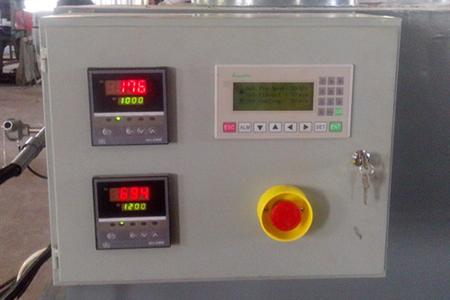
In developing nations like Liberia, effective waste management remains a considerable challenge, compounded by limited infrastructure and growing urban populations. A significant portion of waste—medical, industrial, and agricultural—often ends up in open landfills, leading to severe environmental and public health risks. Traditional waste disposal methods are inadequate, necessitating the need for innovative solutions like the Drum Cyclonic Barrel Portable Incinerator. This article explores the transformative role this cutting-edge incineration equipment can play in revolutionizing waste management in Liberia.
Emerging Waste Management Challenges in Liberia

Liberia’s waste management crisis is largely driven by rapid urbanization, with cities like Monrovia facing increasing volumes of waste that outpace current disposal capabilities. Hospitals generate significant amounts of hazardous waste, which, if improperly managed, can lead to the spread of infectious diseases. Furthermore, agricultural waste, such as animal carcasses, poses additional challenges. There is not only a pressing need for efficient waste disposal solutions but also an approach that complies with environmental standards.
Understanding Drum Cyclonic Barrel Portable Incinerators
The Drum Cyclonic Barrel Portable Incinerator is a compact, efficient waste disposal system designed for diverse operational environments, including rural, military, and humanitarian contexts. Its innovative design incorporates advanced thermal efficiency features that promote a cyclonic burn process, ensuring thorough combustion and minimal emissions.
The primary configuration of the unit includes:
- Dual Chamber Design: This allows for a two-stage burn process, reducing smoke and unburned residue.
- Refractory Lining: Ensures enhanced heat retention and durability, making it suitable for high-volume waste.
- Mobility Features: Designed for easy transport, ideal for remote locations or emergency responses.
- Versatile Fuel System: Capable of burning various waste types, including medical, agricultural, and hazardous waste.
Real-World Applications in Liberia
Case Study 1: Medical Waste Disposal in Monrovia
In Monrovia, hospitals face critical challenges concerning medical waste management. Inadequately managed waste poses health risks to patients and healthcare providers. With the implementation of the Drum Cyclonic Barrel Portable Incinerator, local hospitals are now able to safely incinerate potentially hazardous medical waste on-site. This not only complies with health regulations but also protects the community by preventing waste accumulation in landfills.
Case Study 2: Emergency Response in Rural Areas
During natural disasters, such as flooding or civil unrest, the accumulation of debris and waste can hinder relief efforts. The Drum Cyclonic Barrel Portable Incinerator has proven invaluable in these scenarios, allowing NGO teams to swiftly dispose of waste, including animal carcasses and other hazardous materials. This expediency helps maintain community health and improves conditions for disaster response teams operating in challenging environments.
Environmental Compliance and Emission Standards
As the global community becomes increasingly aware of the importance of environmental protection, waste incineration facilities are under stringent scrutiny to adhere to emissions standards. The Drum Cyclonic Barrel Portable Incinerator is engineered to meet and exceed local and international environmental compliance guidelines. Its design minimizes harmful emissions, offering a cleaner alternative to traditional incinerators that fail to provide adequate emissions control.
According to the Liberia Environmental Protection Agency, enhancing waste management practices is crucial to achieving sustainable development in the region.
Key Advantages Over Traditional Incinerators
| Feature | Drum Cyclonic Barrel Portable Incinerator | Traditional Incinerators |
|---|---|---|
| Mobility | Highly portable, ideal for remote locations | Fixed installations, less adaptable |
| Fuel Efficiency | Advanced cyclonic combustion increases efficiency | Less efficient, higher fuel consumption |
| Emissions Control | Meets modern environmental standards | Often fails to control emissions effectively |
FAQs
What types of waste can the Drum Cyclonic Barrel Portable Incinerator safely burn?
The incinerator is versatile and designed to safely burn medical waste, agricultural residues, animal carcasses, and general hazardous waste.
How does the incinerator minimize emissions?
It employs a dual chamber design that promotes cyclonic burning, ensuring complete combustion and significantly lowering harmful emissions.
Is the Drum Cyclonic Barrel Portable Incinerator easy to transport?
Yes, its compact design and built-in mobility features allow for easy transport, making it ideal for field operations in remote areas.
Can this incinerator comply with local environmental regulations?
Absolutely. The incinerator is designed to exceed Liberia’s environmental compliance standards, offering a safer waste disposal method.
Who can benefit from this incineration solution?
Hospitals, NGOs, government agencies, and organizations involved in disaster response or rural development can all benefit from this effective waste management solution.
Conclusion
The need for innovative waste management solutions in Liberia is clear, with the Drum Cyclonic Barrel Portable Incinerator offering a practical answer to both local challenges and global environmental standards. Its advanced features—fuel system, mobility, and dual combustion chambers—set it apart as a crucial tool for hospitals, NGOs, and government agencies dedicated to sustainable waste management. By adopting this technology, Liberia can lead the way towards safer, cleaner communities.