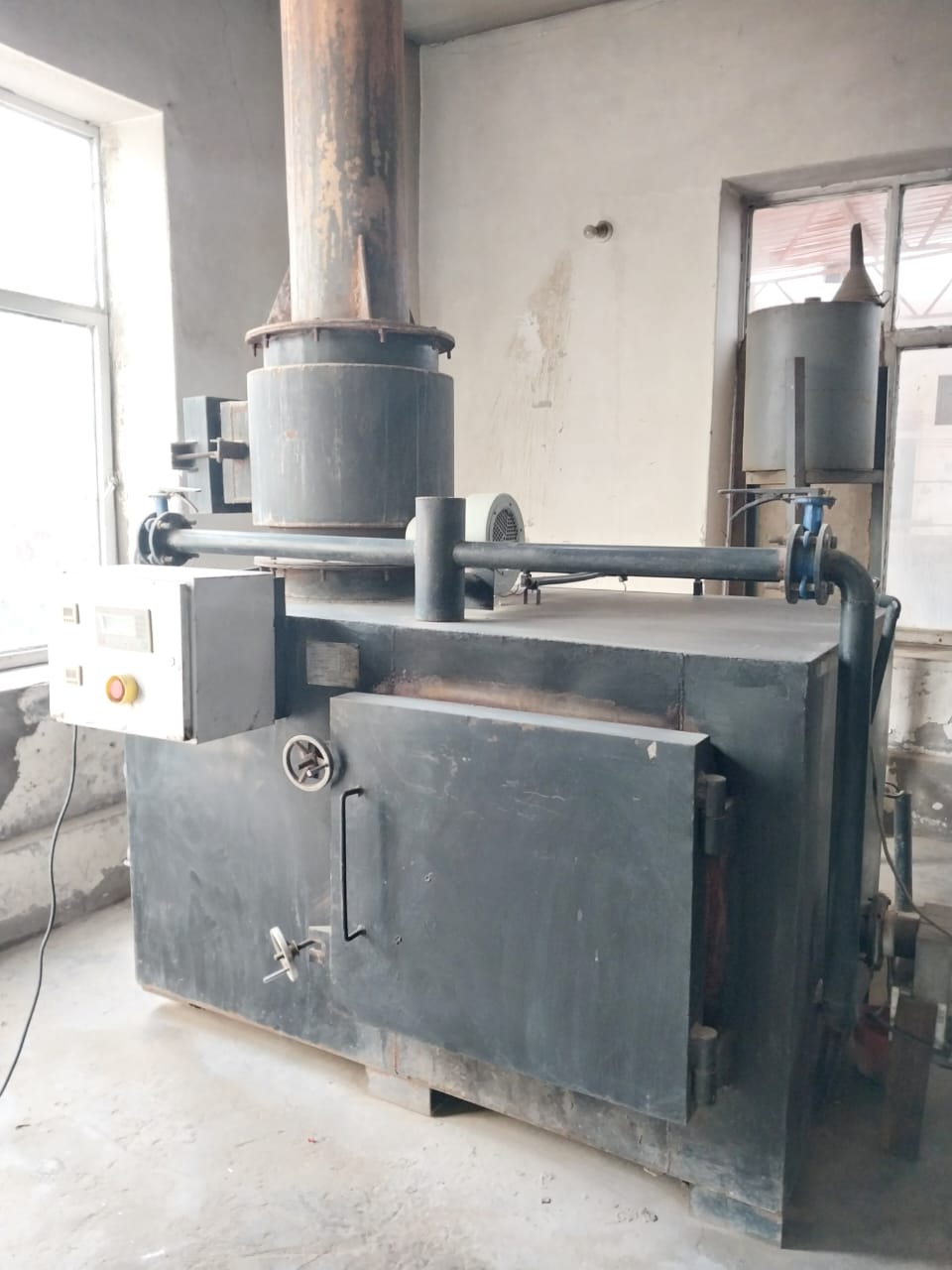
As global populations increase, the pressure on waste management systems intensifies. Hospitals, government agencies, and NGOs grapple with the dual challenge of effective waste disposal and environmental responsibility. Traditional incinerators, often costly and not easily transportable, have left many looking for alternatives. Enter the Drum Cyclonic Barrel Portable Incinerator, a game-changing solution in the realm of waste incineration equipment that combines efficiency with mobility to meet modern waste disposal needs.
The Challenge of Modern Waste Disposal

Waste generation is a pressing issue, especially in hospitals where medical waste, including sharps and biohazard materials, require immediate attention. Additionally, organizations operating in remote regions, such as military units or NGOs during disaster relief operations, find themselves with unique waste disposal challenges due to limited infrastructure. Conventional incineration methods often fail to offer a flexible solution, making the adoption of compact and efficient systems imperative.
Introducing Drum Cyclonic Barrel Portable Incinerators
The Drum Cyclonic Barrel Portable Incinerator is a cutting-edge solution designed for small-scale waste incineration. It boasts an innovative cyclonic burn technology, ensuring optimal thermal efficiency while minimizing emissions. The unit’s design allows for a dual-chamber combustion system, facilitating thorough incineration and significantly reducing harmful byproducts.
- Mobility: With a lightweight design, this incinerator can be easily transported to remote locations.
- Efficiency: The cyclonic burn ensures that waste is completely consumed, making it suitable for various waste types, including hospital and animal carcass disposal.
- Fuel flexibility: Designed to run on alternative fuels, it offers an eco-friendlier option for waste incineration.
- Compliance-ready: Built to meet international emissions standards, ensuring operators are within regulatory frameworks.
Practical Applications in the Field
To demonstrate the real-world efficacy of the Drum Cyclonic Barrel Portable Incinerator, let’s explore two scenarios where this equipment has made a significant impact.
Example 1: Emergency Response in Remote Areas
During a natural disaster, NGOs face urgent waste management dilemmas, particularly in rural areas where traditional disposal services are absent. The Drum Cyclonic Barrel Portable Incinerator becomes invaluable. For instance, after a hurricane in a remote Caribbean island, an NGO deployed this incinerator to manage both medical and household waste. Due to its mobility, they quickly set it up and used it to safely dispose of hazardous material while preventing further contamination of the environment.
Example 2: Health Care Facilities
In urban hospitals, waste segregation has become a necessity, given regulations surrounding medical waste. A leading hospital in Nairobi recently adopted the use of the Drum Cyclonic Barrel Incinerator to manage the disposal of clinical waste on-site. Its compact design allowed for installation in a small area near the hospital’s waste management facility. In doing so, they managed to lower their hauling costs by reducing the amount of waste sent to distant landfills significantly.
Environmental Compliance and Emission Standards
With an increasing focus on sustainability, compliance with environmental regulations is non-negotiable. The Drum Cyclonic Barrel Portable Incinerator is engineered to comply with stringent emissions standards such as ISO 14001, ensuring that facilities utilizing this unit adhere to best practices in waste management. The dual-chamber design aids in better combustion, leading to lower emissions of dioxins and furans, which are harmful byproducts of waste incineration processes.
Regional Reference: Compliance in Europe and Africa
Countries in Europe have set forth rigorous regulations governing waste management. For instance, the European Union imposes strict guidelines for the handling and disposal of hazardous waste, with the Drum Cyclonic Barrel Portable Incinerator being ideal for compliance in these regions. In contrast, many African nations, where waste treatment infrastructure is still developing, benefit greatly from portable incinerators that allow for responsible waste management in hospitals and rural communities.
Frequently Asked Questions
- What types of waste can be incinerated using this system?
The Drum Cyclonic Barrel Incinerator is designed to handle various waste types, including medical waste, animal carcasses, and other biohazardous materials. - How does the incinerator ensure reduced emissions?
The dual-chamber system promotes complete combustion, significantly lowering the emission of harmful pollutants. - Is the incinerator portable?
Yes, it’s lightweight, making it suitable for deployment in remote areas and emergency situations. - Does this incinerator comply with international standards?
Absolutely. It is built to meet international emissions standards, making it ideal for use in environmentally sensitive regions. - Can this system operate on alternative fuels?
Yes, it is designed to be fuel-flexible, capable of utilizing alternative energy sources for operation.
Conclusion: A Sustainable Path Forward
The emergence of the Drum Cyclonic Barrel Portable Incinerator represents a significant advancement in waste management technology. As communities face growing pressures regarding waste disposal, portable incinerators offer a robust, environmentally friendly solution tailored for diverse applications—from hospitals and military operations to disaster relief efforts. By adopting such innovative solutions, stakeholders can ensure efficient waste disposal while unflinchingly adhering to environmental standards. As this technology rises to prominence, sustainable waste management becomes not just feasible, but a reality in our ever-evolving world.