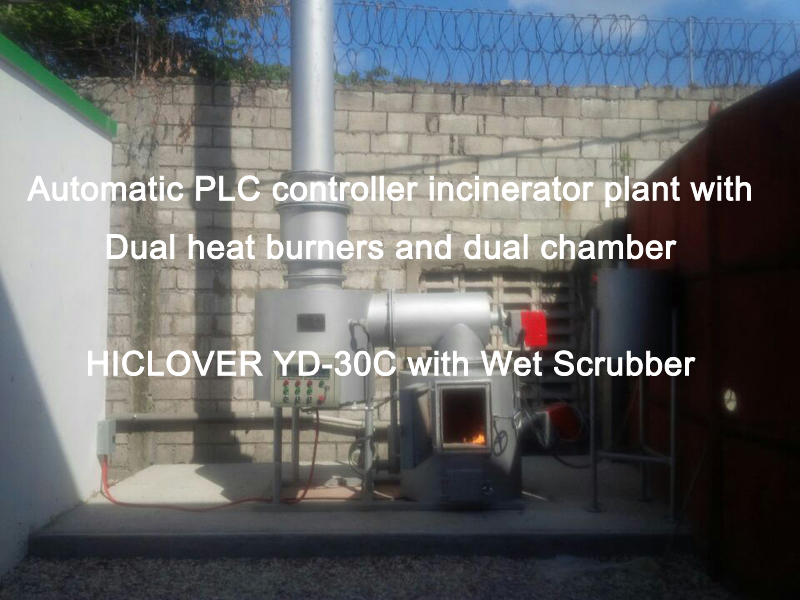
Waste management represents a significant challenge for rural areas, where traditional landfill options often lead to environmental hazards and costly regulations. As population density in urban centers continues to rise, rural areas must find effective mechanisms to handle waste without compromising air quality and environmental safety. This article delves into the complexities surrounding emissions from rural waste incinerators, particularly focusing on innovative solutions like the Drum Cyclonic Barrel Portable Incinerator.
The Context of Rural Waste Management

In many rural communities, the absence of adequate waste disposal facilities leads to the illegal burning of waste, resulting in dangerous emissions and severe health implications. Moreover, compliance with local regulations can often be lax, yet the potential for environmental liabilities and community health risks makes adherence crucial. Countries like India and Brazil have seen an upsurge of custom incineration units to address this concern, particularly for rural clinics and localized waste collection points.
Technical Insights: Drum Cyclonic Barrel Portable Incinerator
At the forefront of efficient waste management technology is the Drum Cyclonic Barrel Portable Incinerator. This equipment features a dual-chamber design that promotes complete combustion, significantly reducing harmful emissions. Its sophisticated symmetrical cyclonic burn mechanism ensures that waste undergoes optimal thermal treatment. The refractory lining of the incinerator is engineered to withstand high temperatures, enhancing durability and maximizing energy efficiency.
Configuration Features
- Mobility: Lightweight and portable, making it ideal for remote rural locations.
- Fuel System: Designed to operate efficiently with various fuels, ensuring versatility.
- Thermal Efficiency: Employs advanced combustion technology for reduced emissions and higher energy recovery.
- Emissions Control: Equipped with filtration systems that capture particulate matter and other pollutants.
Real-World Applications
The practical implications of the Drum Cyclonic Barrel Portable Incinerator are vast, especially in scenarios where access to traditional waste management solutions is limited. Here are two pertinent applications:
Scenario 1: Rural Healthcare Facilities
In regions like Sub-Saharan Africa, healthcare facilities produce a significant amount of medical waste, including syringes and pharmaceutical waste. The Drum Cyclonic Barrel Portable Incinerator can be deployed to manage this waste securely and efficiently on-site. By neutralizing hazardous materials, these incinerators protect public health and minimize the impact on local ecosystems.
Scenario 2: Emergency Disaster Response
During natural disasters, rural communities frequently face overwhelming waste disposal challenges. NGOs and government disaster-relief authorities can utilize this portable incinerator to quickly eliminate evidence of hazardous waste, including animal carcasses and other biohazard material. Its mobility allows for rapid deployment to affected areas, ensuring timely waste management and reducing the potential for disease outbreaks.
Environmental Compliance and Emissions Standards
Today’s incineration solutions are increasingly designed to meet stringent environmental regulations that govern emissions. Depending on the region, compliance with standards such as the EU’s Waste Incineration Directive or local air quality regulations is crucial. The Drum Cyclonic Barrel’s advanced emissions control technology plays a vital role in ensuring compliance with these regulations. Following the implementation of such systems, facilities in regions like the United States have reported lower levels of dioxins, furans, and particulate matter, ensuring cleaner air for surrounding populations.
Regulatory Reference: Emission Standards
| Country | Emission Standards |
|---|---|
| United States | Meets EPA standards for dioxins and particulate matter. |
| European Union | Complies with Waste Incineration Directive (WID) standards. |
| Brazil | Fulfills local environmental agency emissions regulations. |
Frequently Asked Questions
- What types of waste can be incinerated using the Drum Cyclonic Barrel Incinerator? It is designed for a variety of waste types, including medical, agricultural, and urban refuse.
- How does the incinerator ensure compliance with environmental standards? It utilizes advanced emissions control technology and is designed to meet or exceed local regulatory requirements.
- Is the Drum Cyclonic Barrel Incinerator portable? Yes, its lightweight design allows for easy mobility, making it suitable for remote areas.
- What is the thermal efficiency of the incinerator? The incinerator achieves high thermal efficiency rates due to its cyclonic burn technology.
Conclusion
As the need for effective waste management solutions grows in rural areas, the Drum Cyclonic Barrel Portable Incinerator emerges as a key player in ensuring environmental safety and compliance. Its innovative design and operational flexibility make it an ideal choice for hospitals, NGOs, and disaster-relief operators addressing the challenges of waste disposal. Adopting advanced incineration technology represents a critical step toward safeguarding public health while minimizing the ecological impact. By embracing these modern solutions, rural areas can successfully clear the air and move towards sustainable waste management practices.