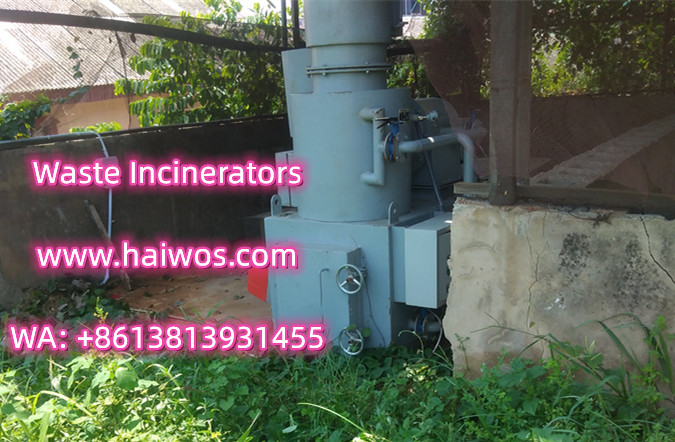
As global fish production reaches unprecedented levels, the challenge of managing fisheries waste has become increasingly pressing. Sustainable fisheries waste management is not just an environmental necessity; it’s also essential for public health and community well-being. Waste from fish processing plants, aquaculture, and bycatch can pose serious health risks if not disposed of properly. In this context, drum incinerators, particularly the Drum Cyclonic Barrel Portable Incinerator, offer innovative solutions.
Understanding Fisheries Waste Management Challenges

Fisheries waste includes a wide array of materials such as fish offal, bones, and waste from processing plants. Improper disposal can lead to foul odors, pest infestations, and even pollution of nearby water bodies. Traditional methods of disposal, such as landfilling or composting, are often not viable due to the high moisture content and protein-rich nature of fish waste. With increasing regulatory scrutiny on waste management, there is a dire need for efficient and environmentally friendly solutions.
Introducing the Drum Cyclonic Barrel Portable Incinerator
The Drum Cyclonic Barrel Portable Incinerator tackles these challenges head-on. This innovative piece of waste incineration equipment boasts several key features:
- Cyclonic Burn Chamber: Utilizes a unique design to create a high-velocity, turbulent flame, ensuring complete combustion and minimal emissions.
- Mobility: Portable design enables easy transport to remote locations, allowing for effective waste management in areas where infrastructure may be lacking.
- Dual Chamber System: Enhances thermal efficiency by promoting secondary combustion of particulates and gases, ensuring that smoke emissions meet stringent environmental standards.
- Robust Fuel System: Capable of burning a wide range of materials, making it ideal for diverse waste streams.
- Refractory Lining: Provides superior insulation, allowing for higher efficiency and durability under prolonged use.
Field Scenarios: Practical Applications
To illustrate the effectiveness of the Drum Cyclonic Barrel Portable Incinerator, let’s consider two scenarios:
1. Rural Aquaculture Operations
In regions like Myanmar, where rural communities engage in fish farming, proper waste management becomes critical. Many farmers find it challenging to dispose of fish heads and guts. By using the Drum Cyclonic Barrel, these farmers can incinerate waste on-site, significantly reducing odorous emissions and attracting fewer pests while adhering to local environmental regulations.
2. Disaster Relief Operations
During humanitarian missions, such as those undertaken by NGOs in areas affected by natural disasters in the Caribbean, managing biohazardous waste is crucial. The portability of the Drum Cyclonic Barrel allows NGO operators to efficiently incinerate waste from deceased animals and spoiled food, minimizing health risks in disaster-stricken areas. The quick setup and high adaptability of this incinerator make it an indispensable tool for emergency responders.
Environmental Compliance and Emission Standards
Modern waste management solutions must comply with increasingly strict environmental regulations. The Drum Cyclonic Barrel Portable Incinerator meets the emissions standards set by many national and international bodies, including:
- United States Environmental Protection Agency (EPA)
- European Union Waste Incineration Directive
These standards focus on reducing harmful emissions, including dioxins, furans, and particulate matter. The dual-chamber design of this incinerator ensures that gases undergo complete combustion, resulting in significantly reduced emissions compared to traditional incinerators.
Comparison: Drum Cyclonic Barrel vs. Traditional Incinerators
| Feature | Drum Cyclonic Barrel | Traditional Incinerator |
|---|---|---|
| Mobility | Highly portable | Fixed installation required |
| Burn Efficiency | High due to cyclonic design | Generally lower |
| Emissions Control | Meets strict standards | Often fails to meet regulatory requirements |
| Initial Cost | Economical for small-scale operations | Higher upfront investment |
FAQs About Drum Incinerators
What types of waste can the Drum Cyclonic Barrel Portable Incinerator process?
The incinerator effectively manages fish waste, animal carcasses, and other organic materials, making it suitable for various applications.
Is it easy to transport the incinerator to remote locations?
Yes, its portable design ensures that it can be easily transported and set up in various environments, including rural and disaster-stricken areas.
What regulatory standards does this incinerator comply with?
The Drum Cyclonic Barrel incinerator meets stringent emissions and waste management standards set by authorities, including the EPA and EU directives.
Can it operate in various weather conditions?
Yes, the robust construction of the incinerator allows it to operate effectively in different weather conditions, making it ideal for diverse geographical locations.
How does the incinerator ensure low emissions?
The dual-chamber system allows for complete combustion of waste materials, reducing harmful emissions significantly compared to traditional models.
Conclusion
In an era where waste management has a profound impact on sustainability and public health, the Drum Cyclonic Barrel Portable Incinerator emerges as a game-changing solution for fisheries waste management. Its mobility, efficiency, and compliance with environmental standards make it an essential tool for hospitals, NGOs, and government agencies worldwide. By investing in this technology, organizations can navigate the complexities of waste disposal while contributing to a healthier planet.