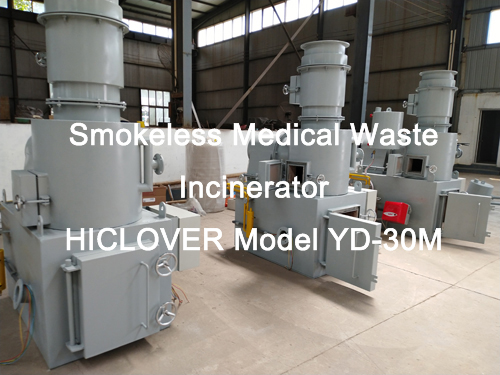
As urban centers across the globe grapple with an escalating waste management crisis, Ghana stands out for its proactive approach to combatting waste overflow through the introduction of temporary incineration systems. At the forefront of this initiative is the Drum Cyclonic Barrel Portable Incinerator, a cutting-edge solution designed to effectively dismantle the overwhelming amounts of waste generated in cities like Accra and Kumasi. This article delves into the significance of waste incineration equipment, focusing on its role in addressing the pressing garbage challenges faced by Ghana and similar developing regions.
The Urgent Need for Effective Waste Management in Ghana

Ghana generates an estimated 1.9 million tons of waste annually, with cities facing substantial challenges in managing increasing waste volumes. Conventional landfilling methods are becoming unfeasible, leading to unsightly trash overflow and hazardous environmental conditions. Growing urban populations, inadequate infrastructure, and lack of public awareness intensify these challenges. In response, the Ghanaian government has embarked on a mission to deploy temporary incineration systems, spotlighting efficiency and adaptability in waste management strategies.
Technical Excellence of the Drum Cyclonic Barrel Portable Incinerator
The Drum Cyclonic Barrel Portable Incinerator sets itself apart from traditional incineration methods with its innovative design. This portable unit features:
- Dual Chamber System: Enhances combustion efficiency by promoting complete burning of waste materials.
- Cyclonic Burn Technology: Utilizes a cyclonic airflow setup, ensuring optimal thermal distribution and reduced emissions.
- Refractory Lining: Protects the structure from the high temperatures associated with waste incineration, prolonging service life.
- Mobility: Designed for easy transport, facilitating rapid deployment in emergency scenarios, remote locations, and disaster sites.
- Fuel Flexibility: Compatible with a variety of fuel sources to accommodate diverse operation settings.
By integrating these advanced features, the Drum Cyclonic Barrel Portable Incinerator not only addresses the immediate waste disposal needs but also aligns with broader sustainability goals.
Real-World Applications of Portable Incinerators
In practical field scenarios, this incinerator has been effectively utilized in various settings:
1. Hospital Waste Management
Hospitals contribute significantly to waste generation, including hazardous materials like contaminated sharps and biohazard waste. For instance, a hospital in Accra has adopted the Drum Cyclonic Barrel Portable Incinerator to ensure safe, efficient disposal of medical waste. This not only protects public health but also complies with health regulations by minimizing exposure risks.
2. Disaster Relief Operations
During emergencies or natural disasters, such as the recent flooding in Ghana, rapid waste disposal becomes imperative. NGO teams deployed to affected areas utilize portable incinerators to manage debris, contaminated materials, and other waste, preventing further health risks in impacted communities. Their portability allows for quick establishment in temporary camps, showcasing their vital role in relief efforts.
Environmental Compliance and Emission Standards
In the face of increased scrutiny on air quality and environmental protection, the Drum Cyclonic Barrel Portable Incinerator adheres to stringent emissions standards. This equipment effectively reduces toxic emissions, ensuring compliance with local and international environmental regulations. Ghana’s introduction of this technology is paving the way for sustainable waste management while addressing public health concerns. The units are designed with advanced filtration systems that capture harmful particulates and substances before being released into the atmosphere.
Comparison of Incineration Options
| Feature | Drum Cyclonic Barrel Portable Incinerator | Traditional Incinerator |
|---|---|---|
| Mobility | Highly portable | Fixed location |
| Emissions Control | Advanced filtration | Basic controls |
| Fuel Options | Diverse | Limited |
| Operational Efficiency | Optimized with dual chamber | Less efficient |
Frequently Asked Questions
- What types of waste can the Drum Cyclonic Barrel Portable Incinerator handle?
It can incinerate medical waste, plastics, food waste, and other combustible materials.
- How does this incinerator comply with environmental regulations?
Its advanced emissions control technology meets stringent local and international standards.
- Is it suitable for rural areas with limited infrastructure?
Absolutely! Its portability features allow easy setup in remote locations.
- What makes it different from traditional incinerators?
The combination of dual chambers, mobility, and superior emissions control sets it apart.
- Can NGOs utilize this incinerator during humanitarian efforts?
Yes, it is designed for rapid deployment in emergency response scenarios, making it an ideal choice for NGOs.
Conclusion
The implementation of temporary incineration systems, particularly the Drum Cyclonic Barrel Portable Incinerator, symbolizes a vital step forward in Ghana’s waste management strategy. By embracing this advanced technology, Ghana not only addresses its waste crisis but also serves as a model for other countries facing similar challenges. As the global waste problem intensifies, innovations like these will be crucial for ensuring healthier, cleaner, and more sustainable environments.