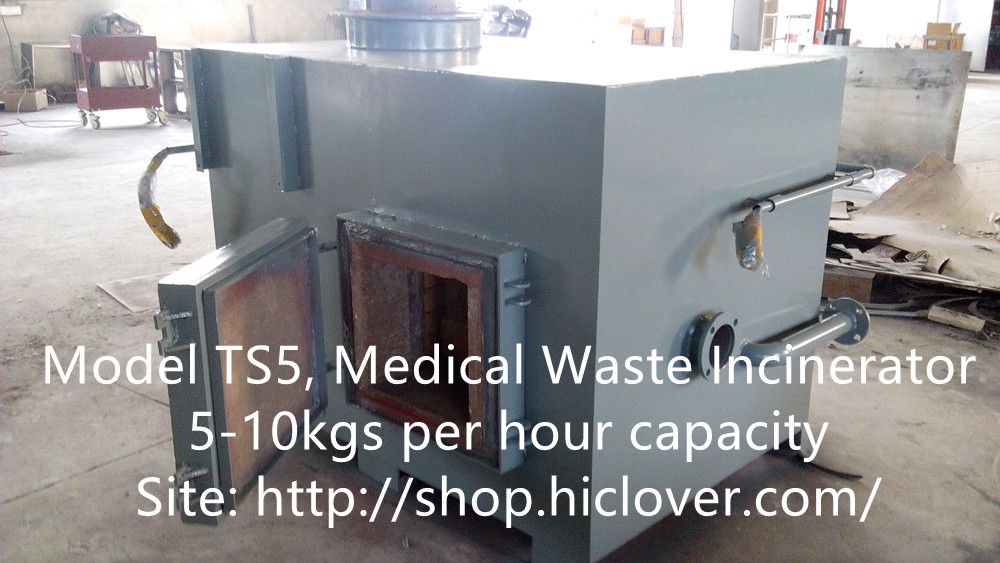
Addressing Waste Management Challenges in Public Markets
As urban environments grow and populations increase, the challenge of waste management becomes ever more pressing. Public markets, which gather significant amounts of organic and non-organic waste daily, need effective solutions to ensure sustainability and compliance with evolving regulations. Traditional waste disposal methods often fall short when it comes to efficiency and environmental responsibility. This is where specialized incinerators, such as the **Drum Cyclonic Barrel Portable Incinerator**, come into play. These advanced systems not only reduce waste volume dramatically but also minimize harmful emissions, aligning with public health and environmental standards.

Drum Cyclonic Barrel Portable Incinerator: A Technical Overview
The **Drum Cyclonic Barrel Portable Incinerator** is designed with advanced features for higher thermal efficiency and reduced environmental footprint. Key components include:
- Dual Chamber Design: This configuration ensures primary and secondary burn processes, allowing for complete combustion of waste and significant reduction in residual ash.
- Cyclonic Burn Mechanism: The innovative airflow system enhances the combustion process, ensuring all materials are incinerated—regardless of moisture levels or composition.
- Refractory Lining: The lining maximizes thermal efficiency and protects the structure from extreme heat.
- Mobility: The portable nature of the unit makes it ideal for emergency situations and remote rural areas.
With state-of-the-art emission control technology, this incinerator meets international environmental compliance standards, positioning it as a viable option for various sectors, from healthcare to disaster response.
Real-World Applications of Portable Incinerators
Field Scenario 1: Emergency Response in Remote Areas
In disaster relief operations, timely waste disposal is crucial. The Drum Cyclonic Barrel Portable Incinerator has been deployed effectively in numerous situations, such as earthquake response zones in Nepal, where waste management facilities are often destroyed or nonexistent. By using these incinerators, emergency teams efficiently dispose of hazardous materials, medical waste, and contaminated debris, preventing the spread of disease while improving sanitation in temporary shelters.
Field Scenario 2: Hospital Waste Management
Hospitals generate a significant volume of waste, including biohazardous materials that must be destroyed to protect public health. A clinic in Tanzania recently integrated the Drum Cyclonic Barrel incinerator into its waste management protocol. This not only allowed for the immediate and safe disposal of infectious materials but also assisted in complying with local and international regulations governing hazardous waste. The portability of the unit enabled the clinic to manage its waste on-site without relying on external services.
Environmental Compliance and Emissions Standards
As environmental regulations tighten globally, compliance becomes non-negotiable for public entities. The Drum Cyclonic Barrel Portable Incinerator is engineered to meet stringent emissions standards set by organizations such as the Environmental Protection Agency (EPA) in the United States and the European Union Waste Incineration Directive. Key compliance features include:
- Low NOx and CO emissions due to optimized combustion control.
- Effective particulate matter (PM) capture technologies that significantly minimize smoke.
- Certification for safe handling of medical waste and other hazardous materials.
This certification not only helps to mitigate environmental impact but also enhances public trust in waste management practices.
Regulatory Landscape: Understanding Local Requirements
In various regions, regulations governing waste incineration are increasingly becoming robust. For instance:
- United States: The EPA mandates rigorous standards for emissions from waste incinerators.
- European Union: Compliance with the Waste Incineration Directive ensures that incineration plants meet strict emission controls.
- Africa: Many countries are adopting new waste management regulations that include incineration as an acceptable method for hazardous waste elimination, provided proper technology and oversight are in place.
By leveraging advanced technologies like the Drum Cyclonic Barrel Portable Incinerator, organizations can not only meet these challenges but exceed standards set forth by regulatory bodies.
FAQs: Understanding Portable Incinerators
1. What types of waste can be incinerated using a portable incinerator?
Portable incinerators are effective for a wide variety of waste types, including hospital waste, animal carcasses, and disaster debris.
2. How do portable incinerators help in emergency disaster relief?
The mobility and efficiency of portable incinerators enable rapid waste disposal in crisis situations, significantly reducing the potential for health hazards.
3. Are emissions from portable incinerators harmful?
When operated according to manufacturer guidelines and regulations, modern portable incinerators like the Drum Cyclonic Barrel minimize harmful emissions, making them safe and compliant with environmental standards.
4. How is the efficiency of waste incineration measured?
Efficiency is typically measured by the combustion temperature, duration of burn, and the reduction in ash waste, with a focus on achieving high thermal efficiency.
5. Can portable incinerators be used in urban settings?
Yes, as long as they are compliant with local emission regulations, portable incinerators can serve urban markets effectively while supporting waste management initiatives.
Conclusion: A Path Towards Sustainable Waste Management
The implementation of specialized incinerators, such as the Drum Cyclonic Barrel Portable Incinerator, represents a crucial advancement in sustainable waste management. By addressing the unique challenges faced by public markets, these incinerators offer a reliable solution that aligns with environmental regulations and enhances public health. As urban centers continue to grow, embracing these technologies can pave the way for cleaner, more sustainable communities.