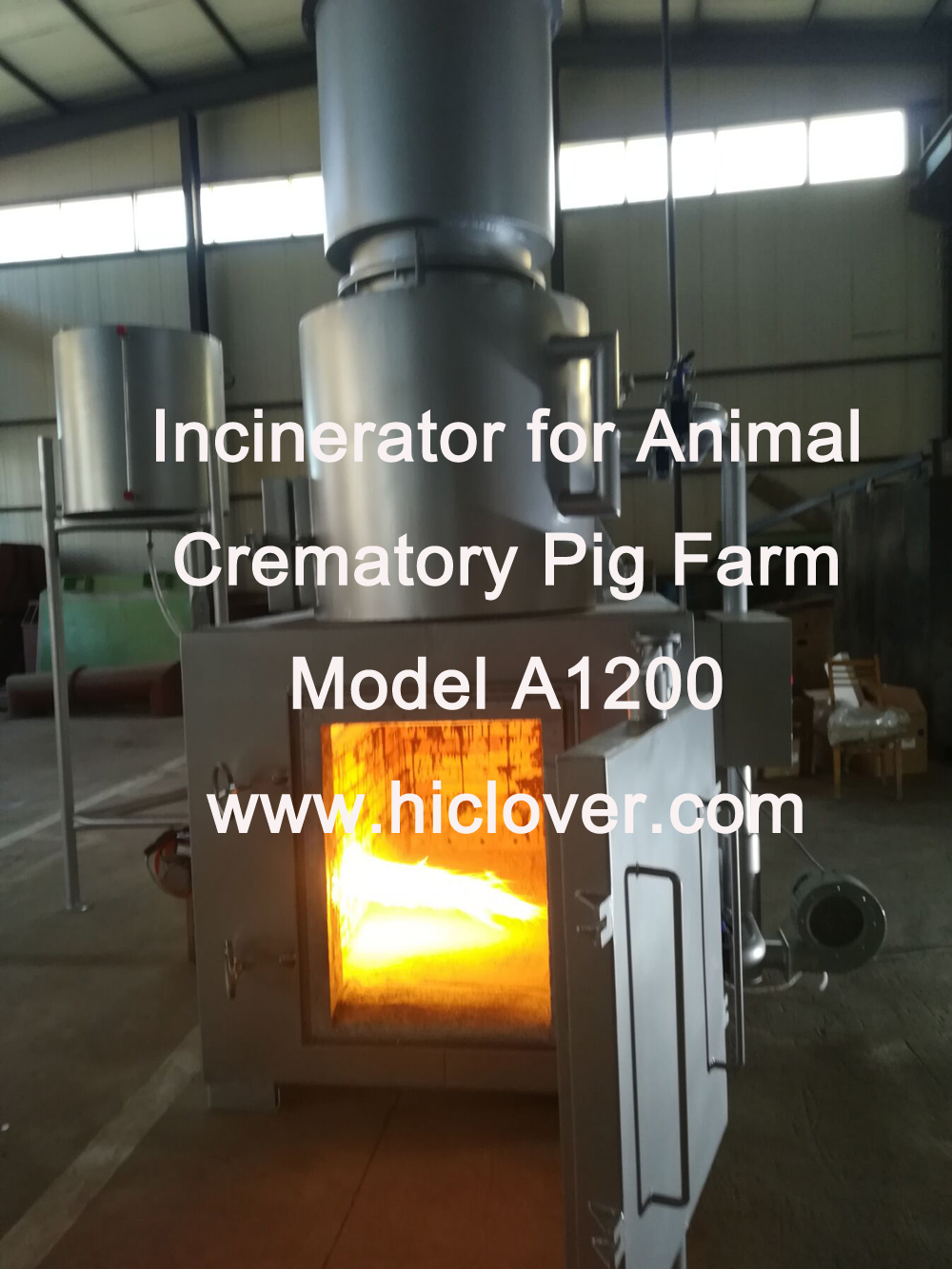
The ever-increasing volume of waste generated worldwide presents significant challenges to both urban and rural areas. As cities expand and populations grow, traditional waste management solutions are quickly becoming insufficient. This complex issue not only burdens waste management systems but also has severe environmental implications. One innovative and effective solution is biological waste incineration, specifically through advanced equipment like the Drum Cyclonic Barrel Portable Incinerator. This article delves into its benefits, applications, and compliance with environmental standards.
Understanding Biological Waste Incineration

Biological waste incineration is a thermal process that reduces the volume of waste by converting it into heat, gas, and residual ash. This method is vital for managing hazardous waste, including medical refuse or organic matter, and offers significant advantages over traditional disposal methods. The Drum Cyclonic Barrel Portable Incinerator is designed specifically for efficiency and mobility, making it an ideal choice for both urban centers and remote locations.
Technical Configuration of the Drum Cyclonic Barrel Portable Incinerator
The Drum Cyclonic Barrel Portable Incinerator is equipped with several advanced features that enhance its operational efficiency:
- Dual Chamber Design: This allows for complete combustion, minimizing unburned residues and improving thermal efficiency.
- Cyclonic Burn Technology: This design promotes improved air mixing, leading to higher temperatures and reduced emissions.
- Heavy-duty Refractory Lining: This lining ensures longevity by protecting the unit from thermal damage.
- Portable Mobility: Designed for easy transport, it is ideal for field operations in varied locations.
- Compliant Fuel System: This ensures optimal fuel use, leading to reduced environmental impact.
Field Applications: Real-World Scenarios
The versatility and effectiveness of the Drum Cyclonic Barrel Portable Incinerator make it applicable in a variety of scenarios:
1. Emergency Response Disasters
In the aftermath of natural disasters, waste management becomes a pressing concern. Readily deployable incineration units can serve to manage waste from destruction efficiently, ensuring that it does not become a health hazard. For instance, an NGO responding to a flood disaster set up mobile incinerators in affected communities to dispose of contaminated materials such as plastics and organic waste.
2. Hospital Waste Management
Hospitals generate a significant amount of biohazardous waste, including syringes and medical devices. In rural areas with limited access to modern waste facilities, the Drum Cyclonic Barrel Portable Incinerator proves invaluable. A hospital in a remote region of Africa utilized this technology to safely incinerate its hazardous medical waste on-site, thus protecting public health and the environment.
Compliance with Environmental Standards
With increasing environmental awareness, compliance with emissions standards is critical for waste disposal methods. The Drum Cyclonic Barrel Portable Incinerator meets various international guidelines concerning emissions control, including:
- Particulate Matter (PM) emissions
- Carbon Monoxide (CO) levels
- Nitrous Oxides (NOx) regulations
These compliance measures are especially important for organizations with stringent governmental oversight, such as hospitals, government agencies, and NGOs involved in international operations.
Benefits Over Traditional Incinerators
The Drum Cyclonic Barrel Portable Incinerator offers numerous advantages compared to traditional incineration methods:
- Enhanced thermal efficiency through cyclonic burn technology.
- Lower emissions due to dual-chamber design.
- Portability that allows for deployment in various environments and emergencies.
- Capacity to handle diverse waste types, including hospital waste and contaminated organic material.
This unique offering positions the unit as a preferable choice for organizations requiring effective waste management without compromising environmental integrity.
Frequently Asked Questions
What are the key features of the Drum Cyclonic Barrel Portable Incinerator?
The key features include a dual chamber design, cyclonic burn technology, portable mobility, and a heavy-duty refractory lining, all contributing to its efficiency and compliance with emissions standards.
Why is biological waste incineration vital for hospitals?
Biological waste incineration is critical for hospitals to ensure the safe disposal of hazardous medical waste, protecting community health and the environment from contamination.
How does the incinerator ensure compliance with emissions regulations?
The incinerator incorporates advanced combustion techniques and design features that minimize emissions of harmful substances, ensuring it adheres to international regulatory standards.
Where can the Drum Cyclonic Barrel Portable Incinerator be used?
This portable incinerator is suitable for various applications, including military operations, disaster relief zones, border facilities for customs evidence destruction, and difficult-to-reach rural areas.
Can the incinerator handle multiple waste types?
Yes, it is designed to effectively manage various waste types, including hospital refuse, organic waste, and even animal carcasses.
Conclusion
As the challenges of waste disposal continue to evolve, the necessity for innovative solutions like the Drum Cyclonic Barrel Portable Incinerator becomes increasingly clear. Its advanced technology ensures efficient, compliant, and effective waste management across a wide range of applications, from hospitals to emergency response operations. As organizations strive to meet both operational and environmental goals, investing in such equipment not only addresses immediate waste challenges but also contributes to a Sustainable Future.