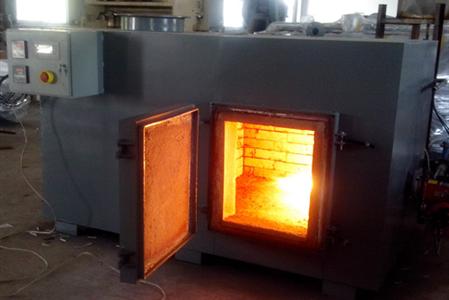
The Growing Need for Effective Waste Management Solutions
As urban populations soar and industrial activities expand, nations around the globe face a critical dilemma: how to manage escalating volumes of waste sustainably. Traditional landfilling methods are quickly becoming obsolete due to environmental concerns, leading to increased investment in waste incineration technologies. In this context, advanced solutions like the Drum Cyclonic Barrel Portable Incinerator are gaining prominence for their innovation and adaptability.

The Mechanics of Modern Incineration Equipment
The Drum Cyclonic Barrel Portable Incinerator is engineered to provide thermal efficiency while ensuring minimal environmental impact. Key features include:
- Cyclonic Burn Technology: Enhances combustion efficiency by ensuring that air mixes thoroughly with the waste materials.
- Dual Chamber Design: Separates primary combustion from secondary burnout, optimizing the reduction of harmful emissions.
- Mobility: Ideal for temporary installations or remote operation, making them versatile for varied applications including emergency response.
- Refractory Lining: Protects the exterior while withstanding high temperatures, contributing to the durability and longevity of the incinerator.
- Flexible Fuel System: Accommodates a variety of waste types, integrating effectively with different waste treatment protocols.
Practical Applications in Diverse Contexts
Several countries are leading the way in integrating advanced incineration solutions into their waste management frameworks. Here are two illustrative field scenarios:
Scenario 1: Hospital Waste Management in Japan
In Japan, hospitals generate considerable amounts of hazardous waste, necessitating stringent management and disposal methods. The Drum Cyclonic Barrel Portable Incinerator has been successfully deployed in rural health facilities where access to traditional waste management systems is limited. Its capacity to handle medical waste—such as sharps and infectious materials—ensures compliance with Japan’s rigorous health regulations, reducing the risk of infection and contamination.
Scenario 2: Emergency Response in Disaster Relief Operations
During natural disasters, the demand for immediate waste disposal becomes critical. NGOs and government agencies have utilized portable incinerators in field operations to manage debris and hazardous materials swiftly. For example, after the 2020 earthquake in Turkey, portable incinerators were employed to eliminate waste from damaged structures in remote areas where conventional waste collection systems were rendered unusable.
Environmental Compliance and Emissions Standards
Adhering to emission standards is crucial for any waste management technology. The Drum Cyclonic Barrel Portable Incinerator is compliant with various international regulations, including:
- European Waste Incineration Directive: Sets stringent limits on harmful emissions.
- U.S. Environmental Protection Agency (EPA): Effective strategies for controlling toxic air pollutants.
By ensuring that toxic gases and particulates are minimized, this equipment not only meets legal requirements but also contributes positively to local air quality, thus addressing concerns from community stakeholders.
Regional Insights: Waste Management Innovations Around the World
Different regions are adopting innovative waste incineration technologies to address unique challenges:
- San Francisco, USA: The city integrates waste-to-energy solutions with a focus on sustainability.
- Sweden: Known for its advanced waste management systems, which include efficient incineration plants that recover energy and reduce landfill use.
- India: Growing interest in portable incinerators for handling medical and municipal waste in remote areas.
Comparative Assessment of Incinerator Options
| Feature | Drum Cyclonic Barrel Portable Incinerator | Traditional Incinerators |
|---|---|---|
| Mobility | High | Low |
| Emission Control | Advanced | Standard |
| Fuel Flexibility | Versatile | Narrow |
| Ideal Use | Remote locations, emergency settings | Permanent installations |
FAQs about Drum Cyclonic Barrel Portable Incinerators
- What types of waste can the Drum Cyclonic Barrel Portable Incinerator handle? This incinerator can effectively dispose of medical waste, animal carcasses, and municipal waste.
- How do emissions compare to traditional incinerators? The portable incinerator features enhanced emissions control technology, resulting in lower toxic outputs than conventional systems.
- Is the incinerator suitable for outdoor use? Yes, its design is optimized for outdoor environments, making it ideal for disaster relief and remote waste management operations.
- What are the maintenance requirements? Regular monitoring and occasional servicing are recommended to maintain optimal performance and efficiency.
- Can the incinerator be integrated with renewable energy systems? Yes, its flexible fuel system allows for integration with various energy sources, enhancing sustainability.
Conclusion
The shifting landscape of waste management demands innovative solutions that are both effective and environmentally conscious. The Drum Cyclonic Barrel Portable Incinerator stands out as a leading choice for diverse applications, from hospital waste disposal to emergency responses in remote areas. By learning from successful implementations around the globe, stakeholders can make informed decisions, driving progress in sustainable waste management practices.