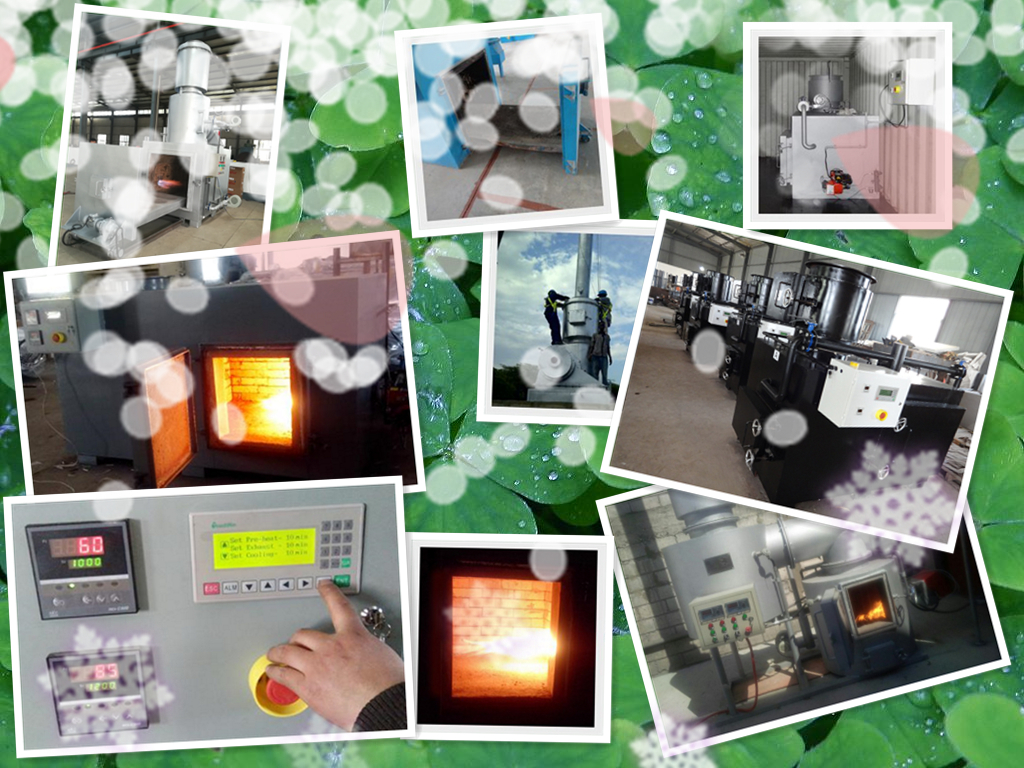
In an era where healthcare has made tremendous advancements, managing medical waste remains a significant challenge. With a burgeoning volume of hazardous materials generated daily, hospitals, clinics, and care facilities need efficient waste management solutions. Traditional disposal methods, such as landfilling and open burning, pose substantial risks to public health and the environment. This need for effective waste management has given rise to innovative technologies, particularly in the form of hospital incinerators like the Drum Cyclonic Barrel Portable Incinerator.
The Rise of Incineration in Healthcare

Medical waste, especially in hospitals, encompasses a range of materials—from used syringes to contaminated surgical equipment. Each category presents unique disposal challenges that require compliance with stringent regulatory standards. Drum Cyclonic Barrel Portable Incinerators stand out as a versatile solution, addressing not just the risk of pathogens in medical waste but also the environmental impact of disposal methods. They provide a controlled, high-temperature burn that reduces waste volume significantly and ensures safe incineration of hazardous materials.
Technical Features of Drum Cyclonic Barrel Portable Incinerators
The Drum Cyclonic Barrel Portable Incinerator is designed with cutting-edge technology to optimize both thermal efficiency and emissions control. Here are some of its defining features:
- Dual Chamber Design: This technology ensures complete combustion by allowing primary and secondary combustion chambers, enhancing thermal efficiency.
- Cyclonic Burn Technology: This feature enables the incinerator to achieve a high combustion rate, minimizing unburned materials and smoke emissions.
- Mobility: Portable systems facilitate use in remote areas, making it ideal for disaster response or mobile field hospitals.
- Fuel System: It is adaptable to various fuel types, providing flexibility according to local resource availability.
- Refractory Lining: Durable and heat-resistant linings contribute to the longevity of the incinerator, reducing maintenance costs in the long run.
Real-World Applications: Field Examples
1. Emergency Response Operations
In emergencies, such as natural disasters or public health crises, mobile hospital units are often set up to provide immediate care. These units generate significant medical waste in a short time. For instance, during the 2020 pandemic, portable incinerators were employed in temporary medical facilities to manage hazardous waste effectively. The Drum Cyclonic Barrel Portable Incinerator facilitated the safe disposal of biohazard materials on-site, minimizing infection risks and adhering to local regulations.
2. Rural Healthcare Facilities
In remote and rural areas, accessing traditional waste management facilities can be challenging. The integration of Drum Cyclonic Barrel Portable Incinerators has enabled clinics to manage their waste on-site safely. For example, clinics in rural India have utilized these incinerators to handle medical waste without relying on centralized systems. This approach not only reduces waste volume but also enhances community health safety while minimizing transportation logistics.
Environmental Compliance and Emission Standards
Globally, environmental compliance is a pivotal aspect of waste management. Regulations such as the U.S. Clean Air Act and the EU Waste Framework Directive impose stringent emissions standards on incineration facilities to minimize their ecological footprint. The advanced design of the Drum Cyclonic Barrel Portable Incinerator aligns with these regulations by ensuring low emissions of particulate matter and harmful gases. The effective combustion process significantly reduces the environmental impact, making it a suitable choice for eco-conscious operations.
| Feature | Traditional Incinerators | Drum Cyclonic Barrel Portable Incinerators |
|---|---|---|
| Mobility | No | Yes |
| Combustion Efficiency | Moderate | High |
| Compliance with Emission Standards | Often lacking | Meets/exceeds |
| Fuel Flexibility | Limited | Highly adaptable |
FAQs
- What types of waste can be incinerated using a Drum Cyclonic Barrel Portable Incinerator?
- These incinerators are designed to handle a broad range of medical waste, including pathological waste, contaminated sharps, and general hospital refuse.
- How does incineration affect the volume of medical waste?
- Incineration significantly reduces the volume of waste, often by up to 90%, transforming it into a small amount of ash that can be disposed of safely.
- Are Drum Cyclonic Barrel Portable Incinerators compliant with environmental regulations?
- Yes, these incinerators are designed to comply with international emissions standards, ensuring minimal environmental impact during operation.
- Can these incinerators be used in remote areas?
- Absolutely! Their portability and self-contained design make them ideal for remote locations, such as field hospitals and disaster zones.
- How do I maintain a Drum Cyclonic Barrel Portable Incinerator?
- Regular inspections, cleaning of the combustion chamber, and monitoring of fuel systems are essential to ensure optimal performance and compliance.
Conclusion
The proliferation of hospital incinerators like the Drum Cyclonic Barrel Portable Incinerator is reshaping how medical waste is managed across various settings. The combination of mobility, efficiency, and environmental compliance makes these systems invaluable, particularly in rural healthcare systems, emergency response scenarios, and military deployments. As healthcare facilities continue to seek sustainable solutions for their waste management challenges, advanced incineration technologies will undoubtedly play a pivotal role in safeguarding public health and the environment.