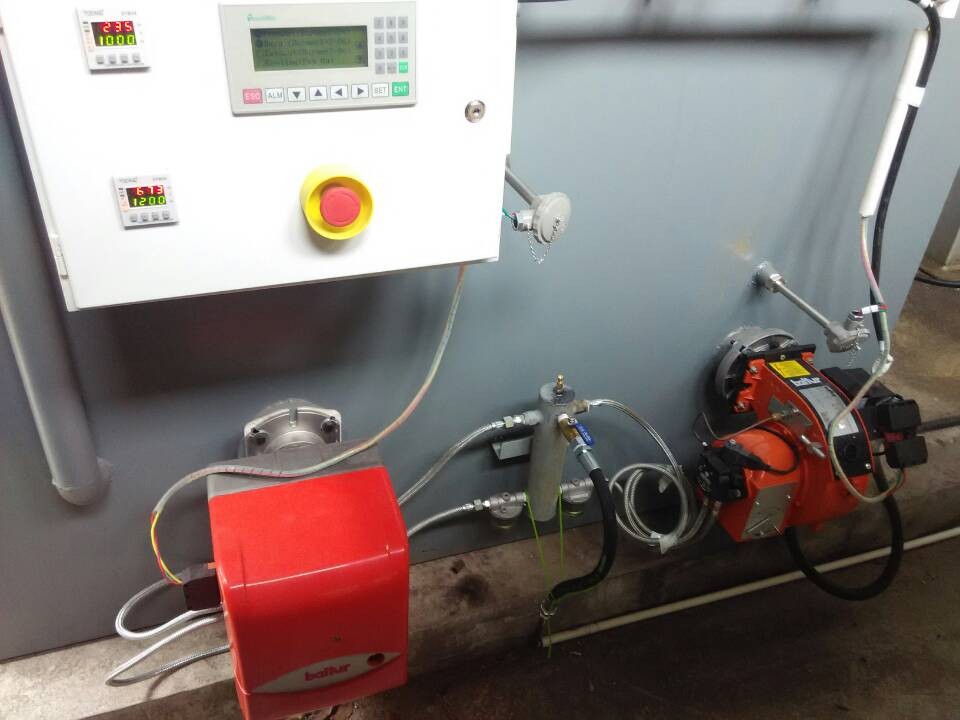
Waste management remains a pressing issue in Uganda, especially in underserved urban centers like Kampala and rural areas. As waste continues to pile up, innovative solutions are essential to address both the environmental and health hazards posed by improper disposal methods. Among these solutions, drum incinerators, notably the Drum Cyclonic Barrel Portable Incinerator, have emerged as a viable technology to reduce waste while adhering to environmental compliance standards.
The Waste Management Challenge in Uganda

Uganda faces significant waste management challenges due to rapid urbanization, rising populations, and inadequate waste disposal infrastructure. Hospitals and community health centers generate substantial waste, including hazardous materials like medical waste, that must be managed effectively to prevent health risks and environmental pollution. Additionally, waste collection services are sporadic in numerous regions, necessitating alternative disposal methods that are both efficient and environmentally friendly.
Introducing Drum Cyclonic Barrel Portable Incinerator
The Drum Cyclonic Barrel Portable Incinerator is designed to address these challenges with several key features:
- Mobility: Its portable design allows for easy transportation to remote locations, making it ideal for emergency response deployments.
- Dual Chamber System: This feature enhances the combustion process, ensuring efficient waste reduction and minimizing emissions.
- Heat Recovery: The design incorporates a cyclonic burn mechanism that optimizes thermal efficiency, allowing for rapid waste incineration.
Unlike traditional incinerators, which often produce substantial emissions and have limited mobility, the Drum Cyclonic Barrel not only restricts harmful particulates but also transforms waste into ash and gases safely.
Field Scenarios: Practical Applications
Case Study 1: Hospital Waste Management in Kampala
A community hospital in Kampala faced daily challenges related to the disposal of infectious medical waste. The introduction of the Drum Cyclonic Barrel Portable Incinerator allowed staff to implement a daily incineration routine that reduced waste accumulation significantly. The hospital reported a 90% reduction in waste volume, leading to improved hygiene and reduced risk of disease transmission.
Case Study 2: Emergency Response in Remote Areas
During a humanitarian disaster response, NGOs often work in remote regions with limited infrastructure. The Drum Cyclonic Barrel Portable Incinerator was deployed to incinerate waste from temporary camps. This incinerator not only facilitated the safe disposal of food remains and packaging but also the destruction of potentially hazardous materials, thus protecting the environment and camp inhabitants.
Environmental Compliance and Emissions Standards
Complying with environmental regulations is crucial when deploying incineration technology. The Drum Cyclonic Barrel Portable Incinerator complies with existing emissions standards, adhering to limits set forth by local and international regulations. Its dual-chamber design ensures that any hazardous emissions are effectively managed, resulting in lower concentrations of toxins released into the atmosphere. For instance, the reduction of dioxins and other harmful substances is achieved through advanced combustion techniques, setting a new standard for mobile waste incineration in Uganda.
Comparison of Incineration Technologies
When considering waste incineration options, it’s important to evaluate their effectiveness. Below is a comparison of traditional incinerators versus the Drum Cyclonic Barrel Portable Incinerator:
| Feature | Traditional Incinerators | Drum Cyclonic Barrel Incinerator |
|---|---|---|
| Mobility | Static | Portable |
| Emissions Control | Limited | Advanced |
| Thermal Efficiency | Moderate | High |
| Compliance with Standards | Varies | Certified |
Frequently Asked Questions
What types of waste can the Drum Cyclonic Barrel Portable Incinerator handle?
This incinerator is designed to manage a wide range of waste types, including medical waste, food waste, animal carcasses, and miscellaneous hazardous materials.
How environmentally friendly is the Drum Cyclonic Barrel compared to traditional options?
It features advanced emissions control mechanisms that significantly reduce harmful outputs, ensuring adherence to strict environmental standards.
Is the Drum Cyclonic Barrel Portable Incinerator suitable for rural areas in Uganda?
Yes, its portability and efficiency make it an excellent choice for rural areas with limited waste management infrastructures.
Can the incinerator be deployed in disaster relief operations?
Absolutely. Its lightweight and portable design makes it ideal for immediate waste disposal needs in emergency situations.
What is the expected lifespan of the incinerator?
With proper maintenance, the Drum Cyclonic Barrel Portable Incinerator can last several years, providing reliable waste management solutions in various settings.
Conclusion
The adoption of innovative waste management solutions like the Drum Cyclonic Barrel Portable Incinerator is crucial for Uganda’s future. By addressing the myriad challenges of waste disposal, this technology not only protects public health but also safeguards the environment. As Uganda continues to develop, embracing such innovations will pave the way for a cleaner, sustainable future.