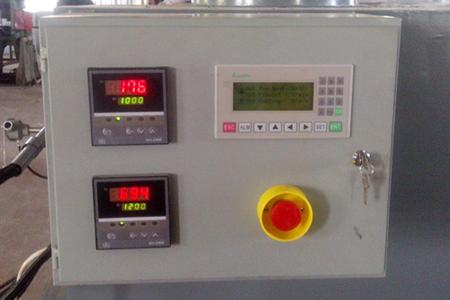
In the wake of increasing environmental concerns and waste management challenges, isolated health facilities, especially in remote or rural areas, require sustainable and efficient solutions. Waste incineration has emerged as a pivotal technology in managing hospital waste and other biohazard materials effectively. This article delves into the transformative impact of innovative incinerators, with a special focus on the Drum Cyclonic Barrel Portable Incinerator, a leading-edge solution in the field.
The Need for Efficient Waste Management Solutions

As healthcare facilities strive for sustainability, they face substantial waste management challenges, particularly in isolated regions where traditional disposal methods are neither practical nor environmentally viable. Waste, particularly hazardous medical waste, requires prompt and efficient incineration to minimize health risks and environmental pollution.
Key Features of the Drum Cyclonic Barrel Portable Incinerator
The Drum Cyclonic Barrel Portable Incinerator represents a modern evolution in incineration technology that sets itself apart from traditional models. Below are some of its notable features:
- Thermal Efficiency: The cyclonic burn technology optimizes combustion, allowing waste to be incinerated at higher temperatures while ensuring lower fuel consumption.
- Dual Chamber Design: This feature enables more effective heating and complete burn of waste materials, significantly reducing the emissions of hazardous compounds.
- Mobility: Designed for ease of transport, the portable incinerator can be deployed quickly in emergency situations, making it ideal for field operations.
- Robust Refractory Lining: This lining ensures effective heat retention and extends the lifespan of the incinerator.
Real-World Applications of Innovative Incinerators
Many healthcare facilities worldwide have adopted the Drum Cyclonic Barrel Portable Incinerator to address their waste management needs. Here are two practical examples:
1. Remote Rural Health Clinics in Sub-Saharan Africa
In regions with limited infrastructure, such as rural health clinics in Sub-Saharan Africa, the Drum Cyclonic Barrel Portable Incinerator has revolutionized medical waste disposal. These clinics often lack access to centralized waste management facilities, leading to unregulated dumping of hazardous materials, which poses significant health risks.
By using portable incinerators, healthcare workers can safely dispose of infectious waste on-site, reducing contamination risks and protecting community health. The mobility feature allows rapid response to various healthcare needs across widely dispersed locations.
2. Disaster Relief Operations in Southeast Asia
During disaster relief efforts in Southeast Asia, organizations frequently encounter the challenge of managing waste from healthcare facilities that spring up in response to emergencies. The Drum Cyclonic Barrel Portable Incinerator provides an immediate solution to incinerate medical refuse safely, such as used syringes and contaminated bandages, in real-time, minimizing the potential for disease outbreaks.
With its compact design and efficient operation, it serves as an indispensable tool in humanitarian aid, ensuring that waste does not accumulate in temporary medical facilities.
Environmental Compliance and Emission Standards
One of the most significant advantages of using advanced incineration technology is adherence to environmental regulations and emissions standards. The Drum Cyclonic Barrel Portable Incinerator operates within strict emission limitations established by global guidelines.
This device minimizes harmful emissions significantly, owing to its dual chamber and cyclonic burn technology. It reduces particulate matter and identifies opportunities to capture toxins such as dioxins and furans, which are commonly released during waste incineration.
Regions like Europe and North America have mandated stringent environmental regulations that incinerators must comply with. The efficient design of the Drum Cyclonic Barrel Portable Incinerator ensures that it meets or exceeds these standards, positioning it as a responsible choice for waste management across diverse settings.
Comparison with Traditional Incinerators
| Feature | Traditional Incinerators | Drum Cyclonic Barrel Portable Incinerator |
|---|---|---|
| Emissions Control | Limited | Highly efficient, low emissions |
| Mobility | Stationary | Portable and easy to transport |
| Fuel Efficiency | Higher fuel consumption | Lower fuel consumption due to cyclonic technology |
| Technical Complexity | Often complicated | User-friendly and straightforward operation |
FAQs about Drum Cyclonic Barrel Portable Incinerators
- What types of waste can the Drum Cyclonic Barrel Portable Incinerator process? The incinerator is designed to efficiently handle medical waste, including contaminated materials like syringes, bandages, and organic waste.
- How does the incinerator comply with environmental regulations? The incinerator features advanced emissions control technology, ensuring compliance with international emissions standards.
- Is the incinerator easy to transport? Yes, its portable design makes it ideal for various settings, including remote health clinics and disaster relief operations.
- What are the benefits of a dual chamber system? A dual chamber system allows for more complete incineration of waste, reducing harmful emissions and ensuring better combustion efficiency.
- Can this incinerator be used in emergency situations? Absolutely! Its quick setup and mobility make it perfect for emergency response scenarios.
Conclusion: A Sustainable Future in Waste Management
The Drum Cyclonic Barrel Portable Incinerator embodies the future of waste management in isolated health facilities, offering a compact, efficient, and environmentally compliant solution. As healthcare providers face the pressing need to manage waste responsibly, innovations in incineration technology will play a crucial role in making healthcare safer and more sustainable. Embracing such technologies not only protects community health in remote areas but also aligns with global sustainability goals.