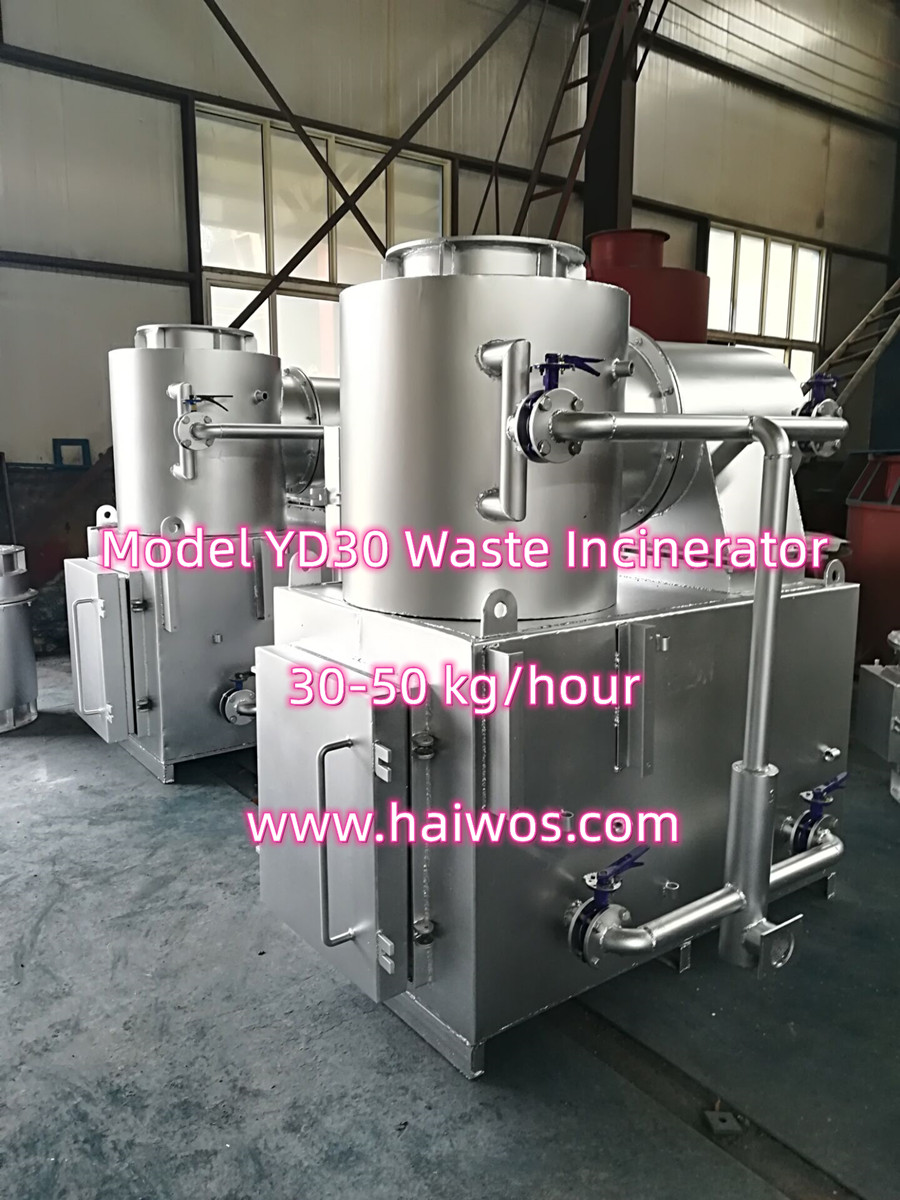
As Sudan grapples with the challenge of effective waste management, innovative solutions are becoming essential for maintaining environmental health and public safety. The rising adoption of the Drum Cyclonic Barrel Portable Incinerator marks a significant advancement in the country’s approach to waste disposal. With its unique capabilities and compliance with emissions regulations, this equipment is transforming the landscape of waste management, particularly in remote regions and locations with limited infrastructure.
Market Context: Challenges in Waste Management

Sudan faces a myriad of challenges related to waste management, exacerbated by urbanization, inadequate waste collection systems, and economic constraints. In cities like Khartoum and Port Sudan, the accumulation of hazardous waste—ranging from health care waste to industrial residues—poses serious health risks. Traditional landfilling and open burning methods contribute to environmental degradation and air pollution, making immediate and innovative solutions imperative.
Why Choose Drum Cyclonic Barrel Portable Incinerators?
The Drum Cyclonic Barrel Portable Incinerator offers a revolutionary approach to waste incineration, particularly suitable for organizations like hospitals, NGOs, and disaster-relief operators. Here are its key features:
- Mobility: Designed for portability, allowing field operations in remote or rural areas.
- Dual Chamber Technology: Ensures complete combustion by utilizing two combustion chambers for optimal thermal efficiency.
- Cyclonic Burn Mechanism: Promotes thorough mixing of waste and air, enhancing combustion efficiency and reducing emissions.
- Refractory Lining: Protects the interior and maintains high temperatures, ensuring minimal heat loss.
- Fuel System: Compatible with LPG, making it more efficient and environmentally friendly compared to traditional options.
Field Applications and Practical Scenarios
Example 1: Hospital Waste Management in Khartoum
In Khartoum, hospitals have adopted the Drum Cyclonic Barrel Portable Incinerator to address the critical issue of medical waste disposal. The equipment ensures safe destruction of infectious waste—including sharps and biohazardous materials—while meeting local environmental compliance standards. By efficiently converting harmful waste into ash and gases, hospitals are not only maintaining health safety but also contributing to a cleaner environment.
Example 2: Emergency Response and NGO Applications
In response to humanitarian crises, NGOs operating in Sudan have leveraged this incinerator to dispose of animal carcasses and other hazardous materials. The portable features make it ideal for remote field operations—helping to control disease spread and maintain community health. Its capacity to operate on LPG reduces logistical challenges associated with fuel supply in crisis scenarios, enhancing operational efficiency.
Environmental Compliance and Emissions Standards
The importance of adhering to environmental regulations in waste management cannot be overstated. In Sudan, the government is increasingly enforcing standards to minimize the environmental impact of waste incineration. The Drum Cyclonic Barrel Portable Incinerator complies with international emissions standards, making it suitable for responsible waste management practices.
This incinerator’s design minimizes harmful emissions, such as dioxins and particulate matter, ensuring that it aligns with the regulatory landscape. By choosing the Drum Cyclonic model, organizations not only fulfill legal obligations but also contribute positively to the local and global environmental agenda.
Comparative Overview: Drum Cyclonic vs. Traditional Incinerators
| Feature | Drum Cyclonic Barrel Portable Incinerator | Traditional Incinerators |
|---|---|---|
| Portability | Highly portable | Fixed installation |
| Combustion Efficiency | High (dual chamber) | Variable (often lower) |
| Emissions Control | Meets stringent standards | Often higher emissions |
| Fuel Type | LPG | Various, often more polluting |
FAQs
What types of waste can be incinerated with a Drum Cyclonic Barrel Portable Incinerator?
This portable incinerator is designed for medical, agricultural, and hazardous waste, including animal carcasses and biohazardous materials.
How does the dual chamber design improve efficiency?
The dual chamber system ensures that waste undergoes complete combustion, leading to higher thermal efficiency and lower emissions.
Can this incinerator be used in remote locations?
Yes, its portable design and compatibility with LPG allow it to be operated effectively in areas with limited access to infrastructure.
What emissions standards does this incinerator comply with?
The Drum Cyclonic model meets or exceeds international emissions standards, significantly reducing the release of harmful pollutants.
Is training required to operate the incinerator?
While basic operational training is recommended, the incinerator is designed for ease of use, making it accessible for various users.
Conclusion
The increasing use of Drum Cyclonic Barrel Portable Incinerators in Sudan represents a significant step forward in the country’s waste management strategy. Addressing pressing challenges in environmental compliance and safety, these innovative units offer reliable waste disposal solutions throughout urban and remote areas. As Sudan continues to urbanize and face growing waste management issues, adopting such innovative technologies will become essential for sustainable development and public health.