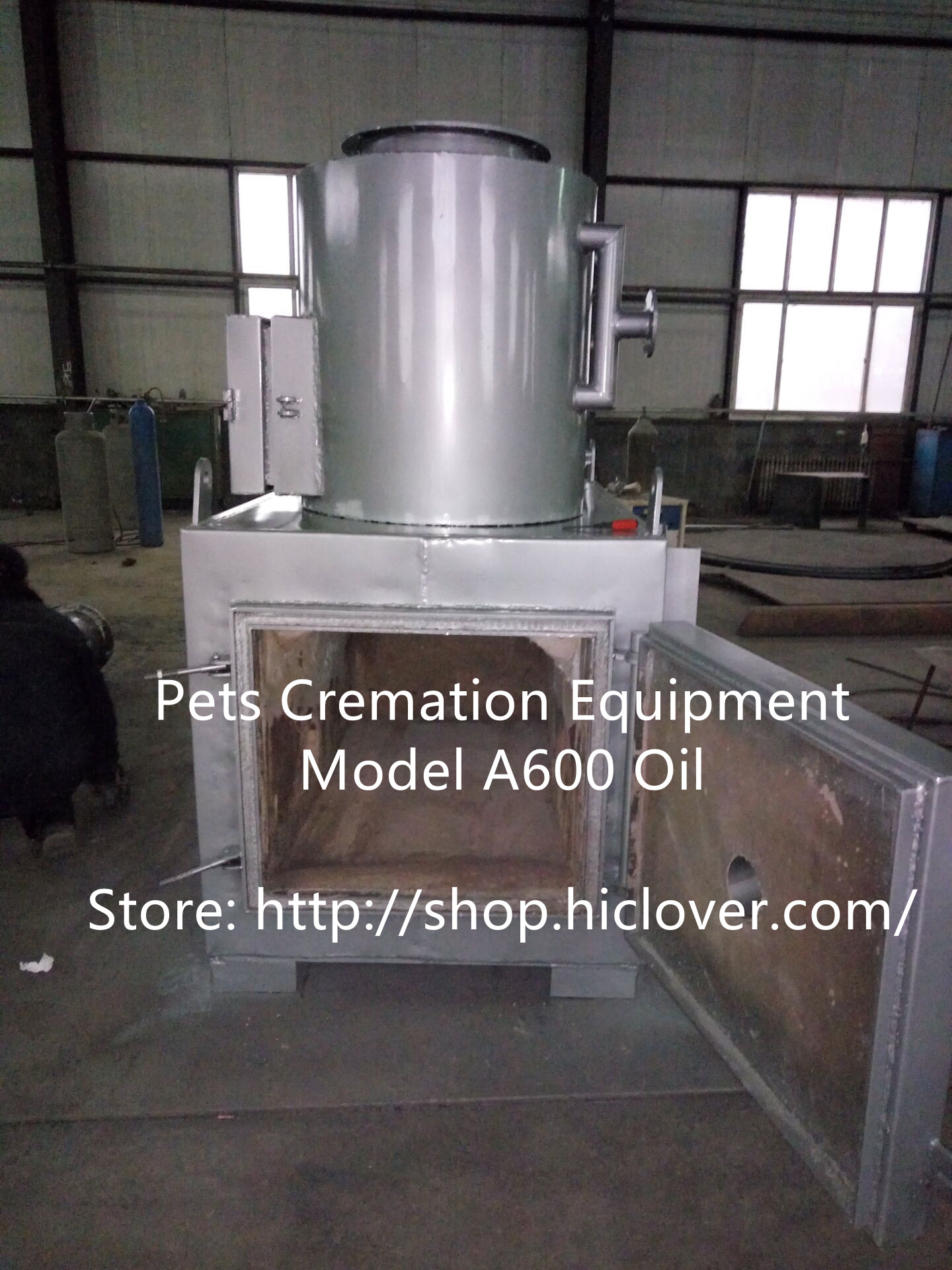
In the wake of global crises, including natural disasters and armed conflicts, the need for effective waste management systems in refugee camps has never been more pressing. Traditional waste disposal methods often fall short in the face of overwhelming refuse and limited resources. This context amplifies the significance of advanced waste incineration equipment, particularly the Drum Cyclonic Barrel Portable Incinerator. This innovative solution not only addresses sanitation concerns but also ensures compliance with environmental standards.
The Challenges of Waste Management in Refugee Camps

Refugee camps frequently grapple with inadequate sanitation facilities and increased waste generation. According to recent reports from humanitarian organizations, waste accumulation can lead to severe health risks, including the spread of diseases, environmental degradation, and unsightly living conditions. In areas where resources are strained, the persistent challenge of waste management necessitates innovative answers—enter incineration technology.
Understanding the Drum Cyclonic Barrel Portable Incinerator
The Drum Cyclonic Barrel Portable Incinerator represents a leap forward in waste management technology. Designed for versatility and efficiency, this incinerator is engineered with the following features:
- Cyclonic Burn Technology: Optimizes combustion efficiency by ensuring thorough mixing of waste and air, resulting in cleaner emissions.
- Dual Chamber System: Segregates primary combustion from secondary combustion, which maximizes heat generation and minimizes smoke.
- Mobility: Lightweight and portable, making it ideal for use in remote refugee locations.
- Robust Refractory Lining: Ensures longevity and high thermal efficiency by withstanding extreme temperatures.
- Compact Design: Facilitates easy transport and quick set-up, eliminating lengthy installation processes.
Practical Applications in Refugee Camps
In various field scenarios, the adoption of the Drum Cyclonic Barrel Portable Incinerator has yielded remarkable results in managing waste effectively and safely:
1. Emergency Response in Kenya’s Kakuma Refugee Camp
Kakuma Refugee Camp in Kenya serves as a refuge for thousands fleeing conflict and crises. The camp faced an escalating waste management problem due to its growing population. Implementing the Drum Cyclonic Barrel Portable Incinerator has transformed waste disposal practices. By incinerating non-recyclable and biohazardous materials like medical waste, the camp has managed to reduce landfill dependency while improving health and hygiene for camp residents.
2. Animal Carcass Disposal in Syrian Border Camps
In response to the influx of refugees entering border camps around Syria, many NGOs have initiated programs to manage animal carcasses, which pose significant health risks. The Drum Cyclonic Barrel Portable Incinerator has proven effective in swiftly processing carcasses with minimal emissions, aligning with international health standards while preserving community safety.
Environmental Compliance and Emissions Standards
Compliance with global environmental standards is crucial, especially in sensitive areas like refugee camps. The Drum Cyclonic Barrel Portable Incinerator adheres to strict emissions control protocols, significantly reducing particulate emissions and toxic by-products. The dual chamber design ensures that waste undergoes complete combustion, surpassing many traditional incinerator performance metrics. Regulatory standards set forth by organizations aim to protect air quality, making this incinerator a reliable choice in humanitarian operations.
Advantages Over Traditional Incinerators
| Feature | Traditional Incinerators | Drum Cyclonic Barrel Portable Incinerator |
|---|---|---|
| Combustion Efficiency | Moderate | High (cyclonic technology) |
| Mobility | Static | Portable |
| Installation Time | Long | Minimal |
| Emissions Control | Limited | Advanced |
Addressing Common Questions
- What types of waste can the Drum Cyclonic Barrel Portable Incinerator handle? The incinerator is designed for various types of waste, including hospital waste, animal carcasses, and general refuse.
- How does the technology improve safety in camps? By ensuring complete combustion and reducing harmful emissions, the incinerator mitigates health risks associated with waste accumulation.
- Is this incinerator compliant with international environmental regulations? Yes, it meets or exceeds standard emissions control measures, making it suitable for use in regulated contexts.
- Can it be easily moved from one site to another? Absolutely! Its lightweight and portable design allows for quick relocation as camp conditions change.
- What fuels are required for operation? The incinerator operates on various fuels, but wood and diesel are commonly utilized for optimal performance.
Conclusion
The need for effective waste management solutions in refugee camps is both urgent and essential. The Drum Cyclonic Barrel Portable Incinerator stands out as an innovative answer to the challenges posed by improper waste disposal. With its advanced emissions control technology and superior efficiency, it not only enhances sanitation in congested living conditions but also complies with environmental regulations. Adopting such technologies can significantly improve health outcomes, protect the environment, and contribute to long-term solutions in crisis situations.