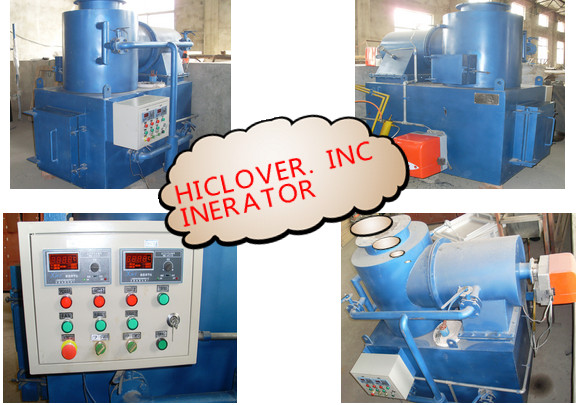
The world is facing a pressing challenge: managing waste in environmentally sustainable ways. As urban centers expand and the amount of waste generated increases, innovative waste disposal technologies are essential. Traditional waste incineration methods have come under scrutiny for emission levels and thermal efficiency. However, recent advancements in technologies like the Drum Cyclonic Barrel Portable Incinerator are setting new standards in waste management, especially in settings where space and mobility matter. This article explores how innovations in high insulation refractory lining drum design can transform waste incineration into a highly efficient and compliant practice.
Market Context: The Need for Effective Waste Management Solutions

Across cities, from Tokyo to Nairobi, the pressing need for efficient waste disposal solutions is becoming increasingly evident. Hospitals, disaster response teams, and government agencies are challenged daily with the disposal of various waste types, including medical, hazardous, and general refuse. In rural areas or remote locations, traditional waste management infrastructure is often nonexistent, compounding the problem. Enter innovative solutions like the Drum Cyclonic Barrel Portable Incinerator, designed with cutting-edge technology to address these challenges while being extremely effective.
Understanding the Drum Cyclonic Barrel Portable Incinerator
At the core of this innovation is the Drum Cyclonic Barrel Portable Incinerator, an equipment variant engineered for maximum thermal efficiency and minimal environmental impact. Notably, the drum features a dual-chamber design that enhances combustion while effectively controlling emissions. This high insulation refractory lining consistently maintains high temperatures necessary for complete waste destruction, reducing the generation of harmful byproducts.
Key Features of the Cyclonic Incinerator
- Dual-Chamber Combustion: Enables more thorough burning and energy retention.
- Enhanced Mobility: Built for easy transport, it is ideal for emergency response or rural deployment.
- High Insulation Refractory Lining: Minimizes heat loss, improving thermal efficiency.
- Cyclonic Burn Technology: Facilitates complete waste combustion, reducing ash residue.
- Fuel System Optimizations: Utilizes both solid and liquid fuels for versatile operation.
Real-World Applications: Success Stories in Waste Management
The Drum Cyclonic Barrel Portable Incinerator is not just a theoretical design; its implementation is already creating success stories in diverse environments. Here are a couple of scenarios highlighting its effectiveness:
1. Hospital Waste Disposal in Remote Areas: In rural India, a hospital faced challenges in disposing of its biomedical waste. With the introduction of this portable incinerator, the facility was able to safely and efficiently eliminate waste on-site, adhering to the stringent regulations while maintaining hospital operations uninterrupted.
2. Emergency Response Operations: During disaster relief efforts in Haiti, NGOs utilized these incinerators to burn debris and hazardous waste efficiently. The portability of the design allowed teams to adapt to various environments rapidly and contribute to improving public health standards in affected areas.
Meeting Environmental Standards: Compliance and Emission Control
Adapting to local regulations is crucial for incinerator users. Depending on the region, emissions standards may be regulated by strict guidelines to control air quality and environmental health. For instance, the European Union has established rigorous emission limits for incineration facilities which the Drum Cyclonic Barrel Portable Incinerator complies with due to its advanced design.
Key regulatory measures often revolve around the control of particulate matter, dioxins, and other harmful emissions. Many countries now require that any waste management facility effectively demonstrate compliance with these regulations, making investments in superior technology not just beneficial but necessary. In the U.S., the Environmental Protection Agency (EPA) ensures that incinerators meet strict emission criteria, which can be achieved through the unique features of this portable incineration technology.
Regulatory Reference Table
| Region | Regulatory Body | Emission Standards |
|---|---|---|
| European Union | European Commission (EC) | Limit values for dioxins: 0.1 ng TEQ/m³ |
| United States | Environmental Protection Agency (EPA) | Maximum allowable limits on various pollutants |
Frequently Asked Questions
- What types of waste can the Drum Cyclonic Barrel Portable Incinerator handle?
The incinerator is designed for a variety of waste, including medical, agricultural, and even certain solid industrial waste. - Is the portable incinerator compliant with local emissions regulations?
Yes, it is designed to meet or exceed most regulatory standards established by environmental authorities worldwide. - How does the cyclonic burn technology work?
The technology improves combustion efficiency by enhancing air mixing in the chamber, ensuring a more complete burnout of waste materials. - Can the incinerator operate on different fuel types?
Absolutely; it is optimized to use both solid and liquid fuels, adding to its versatility. - How can hospitals ensure safe incineration practices?
Hospitals should train staff on operational procedures and emissions monitoring to align their practices with environmental standards.
Conclusion: A Future-Oriented Approach to Waste Management
In the evolving landscape of waste management, solutions like the Drum Cyclonic Barrel Portable Incinerator reflect a proactive stance towards environmental challenges. By integrating advanced design principles, high insulation refractory lining technologies, and compliance with strict emissions standards, this innovative incinerator offers an effective tool for governments, NGOs, and hospitals. As these organizations seek to enhance their waste disposal methods, investing in such technologies is a forward-thinking strategy that not only addresses immediate waste challenges but also contributes to a sustainable future.