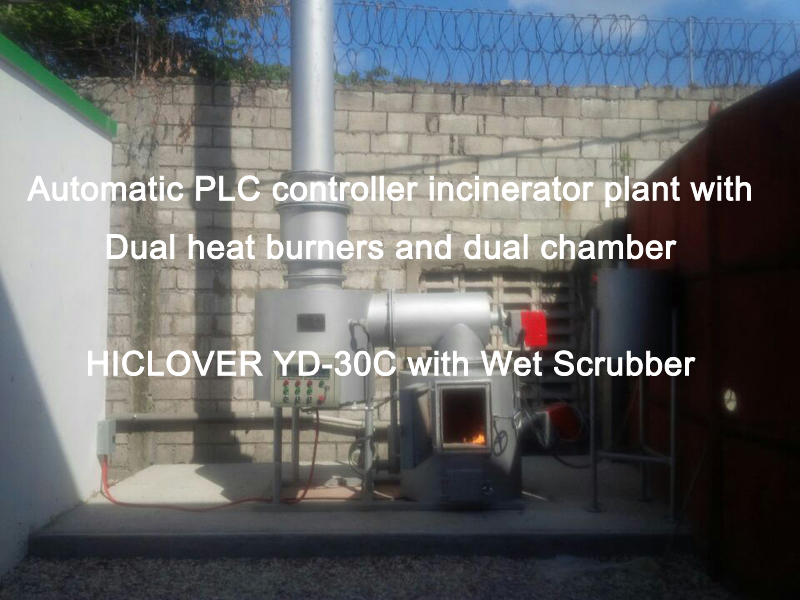
In today’s world, effective waste management has never been more crucial. As cities expand and the accumulation of waste increases, traditional waste disposal methods are proving inadequate. Among these methods, waste incineration has emerged as a viable solution, especially with the advent of advanced technologies such as the Drum Cyclonic Barrel Portable Incinerator. This innovative equipment has become an invaluable tool for hospitals, NGOs, and disaster-relief operations, leading a transformation in the way waste is managed.
Understanding the Market Context

The growing urban population has generated unprecedented amounts of waste, pushing municipalities and organizations to seek efficient disposal methods. Conventional landfills are nearing capacity in many areas, leading to significant environmental concerns, including methane emissions and groundwater pollution. Coupled with increasing regulations surrounding waste disposal, the demand for sustainable alternatives has skyrocketed.
Waste incineration, specifically portable solutions like the Drum Cyclonic Barrel Portable Incinerator, offers numerous benefits. Unlike traditional incinerators that require extensive infrastructure and installation, this innovative technology boasts a minimal installation process, making it ideal for remote rural areas and emergency response situations.
Technical Explanation of Drum Cyclonic Barrel Portable Incinerators
The Drum Cyclonic Barrel Portable Incinerator is engineered for high-efficiency thermal combustion, featuring a dual-chamber system for enhanced emissions control. The outer chamber serves as a preliminary combustion area, while the inner chamber achieves secondary combustion at elevated temperatures, ensuring that combustible materials undergo complete thermal oxidation.
- Mobility: Designed to be lightweight and portable, it can be easily transported to various locations.
- Fuel System: This incinerator can utilize multiple fuel types, including kerosene and diesel, allowing for operational flexibility.
- Cyclonic Burn Technology: This feature enhances combustion efficiency, achieving cleaner emissions and reducing the overall environmental impact.
- Refractory Lining: The lining maximizes heat retention and minimizes wear, contributing to prolonged equipment life and operational efficiency.
Field Applications: Real-World Scenarios
1. Emergency Response in Remote Areas
In disaster-stricken regions, waste management becomes critical. Consider a scenario following a natural disaster in a remote area. Traditional waste disposal options are often unavailable, posing risks of disease and pollution. The Drum Cyclonic Barrel Portable Incinerator can be deployed swiftly to handle hazardous medical waste, including biohazards from temporary hospitals and relief efforts, ensuring a clean environment for recovery.
2. Efficient Hospital Waste Disposal
Hospitals generate a substantial amount of waste daily, especially hazardous materials such as sharps, chemical residues, and biomedical waste. Implementing a portable incinerator allows hospitals to streamline their waste management process. For instance, a mid-sized hospital in Europe integrated the Drum Cyclonic Barrel Portable Incinerator into its waste disposal strategy, significantly enhancing compliance with local environmental regulations while minimizing transport costs associated with waste removal.
Environmental Compliance and Emissions Standards
As environmental regulations tighten globally, organizations must ensure their waste management practices comply with local and international standards. The Drum Cyclonic Barrel Portable Incinerator is designed to meet stringent emissions requirements. It effectively reduces harmful emissions, including dioxins and particulate matter, while ensuring thermal efficiency.
For example, in the European Union, the Waste Incineration Directive sets forth specific limits on emission levels. The incinerator’s cyclonic burn technology improves combustion efficiency, helping facilities meet these critical regulatory standards while maintaining operational flexibility.
Regional Insights: Where is This Technology Making an Impact?
Cities like Berlin and San Francisco have been pioneers in adopting advanced waste management solutions. As authorities seek methods to reduce landfill reliance, the Drum Cyclonic Barrel Portable Incinerator has found a niche within municipal and healthcare waste disposal sectors, allowing for the efficient destruction of waste directly at the source.
FAQs
1. What types of waste can be incinerated using a Drum Cyclonic Barrel Portable Incinerator?
The incinerator is effective for various waste types, including hospital waste, animal carcasses, and hazardous materials, making it suitable for diverse applications.
2. How does the incineration process comply with local environmental regulations?
The incinerator features advanced emissions control technologies that help it meet or exceed local regulatory standards, ensuring safe and environmentally sound waste management.
3. Can the Drum Cyclonic Barrel Portable Incinerator be easily transported?
Yes, its design prioritizes mobility, allowing for quick deployment in emergency situations or remote locations.
4. What are the key advantages of using this incinerator over traditional methods?
Advantages include lower installation costs, enhanced thermal efficiency, portability, and compliance with environmental standards, making it a modern solution for waste management.
5. How does the dual-chamber design benefit combustion efficiency?
The dual-chamber design ensures that waste undergoes thorough thermal oxidation, significantly reducing emissions and enhancing overall combustion efficiency.
Conclusion
As the world grapples with escalating waste challenges, the rise of minimal-installation incinerators like the Drum Cyclonic Barrel Portable Incinerator signals a transformative change in waste management practices. By merging portability, efficiency, and compliance, this innovative equipment offers practical solutions for evolving waste disposal needs across diverse sectors. Whether it’s in hospitals or remote disaster response scenarios, this incinerator embodies the future of responsible waste management.