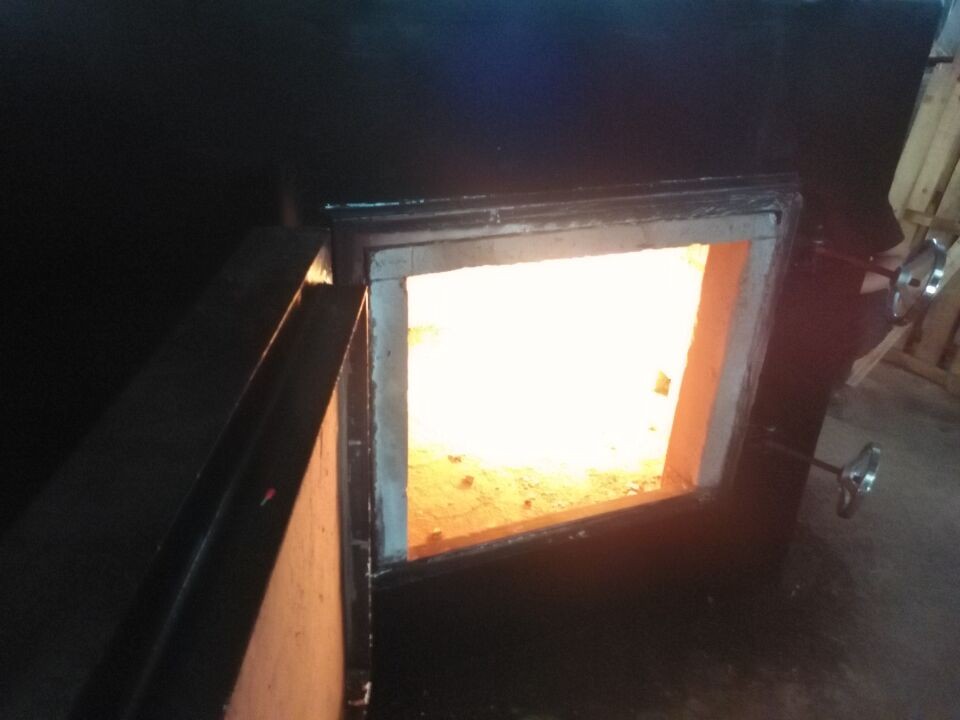
As urbanization continues to rise, Kenya faces significant waste management challenges, particularly in major cities like Nairobi and Mombasa. Improper waste disposal has become a pressing concern, leading to environmental degradation and public health crises. Traditional waste management systems are often inefficient and cannot cope with the rapidly increasing volumes of waste. In this context, innovative solutions such as Batch-Loading Drum Incinerators, particularly the Drum Cyclonic Barrel Portable Incinerator, present an effective means of tackling these issues.
The Need for Effective Waste Disposal Solutions

In Kenya, landfills are becoming increasingly congested and are often located near vulnerable communities. This placement poses serious health risks and environmental concerns, including leachate contamination and methane emissions. The urgency for alternative waste disposal methods, especially for hazardous materials like hospital waste, is critical. The Drum Cyclonic Barrel Portable Incinerator emerges as a solution that combines mobility, efficiency, and thermal performance, making it ideal for various settings, from hospitals to remote camps.
Understanding the Drum Cyclonic Barrel Portable Incinerator
The Drum Cyclonic Barrel Incinerator features a unique design that enhances its burning efficiency and reduces emissions. Its dual chamber system promotes complete combustion, ensuring that waste is incinerated thoroughly and with minimal environmental impact. Here are some key specifications of this innovative incineration equipment:
- Efficiency: High thermal efficiency with cyclonic burn technology.
- Mobility: Lightweight and portable design allows for easy relocation.
- Capacity: Can handle various waste types, including medical waste, animal carcasses, and general refuse.
- Fuel System: Consumes less fuel due to optimized combustion conditions.
- Refractory Lining: Enhances the durability and operational lifespan of the incinerator.
Practical Applications in Kenya
Case Study 1: Hospital Waste Management
In cities like Nairobi, hospitals generate significant amounts of medical waste, posing serious risks if not disposed of properly. The Drum Cyclonic Barrel Portable Incinerator has been effectively used in a local hospital to manage their medical waste. By providing a centralized incineration point, the hospital minimized the risk of infections from sharps and biological materials, maintaining compliance with national health regulations.
Case Study 2: Disaster Relief Operations
In remote areas affected by natural disasters, waste management becomes a logistical challenge. NGOs operating in these regions have employed Batch-Loading Drum Incinerators for efficient waste disposal. For instance, during a recent flood relief operation in Western Kenya, these portable incinerators were deployed to dispose of organic waste and hygiene products. The quick setup and operation of the incinerators allowed for a swift response to the waste generated in temporary camps, preserving the surrounding environment.
Compliance with Environmental Standards
The management of incineration emissions is governed by strict regulations to prevent air pollution. The Drum Cyclonic Barrel Portable Incinerator is designed for compliance with Kenya’s environmental regulations, which emphasize the need for low emission technology. Key emission standards include:
- Particulate Matter (PM) emissions not exceeding 10 mg/m3.
- Oxides of Nitrogen (NOx) emissions controlled under monitored limits.
- Volatile Organic Compounds (VOCs) must be kept at minimal levels.
By adopting such advanced incinerators, organizations can enhance their waste management practices while ensuring adherence to environmental standards.
Benefits Over Traditional Incineration Systems
Compared to traditional incinerators, the Drum Cyclonic Barrel Portable Incinerator offers several advantages:
- Improved thermal efficiency leading to faster processing times.
- Reduced fuel consumption favoring cost-effectiveness.
- Enhanced portability allowing for easy transport and setup in various locations.
- Lower operational emissions, contributing to a smaller ecological footprint.
- Robust design ensuring optimal performance in challenging environments.
FAQs About Batch-Loading Drum Incinerators
What types of waste can be processed using a Drum Cyclonic Barrel Portable Incinerator?
The incinerator is versatile and can process various waste types, including medical, municipal, agricultural, and animal carcasses.
How does the incinerator comply with emissions standards?
The Drum Cyclonic Barrel Portable Incinerator features a dual chamber design that optimizes combustion and minimizes harmful emissions.
Is the Drum Cyclonic Incinerator easy to transport?
Yes, its lightweight and portable design makes it easy to transport to different locations, making it ideal for field operations.
What is the thermal efficiency of this incinerator?
The incinerator is engineered for high thermal efficiency, ensuring complete combustion and reduced fuel consumption.
Can NGOs use this incinerator for disaster relief efforts?
Absolutely, its compact design and operational efficiency make it well-suited for rapid deployment in disaster relief scenarios.
Conclusion
The rising waste management challenges in Kenya highlight the crucial need for innovative solutions such as the Batch-Loading Drum Cyclonic Barrel Portable Incinerator. By incorporating advanced technology, this equipment not only addresses the pressing concern of effective waste disposal but also ensures compliance with stringent environmental standards. As waste generation continues to soar, embracing such modern incineration methods will be essential for hospitals, government agencies, NGOs, and other stakeholders committed to promoting public health and environmental sustainability.