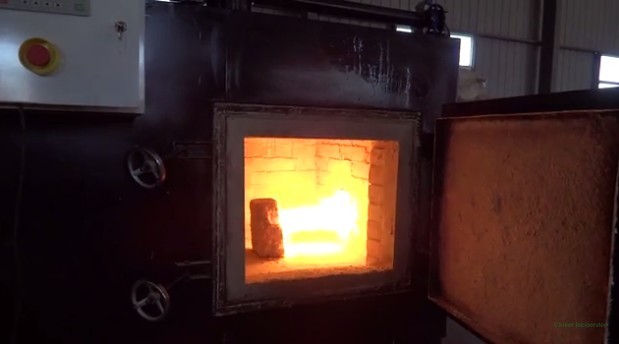
South Sudan faces complex waste management challenges exacerbated by its ongoing developmental struggles, scarce infrastructure, and limited resources. The issue of waste, especially hazardous and medical waste, poses significant health and environmental risks. Traditional landfill approaches are becoming untenable, pushing for innovative solutions like metal drum incinerators. Among these, the Drum Cyclonic Barrel Portable Incinerator stands out, blending efficiency with mobility to meet the pressing needs of the region.
Challenges in Current Waste Management Practices

In cities such as Juba and Wau, improper waste disposal practices lead to contaminated water sources and increased disease prevalence. The urban population’s rapid growth further stresses existing disposal systems, and without effective waste treatment mechanisms, communities face serious health hazards. Incineration, particularly through portable solutions, offers a promising alternative by significantly reducing waste volume while ensuring proper treatment of hazardous materials.
Understanding the Drum Cyclonic Barrel Portable Incinerator
The Drum Cyclonic Barrel Portable Incinerator is designed to meet the unique demands of waste management in resource-constrained regions. It features:
- Cyclonic Burn Technology: This enhances combustion efficiency, ensuring complete incineration and minimal smoke emissions.
- Dual Chamber Design: Separates primary and secondary combustion areas to optimize thermal efficiency and reduce harmful emissions.
- Mobility: Lightweight and compact construction facilitates transport to remote or rural locations, essential for humanitarian operations.
- Refractory Lining: Provides enhanced heat retention, maximizing burn temperatures for efficient waste treatment.
This configuration not only ensures effective waste destruction but also compliance with environmental regulations that may apply within South Sudan and other regions.
Practical Applications in South Sudan
Field scenarios illustrate the utility of Drum Cyclonic Barrel Portable Incinerators:
Example 1: Medical Waste Disposal in Juba
In urban hospitals, the accumulation of medical waste, from used syringes to infected materials, poses dire health risks. Using the Drum Cyclonic Barrel Incinerator, hospitals can safely and efficiently incinerate waste on-site. This method minimizes the chances for waste-related diseases to spread through improper disposal.
Example 2: Humanitarian Response Operations
During field operations, NGOs often confront logistical challenges regarding waste disposal in refugee camps or disaster-stricken areas. The portability of the incinerator allows immediate setup and operation, addressing waste quickly and effectively. This transformative capability is particularly crucial when considering the need for rapid response in crises.
Environmental Compliance and Emissions Standards
As nations gradually tighten emissions standards, the significance of compliant waste treatment systems grows. The Drum Cyclonic Barrel Portable Incinerator incorporates design aspects that minimize environmental impact, aligning with international best practices in waste management. By achieving higher combustion temperatures and effective emissions control, these incinerators can help South Sudan meet environmental expectations while ensuring responsible waste treatment.
According to recent studies, incinerators that employ advanced cyclonic burning techniques drastically reduce the release of harmful pollutants, setting a new standard in waste management across Africa.
Comparison of Traditional Incinerators vs. Cyclonic Barrel Incinerators
| Feature | Traditional Incinerators | Cyclonic Barrel Incinerators |
|---|---|---|
| Mobility | Fixed installation | Portable and lightweight |
| Burn Efficiency | Moderate efficiency | High efficiency with cyclonic burn |
| Emission Control | Basic controls | Advanced emissions control |
| Operational Cost | Higher long-term costs | Low operational and maintenance costs |
Frequently Asked Questions
What types of waste can the Drum Cyclonic Barrel Portable Incinerator burn?
The incinerator is effective for a wide range of waste, including medical waste, animal carcasses, and general refuse, making it versatile for various applications.
How does the incinerator reduce emissions compared to traditional methods?
The advanced cyclonic burn technology optimizes combustion temperatures and airflow, significantly lowering the risk of incomplete combustion and harmful emissions.
Is the Drum Cyclonic Barrel Portable Incinerator suitable for rural or remote areas?
Yes, its lightweight design allows easy transport and deployment in remote locations, making it ideal for humanitarian and emergency response operations.
What are the benefits of dual chamber design in waste incineration?
The dual chamber design enhances thermal efficiency, allowing for more complete combustion of waste while reducing noxious emissions and particulates into the atmosphere.
How can organizations ensure they comply with local regulations?
By selecting incineration equipment designed for compliance, organizations can align operational practices with environmental standards set by government agencies and international bodies.
Conclusion
The introduction of Drum Cyclonic Barrel Portable Incinerators in South Sudan marks a significant advancement in the approach to waste management. By providing mobile, efficient, and effective solutions for waste incineration, these systems contribute to public health, environmental compliance, and the overall betterment of community health. As stakeholders, including hospitals, NGOs, and government agencies recognize the advantages of this technology, it’s clear that the future of waste management in regions like South Sudan hinges on such innovative solutions.