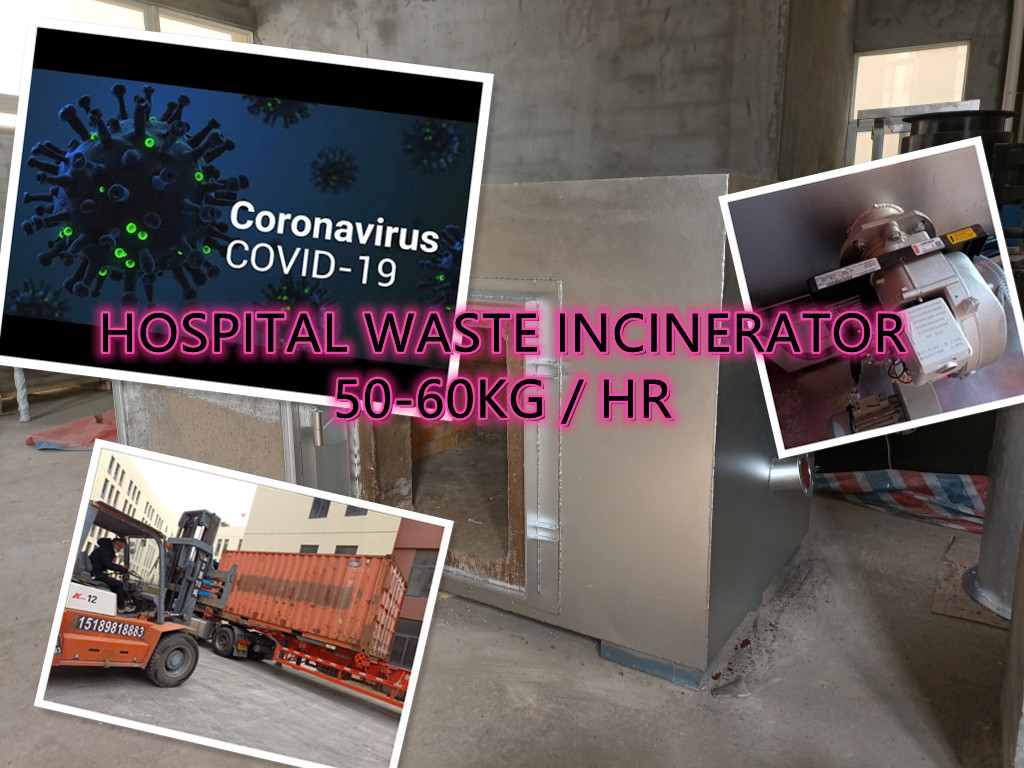
As the global discourses on environmental sustainability intensify, the management of waste—particularly in healthcare settings—has emerged as a critical challenge. An alarming case unfolded at a village health center where their newly installed Drum Cyclonic Barrel Portable Incinerator triggered debates surrounding emissions and proper waste management practices. This article delves into the implications of such incineration equipment, highlighting its configurations, practical applications, and environmental compliance.
The Context of Waste Management in Healthcare

In many communities, effective waste management is integral, especially in rural and remote areas where traditional waste processing facilities may be scarce. Healthcare facilities regularly generate hazardous materials, including clinical waste, which poses significant public health risks if not disposed of properly. This situation is exacerbated in developing countries, where resources are limited, and regulatory frameworks may not be adequately enforced.
The demand for efficient waste treatment solutions, such as the Drum Cyclonic Barrel Portable Incinerator, is on the rise. Its portable design and cyclonic combustion technology distinguish it from conventional incineration systems, allowing for greater thermal efficiency and reduced emissions. However, these advancements have sparked a debate on whether such innovations adequately address environmental concerns.
Understanding the Drum Cyclonic Barrel Portable Incinerator
The Drum Cyclonic Barrel Portable Incinerator is designed to effectively deal with various types of waste, including healthcare refuse, animal carcasses, and disaster relief waste. Its key features include:
- Cyclonic Burn Technology: This advanced feature promotes complete combustion by ensuring optimal heat distribution, thus minimizing unburned residues.
- Dual Chamber System: Combustion occurs in two chambers, allowing for better control of emissions and more efficient removal of harmful gases.
- Portable Design: Weighing less than traditional incinerators, it can be easily transported to remote locations, making it ideal for humanitarian missions as well as rural health centers.
- Refractory Lining: The interior lining is designed to withstand high temperatures, thus extending the life of the equipment while enhancing thermal efficiency.
- Easy Setup: With minimal assembly required, users can quickly deploy the incinerator as soon as they reach a site, significantly reducing response time in emergencies.
Field Scenarios: Practical Applications in Different Contexts
In an example from a rural clinic, waste accumulation became a dire issue during the pandemic. The health center adopted the Drum Cyclonic Barrel Portable Incinerator and immediately noticed a marked improvement in waste management. Healthcare professionals could safely incinerate biohazardous materials on-site, significantly decreasing the risk of infection from improperly disposed waste.
In another instance, during a natural disaster response, NGOs utilized the incinerator to eliminate a backlog of medical waste created in emergency shelters. The mobility and efficiency of the incinerator allowed aid workers to effectively manage hazardous waste without overwhelming local facilities.
Environmental Compliance and Emissions Standards
With increasing scrutiny regarding emissions, it is crucial to ensure that incineration equipment adheres to environmental regulations. The Drum Cyclonic Barrel Portable Incinerator is designed to meet various emissions standards, significantly reducing harmful output. For instance, its dual chamber functions to convert hazardous gases into less harmful substances, complying with regional regulations set by organizations such as the EPA in the United States and similar agencies globally.
Ensuring compliance not only protects the environment but also helps organizations mitigate legal risks. A key consideration is the use of materials certified for safe incineration, keeping in line with local guidelines. By deploying incinerators that prioritize low emissions, facilities can play a proactive role in combating pollution.
FAQs about Drum Cyclonic Barrel Portable Incinerator
What types of waste can the Drum Cyclonic Barrel Portable Incinerator handle?
The incinerator is effective for medical waste, animal carcasses, organic refuse, and waste generated in disaster response operations.
How does the cyclonic burn technology improve efficiency?
By optimizing heat distribution during the combustion process, cyclonic burn technology ensures that waste is completely incinerated, reducing the volume of ash left behind.
Is the incinerator compliant with environmental laws?
Yes, the Drum Cyclonic Barrel Portable Incinerator meets established emissions standards, making it suitable for use in various regions.
How portable is the Drum Cyclonic Barrel Portable Incinerator?
The unit is designed for easy transportation, making it especially suitable for remote areas and emergency response situations.
Can the incinerator be used in a disaster relief scenario?
Absolutely! Its rapid setup and efficient waste management capabilities make it an excellent choice for disaster relief operations.
Conclusion: A Balancing Act in Waste Management
The discussion surrounding the Drum Cyclonic Barrel Portable Incinerator raises essential questions about modern waste management practices. As healthcare facilities and other organizations explore innovative waste treatment solutions, they must also carefully weigh compliance and environmental impact against operational efficiency. While new technologies hold promise for alleviating waste management issues, continued dialogue about their ecological consequences will be vital to achieving sustainable practices. Authorities, practitioners, and communities must work closely to ensure that such solutions serve not only their immediate needs but also protect our environment for generations to come.