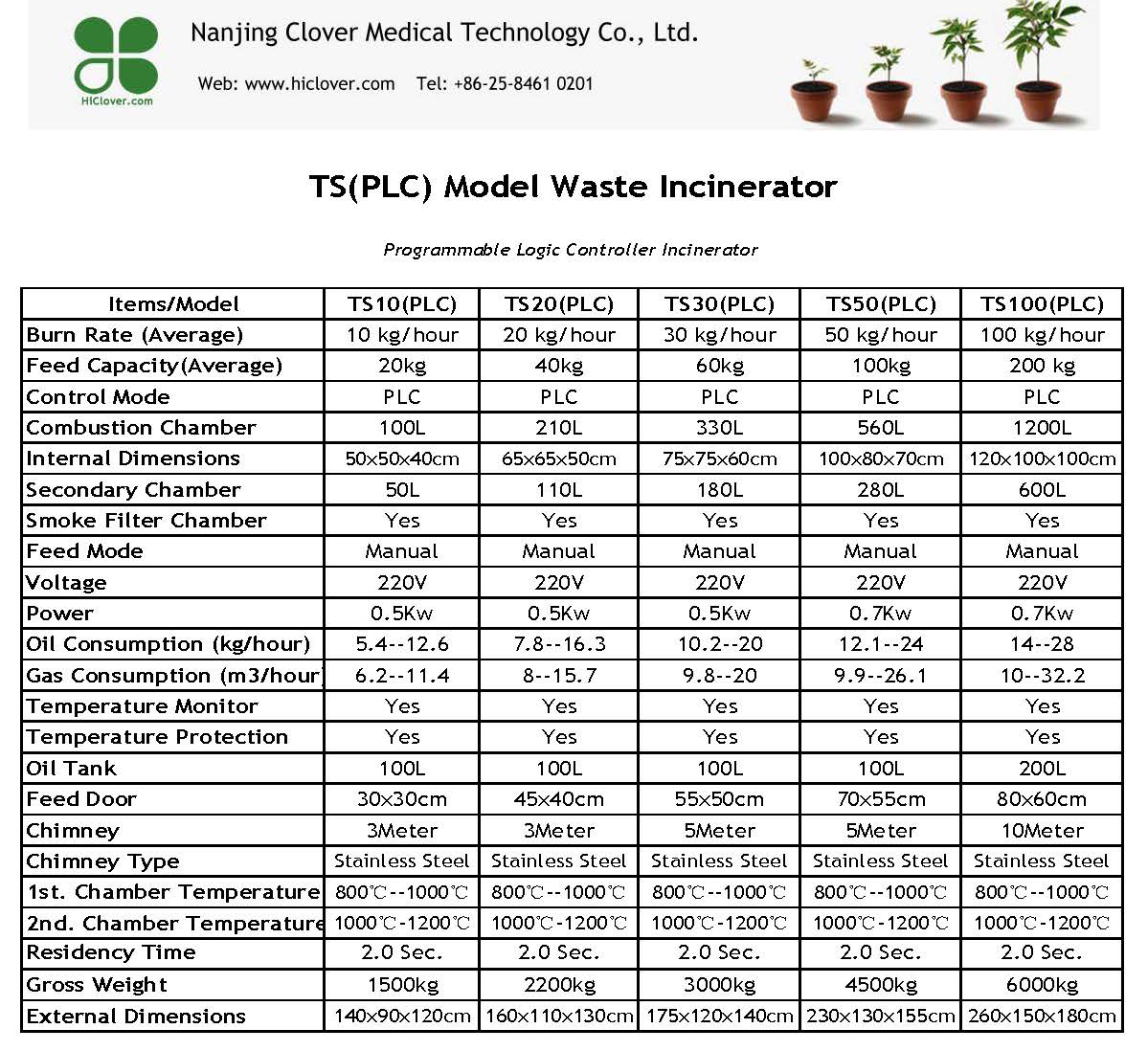
In an era marked by increasing environmental concerns and stringent regulations, effective waste management has become paramount. Emergency waste disposal, particularly in times of crisis, demands not only efficiency but also compliance with stringent environmental standards. Waste incineration, especially through advanced equipment like the Drum Cyclonic Barrel Portable Incinerator, has emerged as an essential solution for various sectors, including healthcare, military operations, and disaster relief.
Understanding the Challenges of Waste Incineration

Emergency situations, whether caused by natural disasters, disease outbreaks, or military conflicts, generate a massive influx of waste that must be managed rapidly. Traditional disposal methods often become unfeasible due to logistical constraints or safety concerns. The challenges faced in these scenarios include:
- Volume: Rapid increases in waste volume can overwhelm conventional disposal routes.
- Hazardous Materials: Medical waste or contaminated debris requires special handling and treatment to avoid environmental contamination.
- Mobility: In remote locations, transporting waste to central processing facilities is often impractical.
Introducing the Drum Cyclonic Barrel Portable Incinerator
The Drum Cyclonic Barrel Portable Incinerator is engineered to address these challenges with a focus on mobility, efficiency, and compliance. Its cyclonic burn technology ensures that waste is not only incinerated but effectively converted into ash with minimal emissions. Key features include:
- Compact Design: This incinerator’s drum design allows for easy transportation and quick setup.
- Dual-Chamber System: The innovative dual chamber enhances thermal efficiency, promoting complete combustion and reducing harmful byproducts.
- Integrated Fuel System: Compatible with various fuels, it ensures adaptability in diverse operational environments.
- High-Temperature Capability: Advanced refractory lining withstands elevated temperatures, prolonging the unit’s lifespan.
Field Scenarios: Practical Applications of Emergency Incineration
The true efficacy of the Drum Cyclonic Barrel Portable Incinerator can be illustrated through real-world applications. Here are two instances where this technology played a vital role:
1. Medical Waste Disposal in Disaster Zones
During the Ebola outbreak in West Africa, facilities handling hazardous medical waste faced an uphill battle against overflowing disposal sites. Mobile incinerators became indispensable, allowing teams to rapidly incinerate infected materials on-site. The Drum Cyclonic Barrel’s mobility and efficiency meant that health risks were significantly reduced.
2. Border Operations for Evidence Destruction
In border regions where illegal substances and materials are frequently encountered, quick disposal is essential to prevent hazardous waste accumulation. Law enforcement agencies utilized portable incinerators to destroy confiscated items, demonstrating compliance with environmental standards while ensuring public safety. The Drum Cyclonic Barrel’s ability to handle varying waste types made it a preferred choice in these operations.
Environmental Compliance and Emissions Standards
As environmental regulations become increasingly stringent, compliant waste management practices are crucial. The Drum Cyclonic Barrel Portable Incinerator adheres to numerous international emissions standards, including:
- European Union (EU) Waste Incineration Directives.
- Environmental Protection Agency (EPA) regulations in the United States.
- International Organization for Standardization (ISO) standards.
This compliance ensures that operators can incinerate various waste types while meeting air quality standards, thus mitigating public health risks. Its emission control systems are designed to minimize the output of harmful gases, aligning with the latest sustainability initiatives.
Comparative Overview: Drum Cyclonic Barrel vs. Traditional Incinerators
| Feature | Drum Cyclonic Barrel | Traditional Incinerators |
|---|---|---|
| Mobility | Highly portable | Static designs |
| Fuel Flexibility | Adaptable fuel options | Limited to specific fuels |
| Emissions Control | Advanced filtration systems | Basic filtration |
| Operational Efficiency | Optimized dual-chamber system | Single-chamber systems |
FAQs About Emergency Waste Incineration
What types of waste can the Drum Cyclonic Barrel Portable Incinerator handle?
This incinerator efficiently handles various waste types, including medical waste, hazardous materials, and animal carcasses, ensuring compliant disposal in multiple scenarios.
How does the dual-chamber design enhance combustion?
The dual-chamber system allows for complete combustion of waste materials, reducing the release of toxic emissions and ensuring a more efficient thermal process.
Is the Drum Cyclonic Barrel Portable Incinerator suitable for remote locations?
Yes, its compact and portable design makes it ideal for use in remote areas, allowing for on-site waste management without the need for extensive transportation.
What emissions standards does this incinerator comply with?
The incinerator meets several stringent international emissions standards, including those set forth by the EU and EPA, ensuring responsible environmental practices.
How can NGOs benefit from using this incinerator during disaster relief operations?
NGOs can utilize the incinerator to quickly and safely dispose of hazardous waste in disaster-affected areas, reducing health risks and aiding in the recovery process.
Conclusion
The Drum Cyclonic Barrel Portable Incinerator presents a vital solution for emergency waste incineration challenges faced by hospitals, military operations, and disaster-response teams. By offering unparalleled mobility, compliance with environmental regulations, and advanced combustion technology, it stands out against traditional incinerators. As global waste management needs evolve, embracing modern incineration technologies will be crucial to protecting public health and the environment.