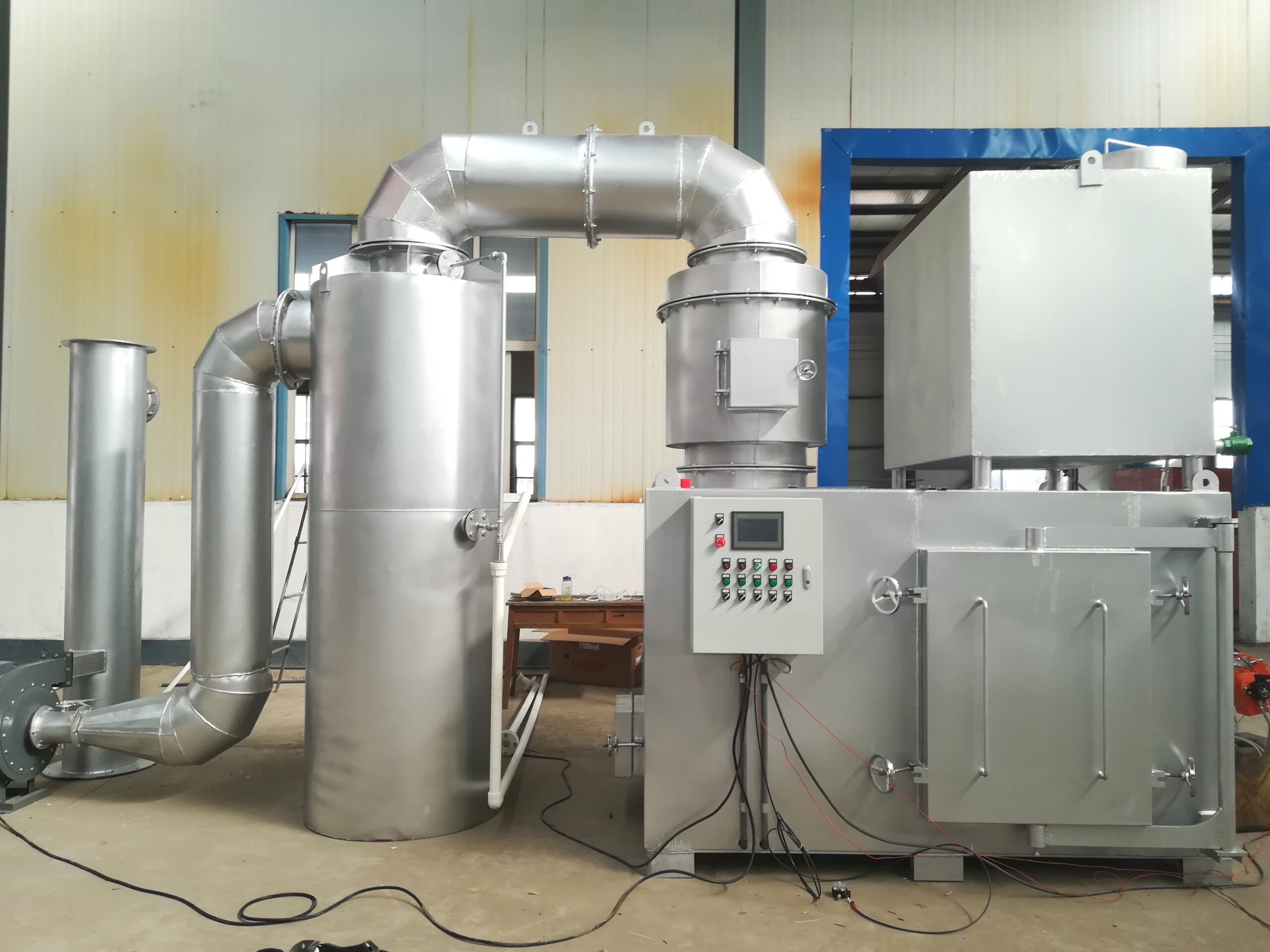
In a world increasingly focused on sustainable waste management solutions, the utilization of effective waste incineration equipment is vital. With growing concerns about environmental impact, public health, and regulatory compliance, the demand for innovative solutions has never been greater. Among the many options available, the Drum Cyclonic Barrel Portable Incinerator stands out as a cutting-edge solution designed to meet the diverse waste disposal needs of hospitals, government agencies, and NGOs.
Challenges in Waste Management and Incineration

The challenges associated with waste management in urban centers and remote locations are multifaceted. For example, hospitals generate a significant amount of hazardous waste, including medical instruments and contaminated materials. Additionally, disaster relief operations in rural areas require efficient waste disposal mechanisms to prevent environmental disasters while adhering to strict safety standards.
In recent years, the rise in waste generation from border control operations, notably in customs and immigration, has also necessitated quick, compliant waste disposal solutions. The Drum Cyclonic Barrel Portable Incinerator is engineered to cater to these needs, presenting a flexible and mobile solution that can be easily transported and set up even in challenging environments.
Technical Design Features of the Drum Cyclonic Barrel Incinerator
Understanding the technical configuration of the Drum Cyclonic Barrel Portable Incinerator is crucial for comprehending its operational advantages. This innovative equipment employs a dual-chamber design that enhances thermal efficiency and improves combustion. The primary chamber is responsible for initiating the burn process, while the secondary chamber ensures the complete combustion of any residual gases and particulates.
- Cyclonic Burn Technology: This feature promotes complete combustion through accelerated airflow, leading to higher temperatures and a reduction in emissions.
- Refractory Lining: High-quality refractory materials are used to insulate the incinerator, optimizing burn temperatures and increasing fuel efficiency.
- Mobility: Designed for quick deployment, this incinerator can be transported easily, making it ideal for emergency situations or remote operational locales.
Other notable features include an integrated fuel system that allows multiple fuel types, including diesel, ensuring adaptability in different scenarios. This versatility makes the incinerator an invaluable asset for military operations, disaster response teams, and humanitarian missions.
Practical Applications and Field Scenarios
Hospital Waste Management
One compelling example of the Drum Cyclonic Barrel Portable Incinerator’s application is in hospital waste management. In major cities like Los Angeles and Tokyo, healthcare facilities face stringent regulations regarding the disposal of hazardous waste. The incinerator allows for on-site waste treatment, drastically reducing the risk of infection and environmental contamination.
Emergency Response Operations
In another scenario, humanitarian organizations responding to natural disasters in regions like Haiti or parts of Eastern Africa require immediate solutions for waste generated by displaced populations. The portable incinerator can be set up quickly to handle organic waste, medical supplies, and even biodegradable material, providing a critical service in ensuring hygiene and public health.
Environmental Compliance: A Focus on Safety and Standards
When considering any waste disposal solution, compliance with environmental regulations is paramount. The Drum Cyclonic Barrel Portable Incinerator has been designed with modern emissions standards in mind, ensuring it meets or exceeds requirements set by regulatory bodies. This includes:
- Meeting air quality emissions limits, ensuring volatile organic compounds (VOCs) are minimized.
- Having robust filtration systems to prevent harmful particulate matter from being released into the atmosphere.
- Following local and international guidelines for hazardous waste treatment, particularly in regions with rigorous enforcement.
For example, it meets EPA standards in the U.S., showcasing its reliability and efficiency for operators in various regions, from North America to Europe and beyond.
FAQs: Understanding the Drum Cyclonic Barrel Portable Incinerator
What types of waste can the incinerator safely process?
The Drum Cyclonic Barrel Portable Incinerator can efficiently incinerate medical waste, human and animal carcasses, biohazards, and general organic waste.
How does the incinerator compare to traditional waste disposal methods?
Unlike traditional landfill disposal, the incinerator significantly reduces the volume of waste and minimizes environmental impacts by converting waste into ash and gases, all while adhering to strict emissions guidelines.
Can the incinerator be used in remote locations?
Yes, its portable design allows for use in remote or rugged locations where accessibility to waste disposal facilities may be limited.
What safety features are integrated into the design?
The incinerator is equipped with advanced safety features, including automated temperature controls and heat-resistant materials, ensuring safe and effective operations.
How is the maintenance of the incinerator handled?
Regular maintenance includes checking refractory linings and ensuring that the fuel system functions correctly. The design allows for straightforward inspections and upkeep, suitable for operators in the field.
Conclusion
The Drum Cyclonic Barrel Portable Incinerator exemplifies innovation in waste disposal technology, combining advanced engineering with practical applications for various sectors, including healthcare and disaster relief. By prioritizing safety and environmental compliance, this incinerator addresses pressing global challenges in waste management while paving the way for more responsible disposal practices. As cities and organizations continue to grapple with waste disposal solutions, this equipment offers a viable answer to modern environmental concerns and operational efficiency.