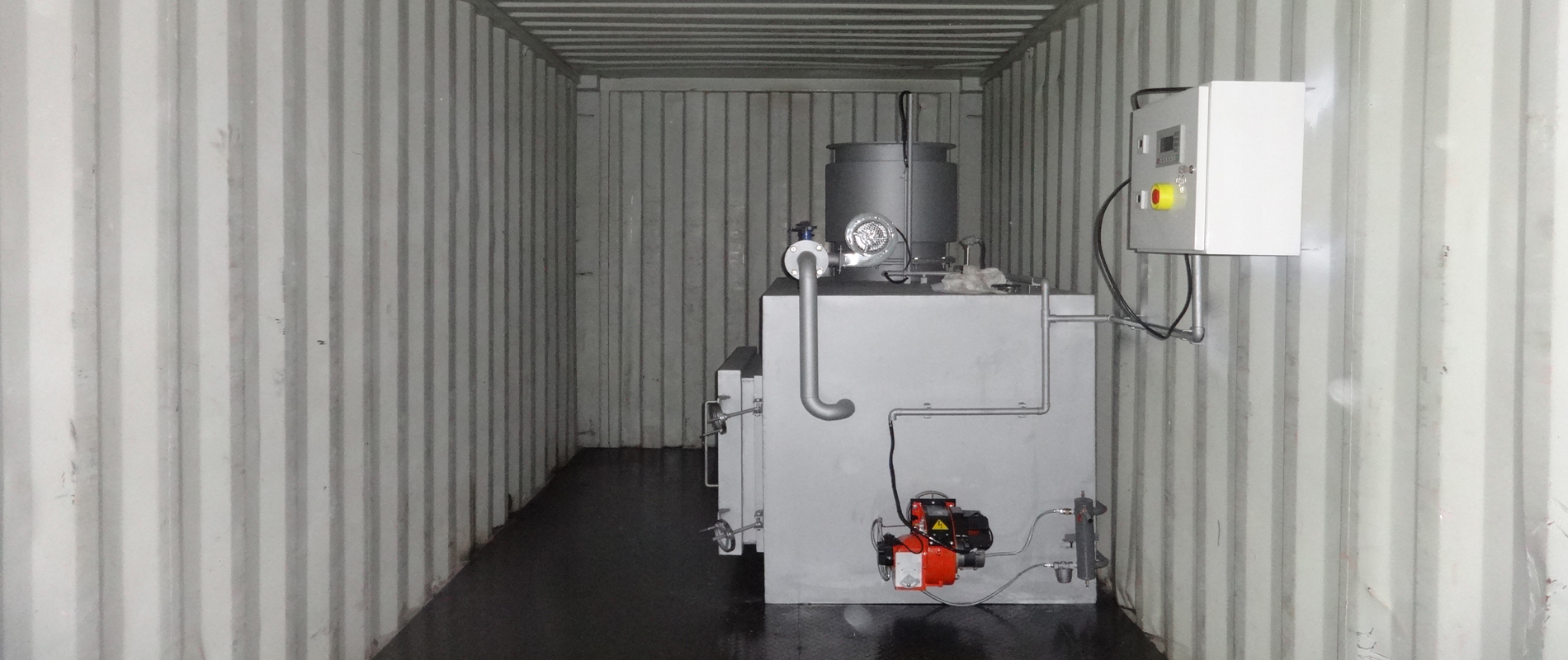
In today’s world, the challenge of waste management has become more pressing than ever. With rising population levels and environmental concerns, local governments and organizations are searching for viable solutions to manage waste effectively. Among these solutions, the use of temporary incineration systems, particularly the Drum Cyclonic Barrel Portable Incinerator, is gaining traction. This article evaluates how such incineration systems impact local communities, highlighting their features, practical applications, and compliance with environmental standards.
Understanding the Market Context

Waste management systems in many cities and towns are struggling to keep up with the influx of various types of waste. Traditional landfill operations are becoming unsustainable due to limited space and environmental degradation. Incineration presents itself as a promising alternative, offering higher efficiency in waste reduction and generating energy or heat from the waste process. Among the new innovations in this field, the Drum Cyclonic Barrel Portable Incinerator stands out due to its mobility and efficient design.
Technical Configuration of the Drum Cyclonic Barrel Portable Incinerator
At the heart of effective waste incineration lies a well-designed piece of equipment. The Drum Cyclonic Barrel Portable Incinerator features a dual-chamber system, optimizing thermal efficiency by ensuring maximum combustion of waste materials. Key components include:
- Cyclonic Burn Technology: Enhances airflow leading to efficient combustion.
- Refractory Lining: Protects the inner surfaces from extreme heat while enhancing durability.
- Mobility: Compact design that can be easily transported for use in various locations, including remote areas.
- Fuel System: Capable of operating on multiple types of fuel, increasing operational flexibility.
This unique configuration not only optimizes smoke emissions but also minimizes the creation of toxic by-products, differentiating it from traditional incinerators that often struggle with emissions control.
Field Scenarios: Practical Applications
Healthcare Settings: Managing Hospital Waste
Consider a hospital in a bustling urban area in the United Kingdom, where the management of medical waste is crucial. Using a Drum Cyclonic Barrel Portable Incinerator, the facility efficiently disposes of hazardous materials while ensuring compliance with local regulations regarding healthcare waste disposal. This portable solution reduces the risk of cross-contamination and protects public health.
Emergency Response: On-Site Waste Management
In scenarios of disaster relief, such as after a natural disaster, NGOs often deploy incinerators for effective waste management. For instance, during a humanitarian crisis in a rural village in India, portable incinerators were used to dispose of both organic and non-organic waste. This not only reduced the risk of disease outbreaks but also provided a clear path to improving community health and safety.
Environmental Compliance and Emissions Standards
Regulatory compliance is a significant consideration when implementing incineration systems. The Drum Cyclonic Barrel Portable Incinerator adheres to stringent emissions standards set forth by environmental agencies. For example, in the European Union, the Waste Incineration Directive (WID) mandates strict limits on emissions, necessitating technologies that ensure lower output of harmful pollutants.
This incinerator features an efficient filtration system to minimize dioxins, furans, and particulate matter, ensuring compliance while promoting community health. Moreover, the modular design allows for upgrades and retrofits to meet evolving environmental regulations, making it a future-proof solution.
Comparative Analysis: Incinerators vs. Traditional Methods
| Feature | Drum Cyclonic Barrel Portable Incinerator | Traditional Incinerators |
|---|---|---|
| Thermal Efficiency | High due to dual-chamber design | Often lower, affected by older technologies |
| Mobility | Portable; suitable for remote locations | Fixed installations; less adaptable |
| Compliance | Adheres to modern emissions standards | May not meet newer regulations without modifications |
Key Advantages of Portable Incineration Systems
Adopting portable incineration systems such as the Drum Cyclonic Barrel Portable Incinerator presents considerable advantages:
- Versatility: Can be used for diverse waste types including hospital waste, pet carcasses, and border evidence, making them ideal for military and NGO operations.
- Cost-Effectiveness: Reduces the need for transport to centralized waste disposal, saving on costs.
- Safety: Minimizes health risks associated with waste exposure, especially in emergency situations.
FAQs
What types of waste can the Drum Cyclonic Barrel Portable Incinerator handle?
The incinerator is designed to handle various types of waste including hospital waste, animal carcasses, and non-hazardous everyday waste. Its versatility allows for effective disposal in diverse settings.
How does this portable incinerator compare to traditional landfill methods?
Portable incineration is often more efficient than landfill methods, providing immediate waste reduction and minimizing long-term environmental impact.
Are there any emissions produced during the incineration process?
While emissions are produced, the Drum Cyclonic Barrel Portable Incinerator is engineered to meet stringent regulatory standards, significantly reducing the output of harmful pollutants.
Can this incinerator be transported easily?
Yes, its compact and lightweight design allows for easy transport, making it suitable for use in remote and disaster-affected areas.
What are the maintenance requirements for the incinerator?
The incinerator requires regular maintenance to ensure optimal performance, including cleaning and periodic checks of the filtration system to comply with emissions standards.
Conclusion
The Drum Cyclonic Barrel Portable Incinerator represents an innovative and effective solution for waste management challenges prevalent in local communities. By addressing the pressing need for environmentally compliant disposal methods, this portable system stands out in its technology and adaptability. As more organizations, hospitals, and local governments consider the benefits of efficient waste management, the role of temporary incineration systems continues to grow, ultimately contributing to healthier, cleaner environments.