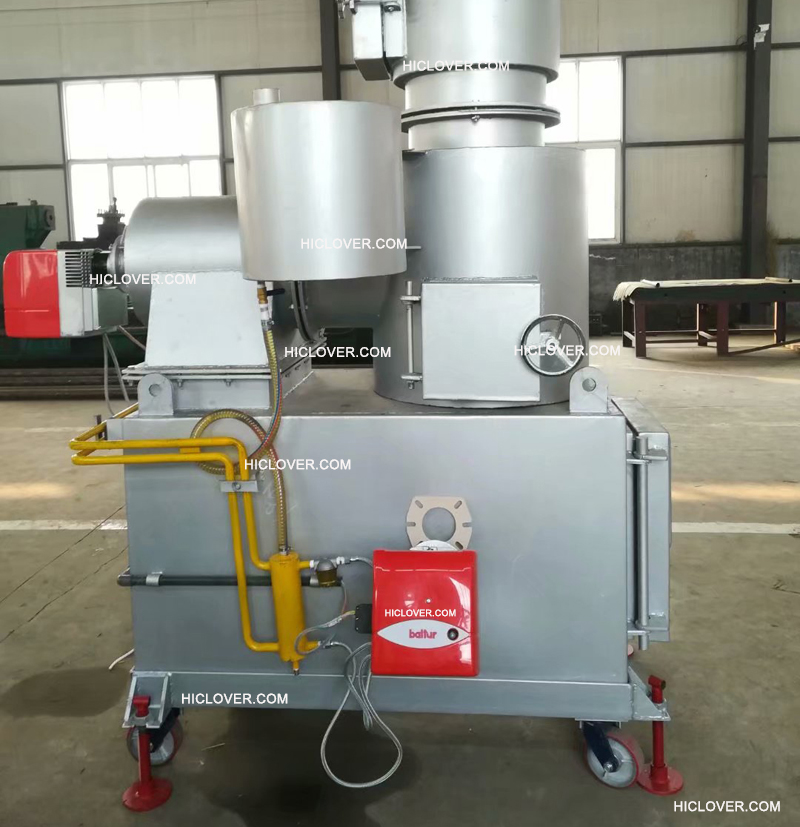
Tanzania has recently made a significant advancement in waste management with the introduction of its innovative Drum Cyclonic Barrel Portable Incinerator. As the nation strives to combat the growing challenge of biological waste disposal, this state-of-the-art equipment offers an effective solution to various sectors, including healthcare, agriculture, and disaster response. This article explores the technical aspects of the Drum Cyclonic Barrel Portable Incinerator, its practical applications, environmental compliance considerations, and how it represents a shift towards sustainable waste management in Tanzania.
The Waste Management Challenge in Tanzania

Waste management has become a pressing issue in Tanzania, especially in urban centers like Dar es Salaam and Mwanza, where the population growth contributes to a substantial increase in waste generation. Traditional waste disposal methods, including landfilling and open dumping, pose significant environmental hazards, leading to landfill overflow, soil contamination, and air pollution. In response, stakeholders in both the public and private sectors are seeking innovative technologies to tackle this challenge efficiently.
Technical Overview of the Drum Cyclonic Barrel Portable Incinerator
The Drum Cyclonic Barrel Portable Incinerator is designed to enhance thermal efficiency and reduce harmful emissions, making it ideal for the disposal of biological waste such as medical refuse, agricultural debris, and animal carcasses. This advanced incineration equipment features:
- Dual Chamber Design: The incinerator is configured with two chambers that allow for complete combustion and effective emission control.
- Cyclonic Burn Technology: This technology ensures thorough mixing of waste and air, facilitating an efficient combustion process that reduces residual ash.
- Mobility: Its compact design and lightweight structure enable easy transportation to remote locations, making it suitable for emergency response scenarios.
- Refractory Lining: Durable lining material enhances the incinerator’s longevity and thermal retention, ensuring optimal operating temperatures.
- Fuel System: The operation can be powered by various fuel types, allowing flexibility depending on the availability and cost of resources.
Real-World Applications
The Drum Cyclonic Barrel Portable Incinerator has shown remarkable effectiveness in various field scenarios:
- Healthcare Facilities: Hospitals across Tanzania are increasingly adopting this technology to safely incinerate medical waste, including needles, syringes, and contaminated materials. This not only mitigates health risks but also aligns with environmental mandates.
- Disaster-Relief Operations: In remote areas susceptible to natural disasters, NGOs have utilized the incinerator for rapid waste disposal. For instance, in humanitarian camps following floods or epidemics, the incinerator has served to manage biological waste, thus reducing the spread of disease.
Environmental Compliance and Emissions Standards
As global awareness of environmental issues increases, compliance with stringent emissions standards has become obligatory for waste management technologies. The Drum Cyclonic Barrel Portable Incinerator meets key regulatory requirements set by organizations including local environmental authorities in Tanzania and international standards. Its efficient burn rate and advanced filtration systems help minimize emissions of harmful substances.
Key compliance aspects include:
- Reduction of particulate matter and volatile organic compounds (VOCs).
- Monitoring of gases such as dioxins, furans, and heavy metals in emissions.
Investing in such technologies not only fulfills regulatory obligations but also builds community trust and confidence in public health measures.
Comparison of Incineration Technologies
To better understand the advantages of the Drum Cyclonic Barrel Portable Incinerator, consider the following comparison with traditional incineration equipment:
| Feature | Drum Cyclonic Barrel Portable Incinerator | Traditional Incinerator |
|---|---|---|
| Mobility | Highly portable; suited for remote locations | Fixed installations; limited mobility |
| Thermal Efficiency | High thermal efficiency due to cyclonic burn | Varies significantly |
| Emissions Control | Advanced dual chamber and filtration systems | Basic filtration; more emissions |
FAQs
- What types of waste can the Drum Cyclonic Barrel Portable Incinerator handle?
- This incinerator is designed for biological waste such as medical refuse, agricultural by-products, and animal carcasses.
- Is the Drum Cyclonic Barrel Portable Incinerator compliant with environmental regulations?
- Yes, it meets the environmental standards for emissions control set by local authorities in Tanzania.
- How efficient is the incineration process?
- The equipment maximizes thermal efficiency through cyclonic burn technology, ensuring that waste is incinerated completely with minimal residue.
- Can the incinerator be used in emergency situations?
- Absolutely! Its portability and quick setup make it ideal for disaster relief and field operations.
- What maintenance does the incinerator require?
- Regular checks are recommended to ensure the refractory lining and emissions control systems function optimally.
Conclusion: A Path Forward for Sustainable Waste Management
The introduction of the Drum Cyclonic Barrel Portable Incinerator in Tanzania marks a critical step towards sustainable waste management solutions. Its design not only addresses urgent biological waste disposal needs but also aligns with environmental compliance goals. As healthcare facilities, NGOs, and disaster-response units incorporate this advanced incineration technology, Tanzania can enhance public health and protect its natural environment. Embracing innovations in waste management is not just beneficial for today, but also essential for the health of future generations.