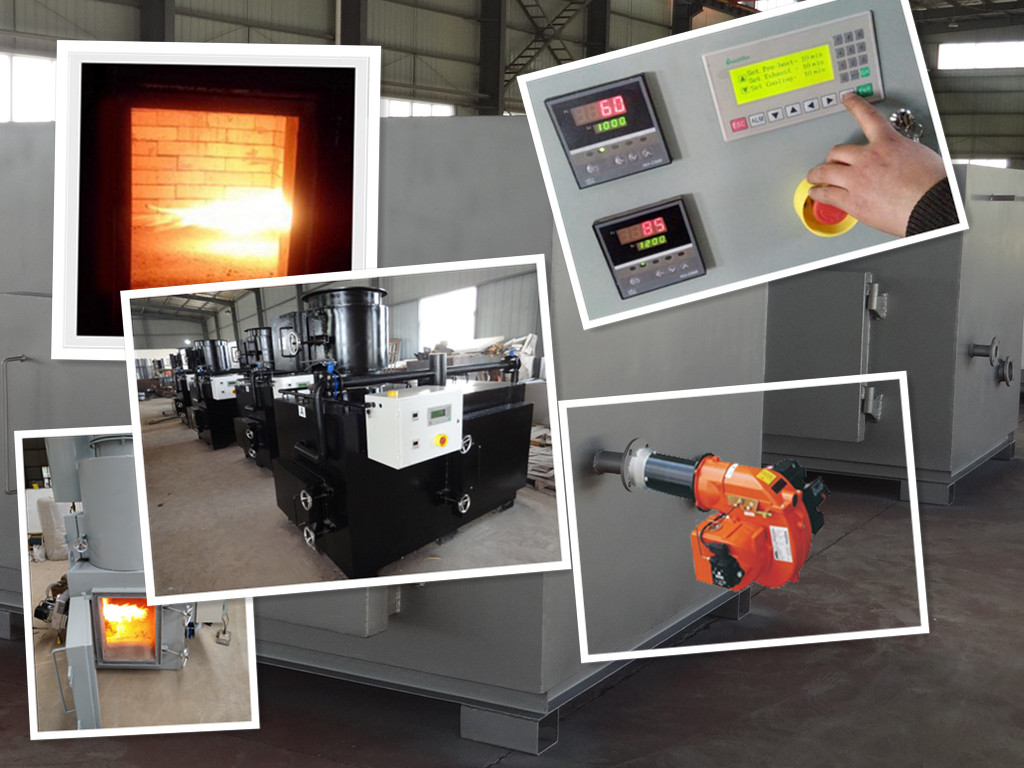
In today’s world, where waste management poses increasing challenges, efficient waste reduction techniques are paramount. Governments, hospitals, NGOs, and emergency services globally are seeking advanced solutions to manage hazardous and non-hazardous waste. Among the most innovative solutions is the portable Drum Cyclonic Barrel Incinerator, which stands out in the market due to its design and performance.
The Pressing Need for Effective Waste Management

Municipalities and organizations are facing escalating pressure to handle waste efficiently. In particular, hospitals generate a significant amount of biohazard waste daily, demanding immediate and effective disposal methods. Traditional incinerators, often stationary and energy-intensive, can struggle with efficiency, emissions control, and compliance with modern regulations.
The demand is growing for compact and efficient alternatives that can easily adapt to various operational fields, from hospitals to remote relief operations. As a solution, the Drum Cyclonic Barrel Portable Incinerator has emerged, incorporating scientific advancements that enable better thermal efficiency and emissions control.
Technical Explanation: The Drum Cyclonic Barrel Portable Incinerator
The Drum Cyclonic Barrel Portable Incinerator is a versatile piece of waste incineration equipment designed to perform in diverse environments while ensuring stringent compliance with emissions standards. Key features that set this technology apart include:
- Cyclonic Burn Technology: This innovative feature ensures complete combustion by creating a cyclone effect in the combustion chamber, maximizing heat distribution and resulting in reduced unburned residues.
- Dual Chamber Design: The incinerator’s dual-chamber configuration optimizes the combustion process, facilitating efficient gas and particulate matter reduction, enhancing the environmental performance.
- Refractory Lining: Its advanced refractory lining not only improves thermal efficiency but also ensures durability, allowing the system to withstand high temperatures during operation.
- Mobility: As a portable unit, the incinerator allows for rapid deployment in field operations, essential for disaster relief, quarantine measures in remote areas, or military operations.
Practical Applications and Field Scenarios
Real-world applications illustrate the capabilities of the Drum Cyclonic Barrel Portable Incinerator:
1. Hospital Waste Disposal
In urban centers like Nairobi and Mumbai, hospitals often face significant challenges in managing biohazardous materials. A prominent hospital in Nairobi adopted the Drum Cyclonic Barrel Incinerator to efficiently dispose of surgical waste. The mobility of the unit allowed for effective onsite disposal, limited handling of hazardous waste, and assurance that all materials were incinerated at high temperatures, significantly reducing the risk of disease transmission.
2. Emergency Response Operations
During natural disasters, rapid response is crucial. NGOs and disaster relief teams often operate in remote locations where traditional waste management isn’t feasible. In a recent flood response in Bangladesh, the Drum Cyclonic Barrel Portable Incinerator was deployed to incinerate animal carcasses and contaminated debris, curbing potential disease outbreaks. Its portability and effectiveness were pivotal in maintaining sanitary conditions during recovery operations.
Environmental Compliance and Emissions Standards
Environmentally responsible waste management is no longer optional but mandatory. The Drum Cyclonic Barrel Portable Incinerator is engineered to comply with international emissions standards, such as those set by the Environmental Protection Agency (EPA) and the European Union’s Waste Incineration Directive. It ensures that toxic fumes are adequately controlled, and particulates are minimized, meeting the rigorous environmental compliance standards required by governments and organizations worldwide.
Comparative Overview: Traditional vs. Modern Incineration Solutions
| Feature | Traditional Incinerators | Drum Cyclonic Barrel Incinerator |
|---|---|---|
| Mobility | Stationary | Portable |
| Emissions Control | Variable | High efficiency |
| Combustion Efficiency | Lower | Maximized via cyclonic technology |
| Installation | Complex | Simple, quick deployment |
Frequently Asked Questions (FAQs)
What types of waste can be incinerated using this technology?
The Drum Cyclonic Barrel Incinerator is capable of incinerating a variety of waste types, including medical waste, animal carcasses, and general sanitary waste, making it versatile for different sectors.
How does it compare environmentally to traditional waste disposal options?
This incinerator significantly reduces waste volume, controls emissions effectively, and minimizes the risk of pollution compared to traditional landfilling methods, which can leach toxins.
Is the operation of the Drum Cyclonic Barrel Incinerator user-friendly?
Yes, its design focuses on ease of use, requiring minimal operational training, and ensuring that personnel can efficiently manage waste disposal in various settings.
Can this incinerator operate in remote locations?
Absolutely. The portability and compact design make it ideal for operation in remote areas lacking infrastructure, such as disaster-stricken zones or on military deployments.
What is the expected lifespan of the incinerator?
With proper maintenance, the Drum Cyclonic Barrel Incinerator can last several years, primarily due to its durable refractory lining and robust construction designed for high-temperature operations.
Conclusion
As the challenges of waste management continue to evolve, the Drum Cyclonic Barrel Portable Incinerator stands at the forefront, merging innovation with practical applications. Its robust engineering responds effectively to the pressing needs of hospitals, NGOs, and environmental contractors in a variety of scenarios. By providing mobility, high combustion efficiency, and compliance with environmental standards, this incineration solution not only simplifies waste disposal but also plays a crucial role in ensuring public health and environmental safety.