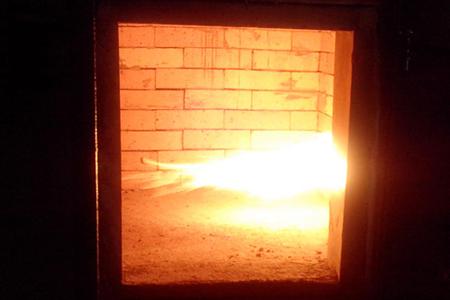
As the European Union intensifies its focus on sustainable waste management, the medical waste sector faces mounting pressures to innovate. Traditional disposal methods are becoming increasingly untenable, driven not only by regulatory requirements but also by the urgent need to mitigate environmental impact. The advent of advanced waste incineration equipment, such as the Drum Cyclonic Barrel Portable Incinerator, represents a revolutionary shift in how medical waste is handled across the continent.
The Challenge of Medical Waste Management

Medical facilities generate substantial quantities of hazardous waste daily, from used syringes to contaminated materials. Inefficient management of such waste poses significant risks to public health and the environment. Poor disposal methods can lead to disease transmission, land and groundwater contamination, and unprecedented levels of incineration residue.
In light of these challenges, the necessity for a robust solution is clear. The Drum Cyclonic Barrel Portable Incinerator is engineered to tackle these issues effectively. Its design not only addresses waste disposal efficiency but also assures operators of regulatory compliance with stringent environmental standards.
Technical Overview of the Drum Cyclonic Barrel Portable Incinerator
This state-of-the-art incinerator is a compact yet powerful solution for various sectors facing waste disposal issues. Key features include:
- Dual Chamber Design: Enhances thermal efficiency and enables complete combustion, reducing harmful emissions.
- Cyclonic Burn Technology: Ensures even heat distribution, allowing for effective material breakdown and minimizing unburned residue.
- Mobility: Its portable configuration allows for deployment in remote locations, making it ideal for emergency response, rural healthcare, and military operations.
- Refractory Lining: Improves structural integrity and enhances safety by preventing heat leakage.
- Adaptive Fuel System: Capable of using various fuels, ensuring versatility across different operational settings.
Practical Applications in Medical Waste Management
Consider a rural hospital in southern Italy struggling with its medical waste disposal due to insufficient refuse collection services. By integrating the Drum Cyclonic Barrel Portable Incinerator into its waste management program, the hospital could effectively eliminate hazardous materials on-site, thus reducing its environmental impact and alleviating concerns about public health risks.
In another scenario, a mobile field unit for disaster response operations in Eastern Europe utilized the same incinerator to swiftly manage medical waste following natural disasters. The incinerator enabled instant waste disposal within the affected community, preventing the spread of infections and simplifying logistics amid emergency conditions.
Environmental Compliance and Emission Standards
In the EU, strict directives govern waste management practices, particularly for hazardous materials. Regulations such as the Waste Framework Directive and the European Union Emissions Trading System (EU ETS) outline the legal obligations for waste treatment. The Drum Cyclonic Barrel Portable Incinerator adheres to these stringent compliance measures, providing operators confidence in operational sustainability.
By utilizing cyclonic combustion technology, the incinerator significantly reduces detrimental emissions, including dioxins and furans, aligning with the European Union’s emissions caps. This level of compliance not only fosters regulatory assurance but also promotes a cleaner environment and public health.
Comparison of Incineration Solutions
| Feature | Traditional Incinerator | Drum Cyclonic Barrel Portable Incinerator |
|---|---|---|
| Mobility | No | Yes |
| Thermal Efficiency | Moderate | High |
| Environmental Compliance | Sometimes | Yes |
| Fuel Versatility | Limited | Extensive |
Regional Impact: The EU Landscape
Across Europe, countries like Sweden, Finland, and Germany are at the forefront of integrating advanced waste management technologies. In Sweden, for example, nearly 100% of medical waste is accounted for, much of it being incinerated in high-efficiency plants. These nations are recognizing the need for innovative solutions like portable incinerators, particularly in remote areas or during emergency situations.
FAQs
What types of waste can the Drum Cyclonic Barrel Portable Incinerator process?
The incinerator is designed to handle a variety of medical waste types, including general hospital waste, hazardous material, pharmaceuticals, and animal carcasses.
How does this incinerator comply with EU regulations?
It features advanced emissions control mechanisms that align with EU standards, ensuring that the waste is treated without exceeding allowed emission limits.
What are the key advantages of using a portable incinerator?
Portability allows for on-site treatment of waste, eliminating transportation risks and associated costs, particularly in remote or disaster-affected areas.
Can the Drum Cyclonic Barrel Portable Incinerator be used in military operations?
Yes, its mobility and efficiency make it particularly suitable for military missions, disaster relief, and remote health clinics, allowing waste disposal in field conditions.
Is the incinerator safe to use?
Absolutely. It incorporates modern safety features, including refractory lining and comprehensive emissions controls, ensuring safe operation under various conditions.
Conclusion
The Drum Cyclonic Barrel Portable Incinerator represents not just an innovation in the medical waste management sector but also a commitment to environmental responsibility. Its emergence in the EU market highlights a shift towards more resilient, effective, and compliant waste disposal practices. As healthcare facilities, government agencies, and NGOs embrace this technology, they are not only addressing pressing waste management challenges but also leading the charge towards a more sustainable future.