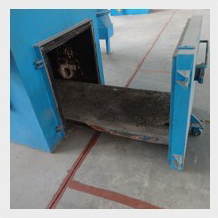
In Sudan, managing animal waste is becoming an urgent challenge as agriculture and livestock farming drive the economy. With increasing livestock numbers, inadequate disposal methods have caused significant environmental and health hazards. To address these issues, innovative solutions like the Drum Cyclonic Barrel Portable Incinerator are rapidly gaining traction. This article explores how this technology is turning waste into energy while emphasizing its unique attributes and practical applications.
Understanding the Role of Incinerators in Waste Management

Traditionally, animal waste management has relied heavily on landfilling or composting, both of which present risks of odor, pollution, and disease propagation. Incineration, particularly through modern technologies like the Drum Cyclonic Barrel Portable Incinerator, emerges as a superior alternative. This equipment facilitates effective thermal decomposition of animal waste, converting it into ash and gases while simultaneously recovering energy.
Product Features of the Drum Cyclonic Barrel Portable Incinerator
The Drum Cyclonic Barrel Portable Incinerator stands out due to its advanced design and operational capabilities. Here are some of its key features:
- Dual Chamber Design: Allows for enhanced combustion efficiency, minimizing unburned materials.
- Cyclonic Burn Technology: Ensures optimal airflow and maximum temperature, leading to complete waste incineration.
- Mobility: Its portable nature makes it ideal for rural areas and disaster-stricken regions where traditional setups are unaffordable or impractical.
- Emissions Control: Built with high-quality refractory lining and advanced filtration systems to meet international emissions standards.
- Fuel Efficiency: Designed to operate using minimal fuel while delivering maximum energy output.
Field Scenario 1: Remote Rural Areas
In regions of Sudan where livestock farming is prevalent, such as in Darfur, the Drum Cyclonic Barrel Portable Incinerator has been deployed to manage animal waste effectively. Local farmers have reported a significant reduction in health risks associated with unmanaged waste. By incinerating carcasses that may otherwise attract predators or disease, they not only protect their herds but also reduce the environmental footprint of their operations.
Field Scenario 2: Emergency Response
In a recent humanitarian effort, NGOs operating in Sudan utilized the Drum Cyclonic Barrel Portable Incinerator in refugee camps to dispose of animal waste safely. The rapid disposal capability integrated with energy recovery functionalities helped streamline waste management processes, while also providing heat energy that could be utilized in community kitchens. This demonstrates the flexibility and efficiency of the incinerator in addressing urgent waste disposal needs.
Environmental Compliance and Emissions Standards
The incineration of animal waste comes with its own set of challenges, particularly related to emissions. However, the Drum Cyclonic Barrel Portable Incinerator adheres to stringent environmental compliance regulations. Its advanced emissions control systems significantly reduce pollutants such as dioxins and furans that are typically associated with traditional incinerators.
For instance, the equipment is designed to meet standards set by the United Nations Environment Programme (UNEP) and local regulatory bodies in Sudan, thereby ensuring that the incineration process is responsible and sustainable. Compliance with these standards is crucial for facilitating international aid and ensuring that operations get minimal pushback from environmental advocates.
Advantages Over Traditional Incinerators
When comparing the Drum Cyclonic Barrel Portable Incinerator to traditional waste disposal methods, several advantages become readily apparent:
- Higher thermal efficiency leading to reduced operational costs.
- Minimal physical footprint, enhancing its applicability in remote or urban settings with space constraints.
- Integration of energy recovery improving overall sustainability and operational viability.
- Fewer emissions compared to standard incineration units, promoting environmental responsibility.
Frequently Asked Questions
What types of waste can be incinerated using the Drum Cyclonic Barrel Portable Incinerator?
The incinerator is primarily designed for animal waste, including carcasses, bedding materials, and other organic waste, making it ideal for farms and disaster response scenarios.
How does the drum incinerator contribute to energy recovery?
The advanced design allows for the conversion of waste into energy, which can be used for heating and power, enhancing the overall utility of the incinerator.
Is the drum incinerator compliant with regulations in Sudan?
Yes, the Drum Cyclonic Barrel Portable Incinerator meets local and international emissions standards, ensuring safe and environmentally-friendly operation.
Can this incinerator be used in urban settings?
Absolutely! Its compact design and low emissions make it suitable for urban environments where waste management is a critical issue.
What makes this portable incinerator different from stationary models?
The portability offers flexibility and adaptability for various settings — from rural farms to military operations — providing a significant advantage in emergency scenarios.
Conclusion
The rise of the Drum Cyclonic Barrel Portable Incinerator in Sudan exemplifies a transformative approach to tackling the challenges posed by animal waste management. As Sudan continues to grow in both agriculture and livestock sectors, innovative waste-to-energy technologies like this incinerator are pivotal for promoting health, sustainability, and compliance. Efforts to incorporate such solutions can lead to substantial environmental benefits and improved operational efficiencies, making it a worthwhile investment for various stakeholders including hospitals, NGOs, and government agencies. By adopting advanced waste incineration technology, Sudan can turn its challenges into opportunities for progress and sustainability.