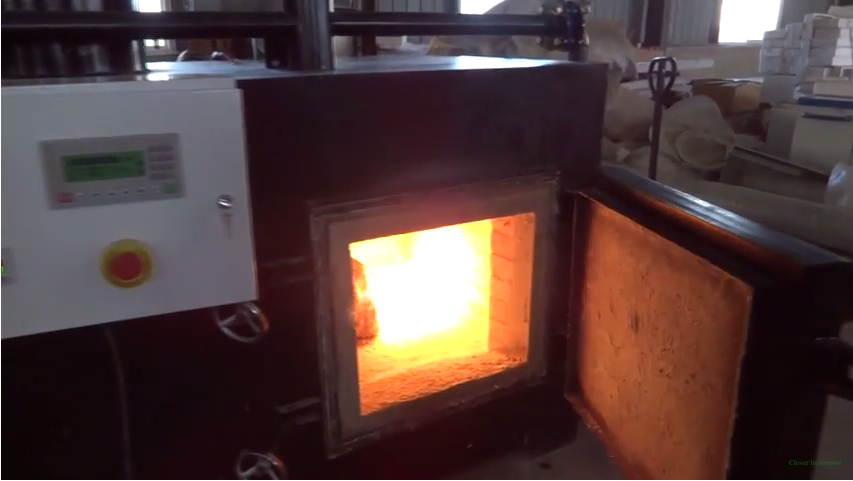
As Europe grapples with the twin challenges of increasing waste generation and stringent environmental regulations, rural communities are presented with unique challenges. Many of these areas lack access to comprehensive waste management systems, leading to the accumulation of waste and potential environmental hazards. Drum-type incinerators, particularly the Drum Cyclonic Barrel Portable Incinerator, have surfaced as an innovative solution that not only addresses waste management concerns but also turns waste into energy.
Addressing the Waste Management Challenge

In the European Union, rural areas often face diverse waste disposal issues, including agricultural by-products, hospital waste, and even general household refuse. Traditional waste management practices, such as landfilling or open burning, pose significant environmental risks, including air and groundwater pollution. This scenario emphasizes the need for effective, sustainable waste disposal solutions, ensuring compliance with the EU’s rigorous environmental standards.
The Cyclonic Barrel Approach: Technical Specifications
The Drum Cyclonic Barrel Portable Incinerator is designed for efficiency and mobility, making it ideal for rural applications. Below are key technical specifications:
- Design: Compact and portable, facilitating easy transport to various locations.
- Burning Capacity: Capable of incinerating up to 300 kg of waste per hour.
- Energy Recovery: Converts combusted materials into energy, which can be harnessed for local use.
- Dual Chamber System: Ensures complete combustion with minimal emissions.
- Cyclonic Burn Technology: Enhances thermal efficiency by promoting turbulence and complete oxygen mixing.
This innovative design enables users to efficiently manage waste while adhering to stringent emissions regulations, making rural waste disposal both effective and environmentally friendly.
Real-World Applications of Drum-Type Incinerators
Example 1: Emergency Response in Rural Areas
In a recent operation within a rural community in Poland, the necessity for effective waste disposal solutions became apparent following a series of adverse weather events. Temporary housing units were established, leading to increased waste from construction and food services. Utilizing a Drum Cyclonic Barrel Portable Incinerator, emergency responders efficiently managed waste, ensuring public health safety while generating energy for heating the temporary facilities.
Example 2: Agricultural Waste Reduction in Spain
In Spain, a remote agricultural community faced challenges with the disposal of organic waste, including crop residues and livestock by-products. By deploying a Drum-type incinerator, these rural farmers converted this waste into energy, significantly reducing the expense and environmental concerns associated with traditional disposal. The local government reported a 60% decrease in waste-related complaints, showcasing the incinerator’s effectiveness.
Compliance with Environmental Standards
When it comes to waste disposal, compliance with emissions standards is of paramount importance. The EU has stringent regulations concerning air quality and waste management, including the Waste Framework Directive (WFD) and the Industrial Emissions Directive (IED). The Drum Cyclonic Barrel Portable Incinerator is designed to meet or exceed these regulatory requirements, including:
- Preventing hazardous emissions such as dioxins and furans.
- Maintaining particulate matter below legal limits.
- Complying with the European standards for combustion efficiency and emissions reduction.
This ensures that rural communities not only tackle their waste management issues but also contribute positively to the environmental landscape of the EU.
Comparative Analysis: Drum Cyclonic Barrel vs. Traditional Incinerators
| Feature | Drum Cyclonic Barrel Portable Incinerator | Traditional Incinerators |
|---|---|---|
| Mobility | Highly Portable | Stationary |
| Thermal Efficiency | High (Dual Chamber) | Medium |
| Emissions Control | Advanced Cyclonic Technology | Basic Filtering |
| Capacity | Up to 300 kg/hr | Varies, often less efficient |
Boosting Environmental Responsibility: A Call to Action
The significance of employing advanced waste management technologies cannot be overstated. As rural communities in the EU confront mounting waste challenges, promoting solutions like the Drum Cyclonic Barrel Portable Incinerator is crucial. Not only does it ensure effective waste disposal, but it also fosters community growth, energy recovery, and environmental compliance.
Frequently Asked Questions (FAQs)
1. What types of waste can be incinerated using a Drum Cylonic Barrel Portable Incinerator?
The incinerator is designed for various waste forms, including hospital waste, agricultural residues, and even pet carcasses. However, hazardous waste types may require specialized handling.
2. How does the incinerator ensure compliance with EU environmental standards?
Through advanced cyclonic burn technology and a dual-chamber system, the incinerator maintains combustion efficiency and restricts harmful emissions to meet regulatory frameworks.
3. Can the Drum Cyclonic Barrel Portable Incinerator be used in emergency response scenarios?
Yes, its portability and efficient design make it an ideal solution for emergency situations, allowing rapid deployment to manage waste in crisis conditions.
4. What energy recovery options are available from the incinerated waste?
The energy produced during combustion can be harnessed for heating and possibly power generation, providing additional benefits to local communities.
5. Is the Drum Cyclonic Barrel Portable Incinerator suitable for military or field operations?
Absolutely. Its mobility and efficiency make it an effective tool for military operations, humanitarian missions, and disaster relief efforts in remote areas.
The Future of Waste Management in Rural EU Communities
Employing innovative solutions such as the Drum Cyclonic Barrel Portable Incinerator offers a transformative path for rural communities facing waste disposal challenges. By integrating advanced technology into everyday practices, these areas can achieve operational efficiency, compliance with environmental regulations, and an enhanced quality of life for residents. As awareness grows regarding the potential of waste-to-energy systems, the role of such systems becomes increasingly vital. Investing in effective waste disposal solutions is not just an environmental responsibility; it is an avenue for energy independence, economic growth, and community resilience.