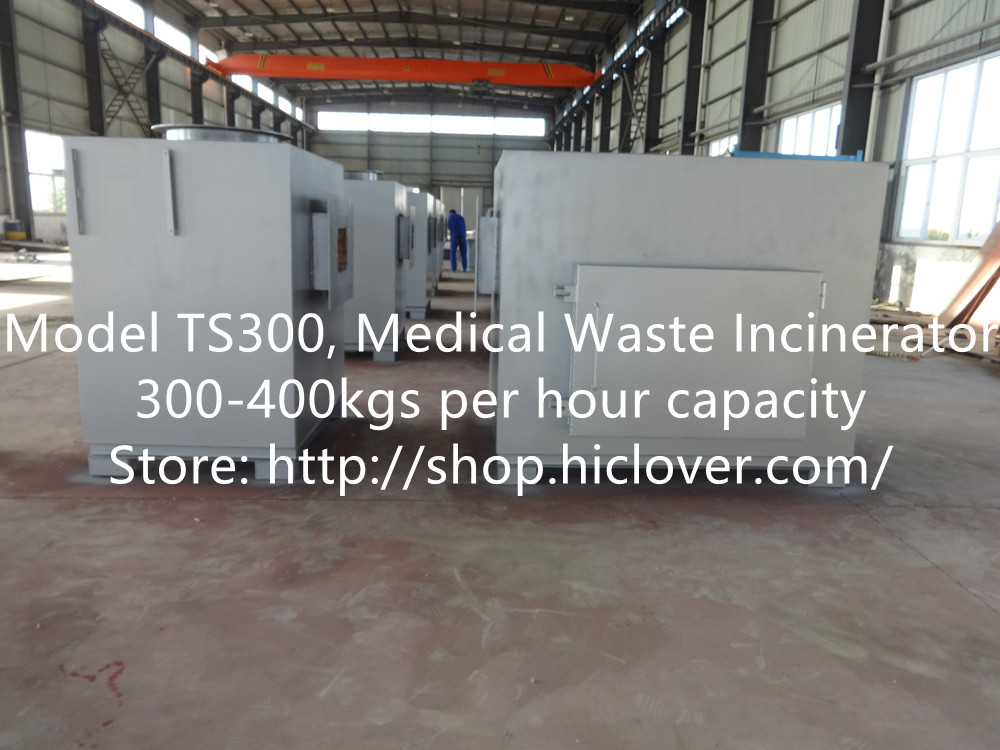
As global displacement continues to rise, effective waste management in refugee camps is becoming increasingly crucial. Stripped of conventional waste disposal options, camps face unique challenges concerning sanitation and environmental health. Incineration has emerged as a viable solution, particularly with technologies such as the Drum Cyclonic Barrel Portable Incinerator, which offer compact, efficient designs tailored for challenging environments. By turning waste into hope, these incinerators play a pivotal role in safeguarding the health of displaced communities.
Understanding Waste Management Challenges in Refugee Camps

Refugee camps house thousands of people, often in remote rural areas, where local waste management systems collapse under the pressure of sudden population surges. Hospitals, NGOs, and government agencies face the daunting task of managing various types of waste, including medical, organic, and plastics. Conventional landfilling is often impractical due to space constraints and the need for swift action. At this juncture, incineration becomes not just valuable but imperative.
The Drum Cyclonic Barrel Portable Incinerator: Design and Function
The Drum Cyclonic Barrel Portable Incinerator is designed for adaptability and effectiveness in various scenarios, especially in the context of refugee camps. Its unique configuration comprises a dual chamber system that enhances thermal efficiency and ensures complete combustion of diverse waste types. The incinerator employs a cyclonic burn method which maximizes airflow and flame visibility, significantly reducing emission levels while optimizing burn temperature.
- Mobility: Designed for easy transport, it can be relocated without heavy machinery.
- Fuel System: It operates efficiently with various fuels, including diesel, ensuring versatility in resource-scarce environments.
- Refractory Lining: This lining increases durability and enhances heat retention, promoting further fuel efficiency.
Real-World Applications: Scenarios of Hope
Around the globe, the use of the Drum Cyclonic Barrel Portable Incinerator in UN refugee settings has yielded positive outcomes. Here are two notable examples:
Example 1: The Zaatari Refugee Camp, Jordan
At Zaatari, one of the largest refugee camps in the Middle East, managing waste efficiently is a core concern. The introduction of portable incinerators has enabled the effective disposal of medical waste from temporary clinics, reducing potential health hazards within the camp. The swift action and capability of the Drum Cyclonic Barrel Portable Incinerator to operate amidst limited infrastructure have proven invaluable.
Example 2: Cox’s Bazar, Bangladesh
In Cox’s Bazar, where thousands of Rohingya refugees reside, the uncontrolled accumulation of waste poses significant public health risks. Deploying these portable incinerators has facilitated the effective management of waste disposal, notably for hazardous items like used syringes and contaminated materials. The camp’s health services have reported lower incidences of waste-related diseases since the implementation of this incinerator technology.
Emissions Standards and Environmental Compliance
As incineration can be contentious due to potential emissions, it is essential for operators to comply with international regulations and emissions standards. The Drum Cyclonic Barrel Portable Incinerator is designed with emissions control features that align with guidelines set by the World Health Organization (WHO) and the United Nations Environment Programme (UNEP). Key aspects include:
- Low dioxin emissions: Properly maintained incinerators minimize harmful emissions, making them suitable for sensitive environments.
- High combustion efficiency: Tightly controlled combustion processes ensure that most pollutants are fully oxidized.
- Real-time monitoring: Some configurations can include monitoring systems to ensure compliance with emission standards.
Regional References and Compliances
Countries such as Turkey, Bangladesh, and Lebanon have been at the forefront of utilizing portable incineration technologies within UN camps. Recognizing the urgent need for sustainable waste management, local authorities and NGOs often collaborate to ensure these incinerators meet the necessary safety and environmental compliance standards.
FAQs about Drum Cyclonic Barrel Portable Incinerator
Q1: What types of waste can the Drum Cyclonic Barrel Portable Incinerator handle?
A1: It is capable of incinerating medical waste, organic material, plastic, and small animal carcasses, making it versatile for various waste types.
Q2: How does the cyclone technology enhance efficiency?
A2: Cyclonic burn technology promotes better air mixing and higher temperatures, ensuring more complete combustion and reducing environmental impact.
Q3: Is it compliant with international emissions standards?
A3: Yes, the incinerator is built to adhere to WHO and UNEP emissions guidelines to ensure environmental safety.
Q4: How portable is the incinerator?
A4: Its lightweight design and built-in handles allow for easy transportation, making it ideal for rapidly changing field conditions.
Conclusion: A Future Built on Innovation and Responsibility
Amidst the escalating challenges of waste management in refugee settings, technologies like the Drum Cyclonic Barrel Portable Incinerator offer a beacon of hope. By transforming garbage into clean energy and minimizing health risks, these incinerators represent not just a practical solution but also a commitment to sustainable development. As government agencies, NGOs, and health organizations work together, integrating such innovative waste management solutions can foster healthier and more resilient communities. Embracing these advancements not only aids immediate crisis response but also lays the groundwork for a more hopeful future.