The proper disposal of medical waste remains a critical challenge for healthcare facilities across the globe. With increasing awareness about environmental compliance and public health, understanding how advanced incineration technologies can provide a solution is paramount. Among these technologies, the Drum Cyclonic Barrel Portable Incinerator stands out due to its compact design and high thermal efficiency. This article explores the operations and benefits of drum incinerators in handling medical waste, addressing key environmental concerns and showcasing practical applications.
The Growing Need for Efficient Medical Waste Disposal

Medical facilities, including hospitals and clinics, generate a myriad of waste types, many of which are classified as hazardous. The improper disposal of this waste poses significant risks to public health and the environment. Traditional waste management methods, like landfilling or incineration in outdated systems, can lead to harmful emissions and residues. This reality emphasizes the demand for innovative incineration equipment that meets stringent regulations and minimizes ecological impact.
Overview of the Drum Cyclonic Barrel Portable Incinerator
The Drum Cyclonic Barrel Portable Incinerator is engineered to tackle the challenges posed by the disposal of medical waste. Its innovative design incorporates several features that enhance incineration efficiency:
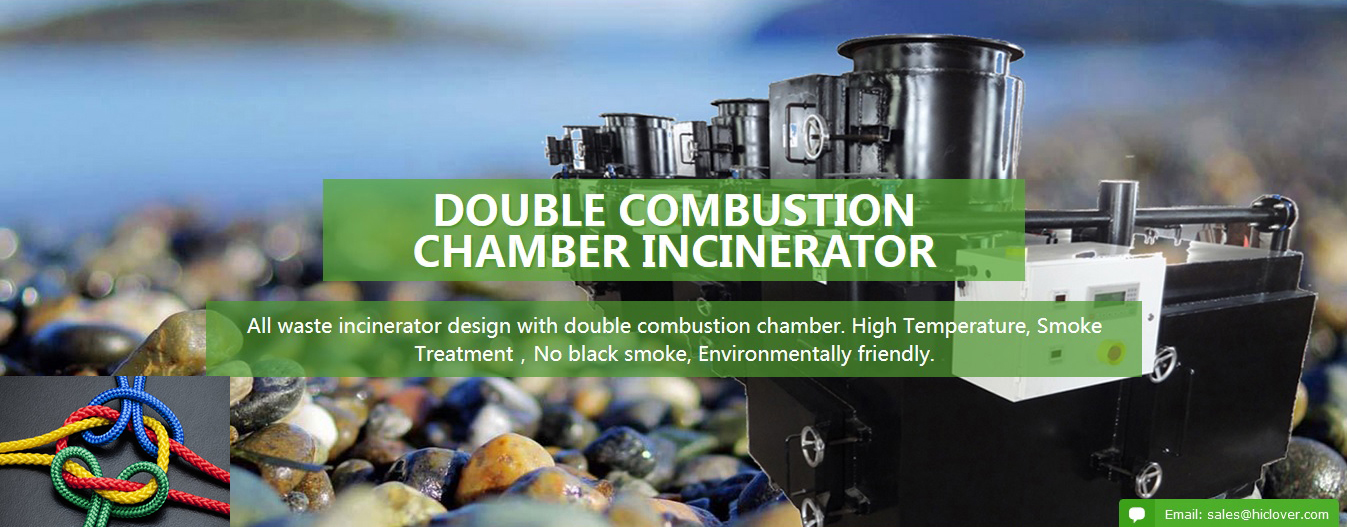
- Dual Chamber Design: This configuration separates the primary burn chamber, where waste is incinerated, from the secondary chamber, which ensures complete combustion of gases and reduces emissions.
- Cyclonic Burn Technology: This method promotes optimal fuel mixing and increases combustion temperature, ensuring that all medical waste is effectively incinerated.
- Mobility: As a portable solution, it can be deployed quickly in various settings, including remote rural areas and for emergency response situations.
- Environmental Compliance: Built to meet or exceed stringent environmental regulations, it incorporates advanced emissions control features.
How Does the Incineration Process Work?
The incineration process within a drum incinerator is both efficient and systematic. Initial loading involves placing medical waste, such as sharps, biohazard materials, and animal carcasses, into the primary chamber. As the chamber ignites, the unique cyclonic system enhances the burn by facilitating consistent air flow and ensuring complete combustion. The combustion temperatures can reach more than 1000°C, effectively breaking down harmful pathogens and chemicals.
Once the waste is incinerated, gases are directed into the secondary chamber where they undergo further oxidation. This step helps to eliminate volatile organic compounds (VOCs) and other harmful emissions, ensuring that what is released into the atmosphere aligns with environmental standards.
Real-World Applications of Drum Incinerators
Real-life scenarios highlight the efficacy of drum incinerators in various settings:
Scenario 1: Hospital Operating Room Waste Management
In a bustling urban hospital in New York, the operating rooms generate substantial amounts of medical waste daily, including surgical scraps and biological materials. The hospital faced stringent waste disposal regulations and associated costs. By introducing a portable Drum Cyclonic Barrel Incinerator, they streamlined their waste disposal processes, maintaining compliance with local environmental regulations while also reducing transport costs associated with waste removal.
Scenario 2: Emergency Response in Disaster Relief
During a recent humanitarian crisis, a non-governmental organization responded rapidly by setting up an emergency healthcare facility in a remote area of Uganda. They required an efficient method for handling medical waste generated by field operations. Utilizing a drum incinerator allowed them to dispose of hazardous materials on-site, ensuring the safety of patients and healthcare workers while minimizing environmental impact.
Compliance with Environmental Standards
Environmental compliance regarding emissions is critical for any incineration system, particularly in healthcare applications. Drum Cyclonic Barrel Incinerators are designed to meet international standards such as:
- EPA Regulations: Ensuring stringent guidelines for dioxin and furan emissions.
- EU Standards: Complying with European Waste Incineration Directive (WID) limits.
- WHO Recommendations: Adhering to global health recommendations regarding medical waste management.
These compliance measures assure healthcare facilities, governments, and environmental agencies that advanced incinerators can manage medical waste responsibly while minimizing emissions.
FAQs about Drum Incinerators
What types of medical waste can be incinerated?
Drum incinerators can effectively manage a wide range of medical waste, including sharps, contaminated materials, pharmaceuticals, and animal carcasses.
How does a drum incinerator differ from traditional incinerators?
The Drum Cyclonic Barrel Portable Incinerator boasts enhanced thermal efficiency, mobility for on-site operations, and advanced emissions control compared to traditional systems, which may lack these vital features.
Can drum incinerators be used in remote locations?
Yes, one of the primary advantages of the drum incinerator is its portability, making it suitable for use in rural or disaster-hit regions.
What are the key advantages of cyclonic burn technology?
Cyclonic burn technology ensures thorough combustion, minimizes smoke, and significantly reduces unburnt residues, leading to lower emissions and environmental impact.
Are there specific certifications required for using an incinerator?
Yes, users must adhere to local and international regulations regarding waste management and emissions. It is crucial to ensure that the incinerator is certified to operate within such guidelines.
Conclusion
The management of medical waste is a pressing concern that requires immediate attention, particularly in today’s health-conscious society. Drum Cyclonic Barrel Portable Incinerators provide an effective solution for hospitals, emergency response teams, and environmental contractors alike. With their advanced features, environmentally compliant standards, and real-world adaptability, these incinerators are revolutionizing waste management practices. Investing in such innovative incineration equipment not only addresses public health concerns but also paves the way towards sustainable waste management.