
As Nairobi’s healthcare sector continues to adapt to modern challenges, the need for effective laboratory sterilization equipment grows increasingly urgent. Laboratories face practical biosafety challenges, such as contamination control and the demand for rigorous sterilization workflows. To meet these challenges, innovative solutions like the Micro Incinerator/Infrared Inoculating Loop Sterilizer are making a significant impact on laboratory practices across the city.
Understanding the Technical Principle Behind Infrared Sterilization
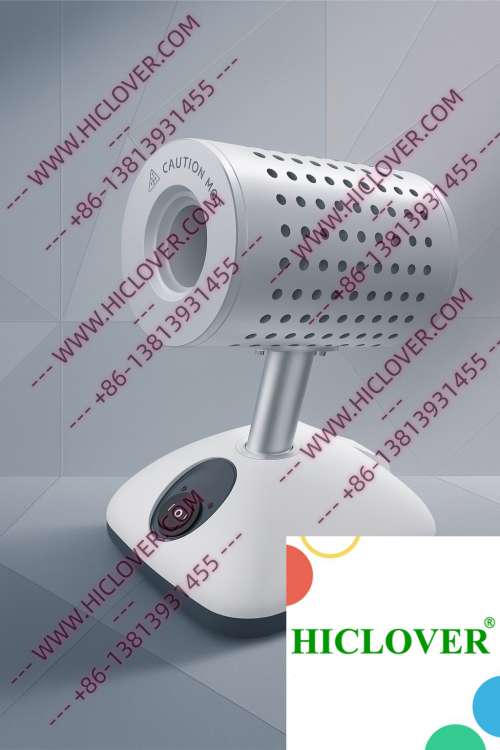
The Micro Incinerator operates using infrared heat technology, which offers rapid thermal sterilization without the flame-related hazards associated with traditional methods like alcohol lamps or Bunsen burners. In this device, an enclosed ceramic heating chamber provides high-temperature disinfection, maintaining a clean, safe environment for sterile maneuvers.
One of the remarkable features of the Micro Incinerator is its ability to generate intense heat quickly, often reaching temperatures above 800°C within seconds. This eliminates the need for open flames, significantly reducing the risk of fire hazards in sensitive laboratory settings. The heated ceramic tube effectively sterilizes inoculating loops and other tools while minimizing the release of aerosols, ensuring a safer workspace for laboratory personnel.
Key Applications of Micro Incinerators in Nairobi
The versatility of the Micro Incinerator allows it to be employed in various laboratory environments. Here are two practical application scenarios:
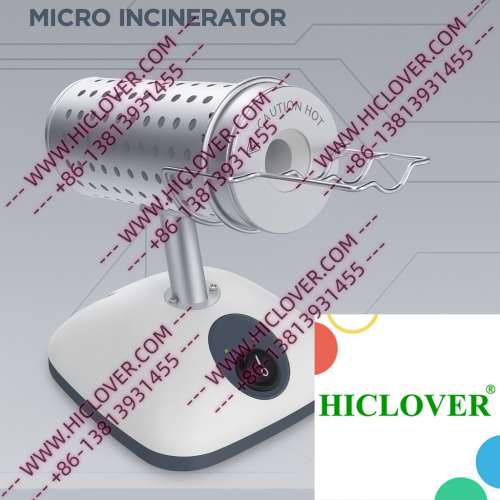
- Biosafety Cabinets: The Micro Incinerator fits seamlessly into biosafety cabinets (BSCs), providing a clean-bench-safe environment for sterilizing inoculating loops and other tools. This integration aids in preventing cross-contamination when working with high-risk pathogens in BSL-2 and BSL-3 labs, making it an essential component for clinical diagnostics and microbiological research.
- University Teaching Labs: In educational settings, the Micro Incinerator enhances the learning experience for students by demonstrating safe sterilization methods. By replacing traditional flame sterilizers, educators can focus on teaching sterile techniques without the associated risks of open flames, creating a safer learning atmosphere.
Compliance with Biosafety Standards
Meeting biosafety standards is critical for laboratories, especially in a rapidly developing healthcare landscape like Nairobi. The World Health Organization (WHO) has set guidelines for laboratory practices that prioritize the safety and health of workers and the environment.
Using a Micro Incinerator supports compliance with these standards by:
- Eliminating the use of open flames in clean rooms, which is essential for maintaining sterile conditions.
- Reducing aerosol generation during the sterilization process, crucial for working with airborne pathogens.
- Facilitating efficient waste management, aligning with laboratory sterilization standards.
Given the potential risks associated with traditional flame sterilization techniques, the advantages of using Micro Incinerators cannot be overstated. Laboratories can significantly enhance safety while ensuring compliance with national and international standards for biosafety.
Advantages of Micro Incinerators vs. Traditional Flame Sterilizers
When comparing Micro Incinerators to traditional flame sterilizers like alcohol lamps and Bunsen burners, several advantages become apparent:
| Feature | Micro Incinerator | Flame Sterilizers |
|---|---|---|
| Safety | No open flames; reduced fire hazards | Inherent fire risks; potential for burns |
| Efficiency | Rapid sterilization, high-temperature disinfection | Slower to heat; inconsistent temperatures |
| Aerosol Control | Aerosol-free handling | Aerosol generation; increased contamination risk |
| Ease of Use | One-button operation; minimal training required | More complex procedures; requires training |
FAQs About Micro Incinerators
What types of materials can be sterilized using a Micro Incinerator?
The Micro Incinerator is effective for sterilizing glass and metal inoculating loops, needles, and other laboratory instruments that must be free from contamination.
How quickly can a Micro Incinerator reach sterilization temperatures?
Micro Incinerators can reach high temperatures (over 800°C) in just a few seconds, significantly improving workflow efficiency in laboratory settings.
Is a Micro Incinerator suitable for use in field testing labs?
Yes! The compact design of the Micro Incinerator allows for easy transportation, making it a great option for mobile or field testing labs.
Does the Micro Incinerator require special installation or maintenance?
No, the unit is designed for straightforward operation and minimal maintenance, making it user-friendly even for those with little technical training.
Can a Micro Incinerator comply with WHO biosafety standards?
Absolutely! Utilizing a Micro Incinerator helps laboratories comply with WHO guidelines by ensuring a safer environment through the reduction of aerosols and elimination of open flames.
Conclusion
As Nairobi’s healthcare environment evolves, so must the tools employed in laboratory settings. The Micro Incinerator/Infrared Inoculating Loop Sterilizer not only addresses the immediate biosafety challenges but also aligns with compliance requirements for modern laboratories. With its rapid thermal sterilization capabilities, ease of use, and enhanced safety features, it stands as a transformative product for laboratories across Nairobi.
If you’re looking to elevate your laboratory sterilization practices, consider investing in a Micro Incinerator. Reach out to us today for more information and discover how you can make your laboratory safer and more efficient.
Categories:
Tags: