
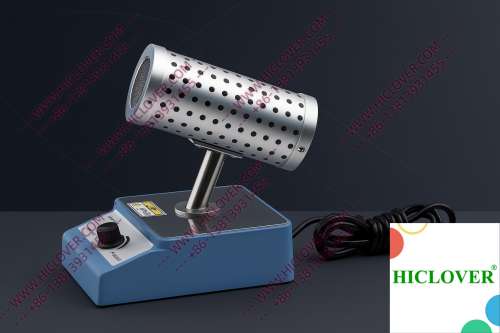
In the bustling laboratories of Dakar, where public health challenges are ever-present, maintaining strict biosafety protocols is crucial for safeguarding both laboratory staff and patients. Among these vital protocols is the need for effective sterilization equipment, especially in BSL-2 and BSL-3 microbiology labs. The Micro Incinerator, also known as the Infrared Inoculating Loop Sterilizer, stands out as a superior solution for enhancing patient safety through rapid and reliable sterilization.
Laboratory Sterilization Challenges
As laboratories in Dakar work tirelessly to address various health issues, including infectious diseases, the challenges of contamination control loom large. Traditional flame sterilizers such as alcohol lamps and Bunsen burners, while still common, often present drawbacks. These include the risk of flame-induced accidents, inadequate temperature control, and difficulties in maintaining a sterile environment, especially in clean rooms or biosafety cabinets.
Technical Principles of the Micro Incinerator
The Micro Incinerator operates on the principle of infrared heat generated within an enclosed ceramic tube. This advanced design enables the sterilization of inoculating loops and needles at temperatures exceeding 800°C, ensuring rapid thermal sterilization. The enclosed system not only eliminates flames, allowing for clean-bench-safe operations, but also significantly reduces the risk of aerosol generation, which can compromise the sterility of the laboratory environment.
Application Scenarios in Laboratories
1. Clinical Diagnostics in Hospitals
In clinical diagnostics, especially while dealing with infectious samples, the need for reliable sterilization is paramount. The Micro Incinerator allows laboratory technicians to quickly sterilize tools between sample handling, reducing the risks of cross-contamination. The quick heating capability ensures that workflow remains uninterrupted, enhancing efficiency without compromising safety.
2. University Teaching Labs
In educational settings, such as university teaching labs, the integration of the Micro Incinerator into the curriculum facilitates hands-on training in best practices for biosafety. Instructors can demonstrate proper sterilization techniques using the Infrared Inoculating Loop Sterilizer, helping students grasp the importance of maintaining sterile conditions in laboratory environments. Its portability makes it ideal for practical learning experiences in various lab configurations.
Compliance with Biosafety Standards
The WHO guidelines for laboratory biosafety and sterilization emphasize the need for using sterilization methods that do not generate harmful substances or flames in cleanroom environments. Flame sterilizers, while common, do not meet the strict requirements for many laboratory settings that demand an aerosol-free, non-flammable approach. In contrast, the Micro Incinerator adheres to recognized laboratory sterilization standards, ensuring a safe operating environment for laboratory personnel.
- Rapid thermal sterilization to minimize downtime
- Aerosol-free handling of instruments to protect the surrounding environment
- High-temperature disinfection that eliminates even the most resilient pathogens
Micro Incinerator vs. Traditional Flame Sterilizers
| Feature | Micro Incinerator | Flame Sterilizers |
|---|---|---|
| Temperature Control | Consistent, exceeds 800°C | Variable, depends on operator skill |
| Safety | No flame, lower risk of burns or fires | Open flame, can ignite nearby materials |
| Efficiency | Rapid heating, minimal waiting time | Longer heating time, potential interruption |
| Aerosol Generation | None | Potential for aerosolized pathogens |
Frequently Asked Questions
What is the operating temperature range of the Micro Incinerator?
The Micro Incinerator reaches temperatures above 800°C for effective sterilization, making it suitable for various laboratory applications.
How does the Micro Incinerator enhance laboratory safety?
By eliminating flames and preventing aerosol generation, the Micro Incinerator promotes a safer work environment while ensuring effective sterilization.
What are the primary use cases for the Micro Incinerator?
The Micro Incinerator is commonly used in clinical diagnostics, university teaching labs, and research environments requiring rigorous sterilization protocols.
Is the Micro Incinerator compliant with biosafety standards?
Yes, the Micro Incinerator adheres to WHO biosafety and sterilization standards, ensuring safe operations within laboratories.
Can the Micro Incinerator be used in mobile or field testing labs?
Absolutely! Its compact size and efficient sterilization capabilities make it ideal for field testing and laboratories on the move.
Conclusion
In a challenging healthcare landscape like Dakar’s, the importance of advanced sterilization equipment cannot be overstated. The Micro Incinerator / Infrared Inoculating Loop Sterilizer offers an unparalleled solution to enhance patient safety while meeting strict biosafety compliance standards. Transitioning from traditional flame sterilizers to this advanced technology will not only improve operational workflows but also contribute positively to the overall health landscape. For more information or to make a purchase inquiry, please contact us today.
Categories:
Tags: