
In the evolving landscape of laboratory waste management, the imperative for effective sterilization has never been more critical. Laboratories, whether they are conducting complex research or routine clinical diagnostics, face significant biosafety challenges. Traditional methods, including alcohol lamps and Bunsen burners, are yielding to innovative solutions like the Micro Incinerator, particularly in Melbourne’s modern laboratories. This cutting-edge equipment not only enhances sterilization workflows but also elevates compliance with stringent health standards.
Understanding Micro Incinerators
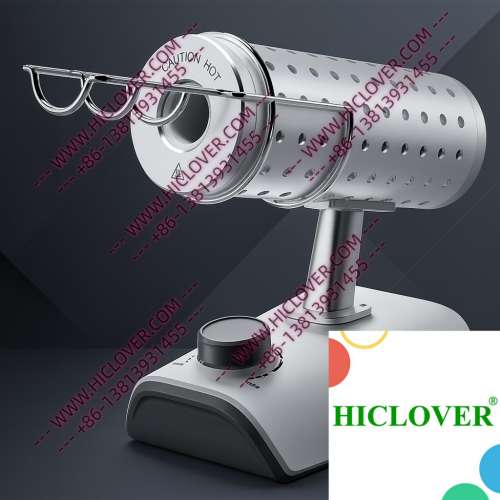
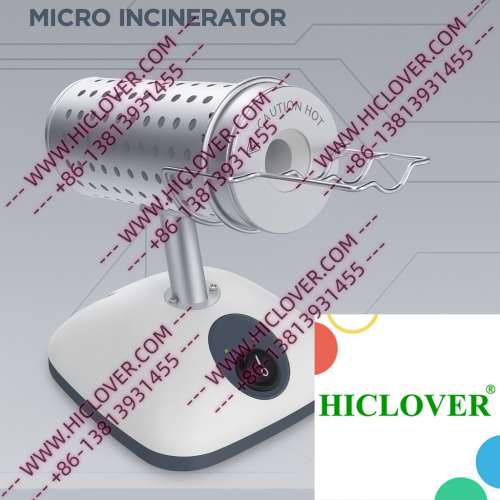
The Micro Incinerator, also known as the Infrared Inoculating Loop Sterilizer, embodies a technical marvel in the field of laboratory sterilization. Utilizing infrared heat within an enclosed ceramic tube, this device provides rapid thermal sterilization, ensuring effective disinfection without contamination risks. This mechanism allows it to achieve high temperatures almost instantaneously, making it ideal for quick sterilization of inoculating loops and other small instruments.
- Infrared Heating: Offers faster sterilization compared to traditional methods.
- Ceramic Heating Chamber: Ensures uniform temperature distribution.
- Compact Design: Fits seamlessly into any laboratory setup.
Applications in Real Laboratories
Micro Incinerators are proving invaluable in various laboratory settings, particularly in biosafety cabinets and teaching labs. Here are specific application scenarios:
Scenario 1: Biosafety Cabinet Usage
In BSL-2 and BSL-3 microbiology labs, where the risk of contamination is high, the Micro Incinerator offers a flame-free, aerosol-free handling solution. Researchers can quickly sterilize tools and inoculating loops within a biosafety cabinet without compromising the sterile environment. The rapid heat-up times reduce wait times, allowing scientists to focus more on their research and less on the sterilization process.
Scenario 2: Field Testing Operations
Mobile laboratories and field testing operations face unique challenges, particularly in remote locations. In these scenarios, the Micro Incinerator’s portability and ease of use are significant advantages. Its lightweight design allows for efficient transport and operation, providing reliable sterilization wherever needed. Environmental conditions, like wind or rain, no longer impede effective sterilization, ensuring that field researchers maintain biosafety standards.
Compliance and Environmental Considerations
Sterilization standards are paramount in guiding laboratory practices to ensure safety and compliance. The World Health Organization (WHO) has set clear protocols, emphasizing the importance of eliminating risk factors associated with conventional flame sterilizers.
“Flame sterilizers can introduce aerosols and uncontrolled combustion, particularly in clean rooms and sensitive environments. A flame-free sterilization approach is critical to maintaining a contamination-free space.” – Laboratory Standards Authority
Using Micro Incinerators not only aligns with WHO biosafety regulations but also meets international lab sterilization standards. These devices are designed with clean-bench safety in mind, effectively removing flame hazards associated with traditional alcohol lamps and Bunsen burners.
Micro Incinerator vs. Traditional Flame Sterilizers
| Feature | Micro Incinerator | Flame Sterilizers |
|---|---|---|
| Safety | Flame-free operation, reduces aerosol risk | Open flames introduce combustion hazards |
| Speed | Instant heat, rapid sterilization | Longer heating times, inconsistent sterilization |
| Portability | Compact and lightweight | Often bulky with fuel dependency |
| Usability | Simple one-step operation | Complex handling and setup |
Frequently Asked Questions
- What types of laboratories benefit most from a Micro Incinerator?
Micro Incinerators are ideal for BSL-2 and BSL-3 labs, teaching labs, and field testing environments requiring sterile conditions. - How does the Micro Incinerator achieve its sterilization?
The unit employs infrared heating within a ceramic tube, ensuring quick and efficient disinfection without the risk of flammable emissions. - Are Micro Incinerators compliant with WHO regulations?
Yes, they adhere to WHO biosafety standards, providing a safe and effective alternative to traditional flame sterilizers. - Can Micro Incinerators be used in cleanroom environments?
Absolutely, their flame-free design ensures they maintain the sterile conditions needed in cleanrooms. - What advantages does a Micro Incinerator have over traditional sterilizers?
Advantages include rapid sterilization, reduced contamination risks, portability, and compliance with safety standards.
Conclusion
The integration of Micro Incinerators in Melbourne’s laboratories marks a significant evolution in waste management strategies and sterilization procedures. By adopting these advanced devices, laboratories can enhance their biosafety protocols and streamline their sterilization workflows. If you’re interested in implementing a Micro Incinerator in your facility, reach out to us today to explore options tailored to your laboratory needs.
Categories:
Tags: