
The recent pandemic has underscored the critical need for effective laboratory sterilization equipment in maintaining biosafety standards. In Nairobi, where healthcare and research centers are at the forefront of pandemic response efforts, the demand for reliable sterilization solutions has surged. Traditional methods like alcohol lamps and Bunsen burners, while historically utilized, present practical laboratory biosafety challenges that can impede workflow and increase the risk of contamination.
Challenges in Laboratory Biosafety and Sterilization Workflows
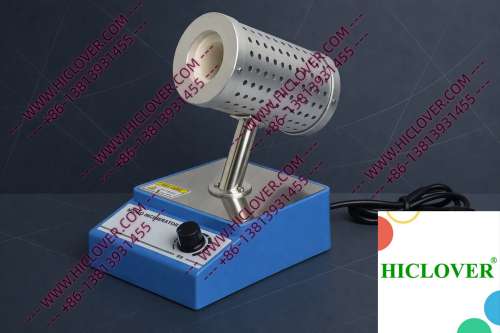
In high-stakes environments such as BSL-2 and BSL-3 microbiology labs, the potential for aerosol generation from flame-based sterilizers complicates the handling of infectious samples. Moreover, open flames pose inherent risks within clean bench environments, often leading to unsafe work practices and inconsistent disinfection results. To mitigate these risks, laboratories in Nairobi and across Kenya are increasingly turning to advanced solutions like the Micro Incinerator or Infrared Inoculating Loop Sterilizer, designed to provide rapid thermal sterilization without the hazards associated with flames.
Technical Principles of Infrared Inoculating Loop Sterilizers
The Micro Incinerator uses infrared heat generated within a specialized ceramic heating chamber to achieve high-temperature disinfection. Unlike traditional flame sterilizers, which can be slowed by environmental conditions and require constant supervision, the infrared mechanism provides consistent, targeted heating that eliminates microorganisms efficiently and quickly. The enclosed ceramic tube design ensures a directed heat source, reducing the risk of contamination and ensuring a clean working environment.
- Rapid Thermal Sterilization: Achieves temperatures exceeding 800°C in just seconds.
- Contamination Control: Prevents aerosol generation, making it ideal for biosafety cabinets.
- Environmentally Friendly: Eliminates the need for flammable substances like alcohol.
- What are the key benefits of using a Micro Incinerator in a lab setting?
It offers rapid sterilization, minimizes contamination risk, and adheres to biosafety protocols. - Can the Micro Incinerator be used in field testing applications?
Yes, its portability and safety features make it ideal for mobile lab environments. - How does the Micro Incinerator ensure compliance with WHO guidelines?
It eliminates open flames and aerosol generation, aligning with best practices for laboratory sterilization. - Is training required to use the Micro Incinerator?
While extensive training is not mandatory, basic instruction in operation and safety can enhance user confidence. - Where can I purchase a Micro Incinerator?
You can contact specialized laboratory equipment suppliers or distributors in Nairobi and across Kenya for purchase options.
Real-World Applications in Labs
One compelling application of Micro Incinerators is in clinical diagnostics laboratories. For instance, when analyzing patient samples for infectious diseases, maintaining sterility is paramount. Utilizing infrared inoculating loop sterilizers allows lab personnel to minimize contamination risk during procedures, fostering a safer environment for both staff and patients.
Another significant use case is within university teaching labs where students learn aseptic techniques. The Micro Incinerator provides a safe and effective means for sterilizing inoculating loops without the distractions and hazards associated with flames. Students can focus on mastering the skills vital for their future roles in public health without unnecessary safety concerns associated with traditional methods.
Compliance with Biosafety Standards
Nairobi’s health laboratories must adhere to stringent global and local biosafety standards to ensure public safety and effective disease control. The World Health Organization (WHO) recommends specific lab sterilization practices that emphasize aseptic techniques and contamination prevention. The Micro Incinerator helps laboratories comply with these biosafety standards, particularly by eliminating open flames in clean rooms. This aligns with lab sterilization protocols, which advocate for aerosol-free handling and the use of safe, reliable sterilization equipment in critical environments.
Advantages Over Traditional Flame Sterilizers
| Feature | Micro Incinerator | Flame Sterilizers |
|---|---|---|
| Temperature Control | Precise infrared heating | Variable, can be uncontrolled |
| Aerosol Generation | No aerosols | High risk of aerosol |
| Operational Safety | No flames, low risk | High risk due to open flames |
| Environmental Impact | No combustible materials needed | Relies on alcohol or fuel |
Frequently Asked Questions
Conclusion
As Nairobi continues to advance its public health initiatives, equipping laboratories with reliable sterilization solutions like the Micro Incinerator is crucial. With its ability to provide safe, efficient, and compliant sterilization, this technology stands out as a preferred choice in modern laboratories. For further information or to make a purchase, feel free to reach out to us to explore how the Micro Incinerator can enhance your laboratory’s sterilization capabilities.
Categories:
Tags: