
As laboratory environments become more complex and the demand for biosafety increases, scientists and technicians face numerous challenges in maintaining a sterile workspace. Rapid thermal sterilization and contamination control are critical to the integrity of research and clinical outcomes. With traditional flame sterilizers like alcohol lamps and Bunsen burners posing safety hazards and inefficiencies, laboratory professionals are increasingly turning to micro incinerator machines, particularly the Micro Incinerator / Infrared Inoculating Loop Sterilizer, to meet their sterilization workflow demands.
How Micro Incinerators Work
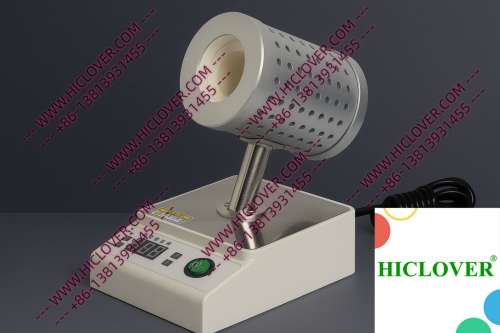
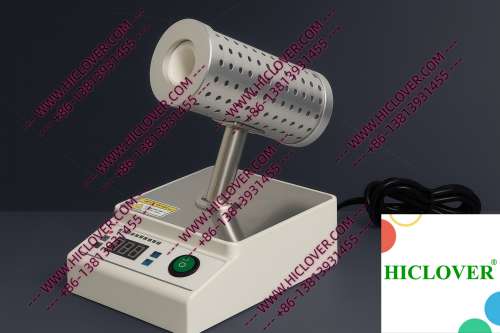
The Micro Incinerator relies on infrared heat for its sterilization process, which is housed within an enclosed ceramic heating chamber. This innovative design ensures that the temperature is consistently maintained, allowing for high-temperature disinfection without the risks associated with open flames. Unlike traditional sterilization methods, the Micro Incinerator can achieve rapid thermal sterilization, killing off microorganisms in mere seconds.
Advantages over Traditional Flame Sterilizers
- Enhanced safety: No open flame means a reduced risk of burns and fire hazards.
- Efficiency: Provides quicker sterilization cycles, saving valuable research time.
- Cost-effective: Reduces the need for disposable sterilization supplies, lowering long-term costs.
- Compact design: Ideal for small laboratory spaces, particularly urban settings where space is at a premium.
- Aerosol-free handling: Minimizes the risk of airborne contaminations, essential in high-biosafety labs.
- What is a micro incinerator?
A micro incinerator is a laboratory sterilization device that uses infrared heat to rapidly disinfect laboratory instruments without flames. - Are micro incinerators safe to use in BSL-2 laboratories?
Yes, micro incinerators are designed to operate safely within biosafety cabinets, making them suitable for BSL-2 and BSL-3 labs. - How long does it take to sterilize tools using a micro incinerator?
The sterilization process is typically achieved in seconds, depending on the type of instrument being sterilized. - Can micro incinerators be used in field testing?
Absolutly! Their compact design and ability to operate without open flames make them ideal for field testing scenarios. - Do micro incinerators comply with laboratory safety standards?
Yes, they meet various biosafety requirements, including those set by the WHO for laboratory safety and pathogen handling.
Real-World Applications
Micro incinerators are versatile tools that address the specific needs of various laboratory settings. Here are two key application scenarios where these machines shine:
1. Biosafety Cabinets
In BSL-2 and BSL-3 microbiology labs, where the risk of handling pathogenic organisms is present, the Micro Incinerator stands out as a sterile solution. When working within a biosafety cabinet, researchers employ the device to quickly sterilize inoculating loops and other tools. The infrared technology allows for an efficient workflow without exposing the samples to any flame-based contamination, making it an excellent partner in ensuring compliance with stringent laboratory protocols.
2. Field Testing and Teaching Labs
In mobile or field testing labs, where accessibility to electrical outlets and a steady gas supply may be limited, the Micro Incinerator offers a portable, safe, and reliable option for sterilization. In university teaching labs, instructors appreciate the ease of use and rapid results, ensuring that students can focus more on experiments rather than waiting for tools to cool down after being exposed to flames. Moreover, its portability makes it suitable for outdoor educational sessions.
Compliance with Safety Standards
As global standards for laboratory biosafety evolve, compliance with the World Health Organization (WHO) guidelines and local biosafety regulations is paramount. The Micro Incinerator supports adherence to these protocols, ensuring laboratories can operate under safe and controlled conditions. By eliminating the use of flames, which should not be employed in clean rooms or sterilized environments, the Micro Incinerator maintains the integrity necessary for conducting high-quality research.
How Micro Incinerators Compare to Flame Burners
| Feature | Micro Incinerator | Flame Burners |
|---|---|---|
| Safety | No open flames, reduced burn risk | Open flames, risk of burns and fire |
| Efficiency | Rapid sterilization in seconds | Longer heating times |
| Portability | Compact design, easy to transport | Bulky and often gas reliant |
| Contamination Control | Aerosol-free sterilization | Potential for airborne contaminations |
FAQs about Micro Incinerator Machines
Conclusion
In an increasingly complex lab environment, the Micro Incinerator / Infrared Inoculating Loop Sterilizer offers a superior alternative to traditional flame sterilizers. With rapid thermal sterilization capabilities, enhanced safety features, and compliance with global lab safety standards, it’s an invaluable asset for any laboratory. Whether serving BSL-2 labs, field testing, or educational spaces, these compact machines stand ready to facilitate efficient, safe, and effective sterilization. To learn more about how Micro Incinerators can enhance your laboratory workflows, contact us today!
Categories:
Tags: