
Veterinary laboratories face a multitude of biosafety challenges daily. With the rise of infectious diseases and contaminants, strict sterilization protocols are more critical than ever. Traditional sterilization methods, such as alcohol lamps and Bunsen burners, often lead to complications like incomplete sterilization and aerosol dispersal, which further increase contamination risks. These challenges have driven the demand for improved sterilization workflows, leading to the adoption of innovative techniques like the Micro Incinerator or Infrared Inoculating Loop Sterilizer.
Understanding Infrared Sterilization Technology
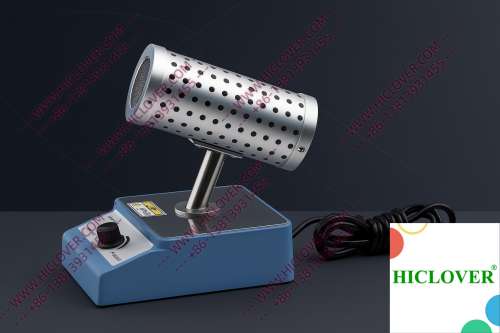
The Micro Incinerator utilizes cutting-edge infrared heat technology to ensure rapid thermal sterilization. Unlike conventional flame sterilizers, which can introduce a myriad of risks in the laboratory environment, this device operates within an enclosed ceramic tube. This configuration allows for a more controlled high-temperature disinfection process, providing a sterile environment without combustion-related hazards.
The operational principle behind the Micro Incinerator involves the use of an infrared heating element that quickly reaches the necessary temperatures to eliminate biological agents and contaminants, ensuring thorough sterilization. The enclosed design not only minimizes the risk of burns but also contains any potential gases or aerosols, which is particularly advantageous in BSL-2 and BSL-3 microbiology labs.
Application Scenarios in Real Labs
1. Biosafety Cabinets
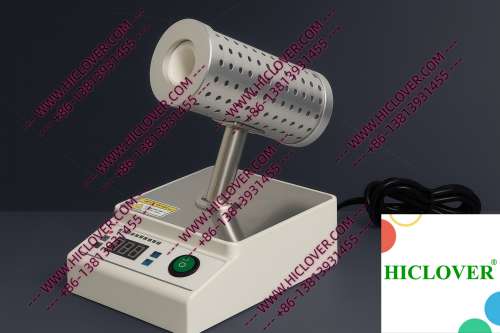
In a typical biosafety cabinet installation, researchers utilize the Micro Incinerator for loop inoculation procedures. The device’s portability and ease of use allow for quick sterilization of inoculating loops and surgical instruments within the sterile environment of the cabinet. As personnel work within this controlled space, the risk of contamination is significantly reduced, enhancing both results integrity and laboratory safety.
2. University Teaching Labs
In educational settings, such as veterinary and microbiology courses, the need for safe and effective sterilization techniques is paramount. The Micro Incinerator serves as an ideal tool for undergraduate and graduate students learning about laboratory procedures. With its simple operation, students can quickly sterilize equipment without the hazards associated with open flames, fostering a safer learning atmosphere while mastering critical techniques in microbiological experimentation.
Compliance and Environmental Considerations
Adhering to global biosafety standards is essential in any laboratory setting. The World Health Organization (WHO) emphasizes the importance of maintaining high sterilization standards to prevent the spread of infectious agents. Additionally, various laboratory sterilization guidelines, such as those outlined by the CDC, underline the necessity of eliminating flame in clean rooms to avoid contamination.
Utilizing infrared sterilization techniques not only complies with these regulations but also promotes environmentally responsible lab practices. By eliminating the need for alcohol and reducing aerosols, labs contribute to a healthier working environment for both humans and the ecosystem.
Advantages Over Traditional Flame Sterilizers
The Micro Incinerator presents several advantages over traditional flame sterilizers, making it a preferred choice for research and educational laboratories:
- Safe Operation: Eliminates open flames, reducing the risk of burns and accidental fires.
- Efficient Sterilization: Rapid thermal sterilization ensures complete disinfection within seconds.
- Low Maintenance: Requires minimal upkeep compared to fuel-based burners.
- Ease of Use: Simple operation promotes quick training for laboratory personnel.
- Controlled Environment: Enclosed chamber prevents gas dispersal, which is crucial in sensitive lab settings.
Comparative Analysis: Micro Incinerator vs. Flame Burners
| Feature | Micro Incinerator | Flame Burners |
|---|---|---|
| Safety | No open flame, reduced fire risk | Open flame, higher burn hazard |
| Sterilization Speed | Seconds | Variable, depends on operator |
| Maintenance | Minimal | Regular fuel and cleaning required |
| Contaminant Control | Aerosol-free handling | Potential aerosol generation |
| Training Required | Quick and simple | Lengthier due to operation knowledge |
FAQs About Micro Incinerators
What is a Micro Incinerator?
A Micro Incinerator is an advanced sterilization device that uses infrared heat to decontaminate lab instruments effectively and safely.
How does an Infrared Inoculating Loop Sterilizer work?
The device works by generating high temperatures through infrared heating elements within a ceramic enclosure, effectively sterilizing instruments in seconds without flames.
Are Micro Incinerators compliant with laboratory safety standards?
Yes, Micro Incinerators comply with WHO and CDC biosafety standards, enhancing both sterilization effectiveness and operational safety.
Can I use a Micro Incinerator in BSL-3 labs?
Absolutely, the design and safety features of the Micro Incinerator make it suitable for high-containment laboratories, including BSL-3 facilities.
What are the benefits of using a Micro Incinerator over traditional flame sterilizers?
Micro Incinerators provide rapid sterilization, eliminate fire hazards, reduce aerosol generation, and require less maintenance than traditional flame sterilizers.
Conclusion
In the evolving landscape of veterinary labs, the adoption of the Micro Incinerator signifies a leap toward enhanced safety and efficiency in sterilization practices. As laboratories increasingly prioritize compliance with global biosafety standards, the Micro Incinerator offers an exceptional solution to address various sterilization challenges faced today. For more information on our Micro Incinerators or to discuss your specific needs, feel free to contact us—let’s elevate your laboratory’s biosafety protocols together!
Categories:
Tags: