
In today’s fast-paced laboratory environments, the challenge of maintaining a sterile workspace remains paramount. The increasing prevalence of biosafety concerns, particularly in urban areas of Turkey, underscores the necessity for effective laboratory sterilization methods. The Micro Incinerator, specifically the Infrared Inoculating Loop Sterilizer, presents an innovative solution to not only meet sterilization workflow demands but also combat environmental pollution associated with traditional flame sterilizers.
Laboratory Biosafety Challenges

As laboratories gear up to address increasing biosafety standards, particularly for BSL-2 and BSL-3 labs, the pressure mounts to find efficient sterilization techniques that guarantee contamination control. Traditional flame sterilizers, such as alcohol lamps and Bunsen burners, pose risks not only in terms of safety but also in maintaining clean and pollution-free environments. The residual emissions and potential aerosol hazards from these methods necessitate a shift towards more environmentally friendly alternatives.
Technical Principles of Micro Incinerators
The Infrared Inoculating Loop Sterilizer operates on a robust principle of rapid thermal sterilization, utilizing infrared heat emitted from an enclosed ceramic heating chamber. This innovative design allows for instantaneous heating, providing a cleaner and more precise method for sterilizing inoculating loops and tools. The absence of an open flame not only reduces the risk of fire hazards but also enhances the safety of operations in clean-bench setups.
Unique Design Configuration
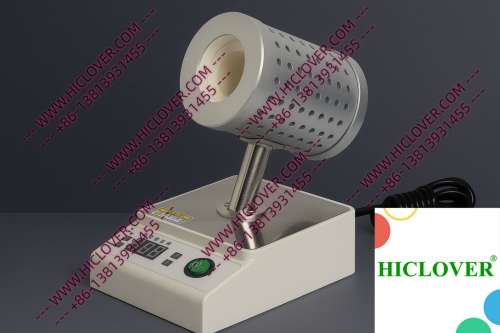
Equipped with a compact and portable design, the Micro Incinerator is streamlined for use in various laboratory settings. The enclosed system mitigates aerosol production, ensuring a sterile environment critical for microbiological work. The device’s portability is particularly beneficial for field testing labs, enabling researchers to sterilize tools in situ without compromising safety or cleanliness.
Application Scenarios in Real Labs
1. Biosafety Cabinets: In BSL-3 environments, where handling of pathogenic microorganisms is routine, the Micro Incinerator offers a clean and effective method for tool sterilization. Its rapid heating mechanism allows for immediate use, keeping workflows uninterrupted and maintaining the integrity of the sterile cabinet.
2. Teaching Labs: For university laboratories focused on training the next generation of scientists, the implementation of Micro Incinerators simplifies the learning process. Students can engage in microbiology practices without the inherent risks of flames, focusing on the science rather than the mechanics of sterilization.
Compliance with Biosafety Standards
Adhering to international guidelines, such as those set by the WHO and other laboratory sterilization standards, is crucial for any laboratory. The Micro Incinerator aligns perfectly with these requirements, offering features such as:
- Non-flame operation in clean rooms
- Aerosol-free handling of sterilized equipment
- Zero emissions, minimizing environmental impact
These compliance measures make it an excellent choice for modern laboratories aiming for both safety and environmental responsibility.
Advantages Over Traditional Flame Sterilizers
When comparing the Micro Incinerator to traditional flame sterilizers, the differences are striking:
| Feature | Micro Incinerator | Flame Sterilizers |
|---|---|---|
| Heating Method | Infrared Heat | Open Flame |
| Safety | Minimal Risk of Burns or Fires | Potential Hazardous Conditions |
| Environmental Impact | Zero Emissions | Release of Combustion Byproducts |
| Speed of Sterilization | Immediate | Requires Time to Ignite |
| Aerosol Control | Aerosol-Free | Possible Aerosol Production |
Frequently Asked Questions
What is a Micro Incinerator used for?
A Micro Incinerator is primarily utilized for the sterilization of inoculating loops and metal instruments in microbiological labs, providing an efficient and safe alternative to traditional flame sterilizers.
How does infrared sterilization work?
The infrared sterilization method utilizes concentrated heat generated by infrared radiation to quickly and effectively eliminate microbial contamination from tools, ensuring a sterile environment.
Are Micro Incinerators safe for use in teaching labs?
Yes, Micro Incinerators are designed with safety features that eliminate the risks associated with open flames, making them ideal for educational settings where students are learning safe laboratory practices.
Can Micro Incinerators fit into any lab setting?
Absolutely! The compact and portable design of Micro Incinerators makes them suitable for various environments, including BSL-2 and BSL-3 labs, as well as field testing and academic settings.
What makes these sterilizers environmentally friendly?
Micro Incinerators produce zero emissions and do not generate harmful byproducts, reducing their environmental impact compared to traditional flame-based sterilization methods.
Conclusion
The urgent need to combat pollution in Turkey’s urban areas aligns perfectly with the adoption of innovative laboratory equipment, such as the Micro Incinerator. Not only does it streamline laboratory practices, but it also contributes positively to environmental health. For laboratories seeking to upgrade their sterilization capabilities while adhering to biosafety standards, investing in a Micro Incinerator is a significant step towards a cleaner future. Contact us today to learn more about how our products can enhance your laboratory processes!
Categories:
Tags: