
In today’s medical and research laboratories, the need for effective sterilization methods has become increasingly critical. The biosafety challenges laboratories face can significantly impact their overall productivity and research outcomes. Contamination can lead to flawed results, hinder trials, and pose risks to professionals and patients alike. It is imperative to implement robust sterilization workflows to ensure safety and efficacy in diagnostics, particularly when using laboratory sterilization equipment such as the Micro Incinerator or Infrared Inoculating Loop Sterilizer.
The Micro Incinerator: A Technological Breakthrough
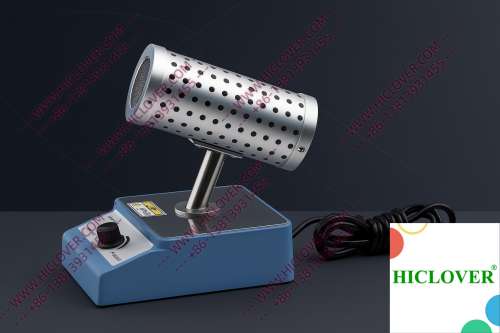
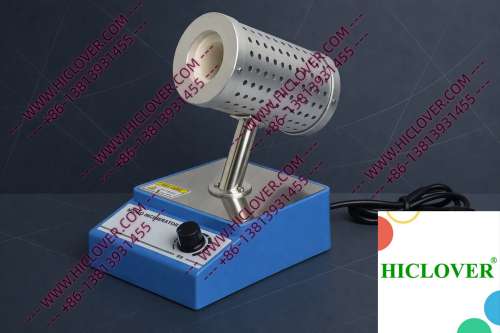
Unlike traditional flame-based sterilizers such as alcohol lamps and Bunsen burners, the Micro Incinerator employs infrared heating technology that promises rapid thermal sterilization. This innovative device utilizes an enclosed ceramic tube that reaches high temperatures, effectively eliminating microbial contamination while ensuring safety and efficiency in various laboratory environments.
Technical Principles of Infrared Sterilization
The operational heart of the Micro Incinerator lies in its ceramic heating chamber, which elevates temperatures quickly and uniformly. The infrared radiation heats instruments to around 800-1000°C, providing high-temperature disinfection without generating aerosols that could compromise biosafety. This feature is particularly advantageous in sensitive settings, allowing for aerosol-free handling of inoculating loops and other tools.
Application Scenarios of the Micro Incinerator
- Biosafety Cabinets: In BSL-2 and BSL-3 microbiology labs, it is vital to prevent contamination during microbial handling. The Micro Incinerator can be used within biosafety cabinets to ensure a sterile environment for inoculations, culture transfers, and other manipulations, effectively limiting exposure to pathogens.
- Field Testing Labs: For research teams conducting field tests, the compact design of the Micro Incinerator allows for easy portability without compromising safety. In scenarios without stable power sources, the device can be battery-operated, providing rapid sterilization in outdoor settings or during emergency response.
Compliance and Environment: Meeting Global Standards
Adhering to biosafety regulations set forth by organizations such as WHO and various local health authorities is crucial for modern laboratories. The Micro Incinerator meets stringent lab sterilization standards, particularly in clean rooms where open flames are prohibited. Incinerators eliminate potential fire hazards and meet environmental safety criteria, ensuring effective containment of hazardous materials and preventing contamination during sterilization procedures.
Countries that adopt recent laboratory sterilization standards, such as the United States with its CDC guidelines, reinforce the necessity of non-flame methods like infrared sterilization. For instance, in Japan, where strict compliance is essential in clinical diagnostics, devices like the Micro Incinerator offer reliable alternatives that align with national biosafety norms.
Comparison: Micro Incinerator vs. Traditional Flame Sterilizers
| Feature | Micro Incinerator | Flame Sterilizers |
|---|---|---|
| Temperature Control | High precision with infrared | Variable with human control |
| Safety | Low risk of fire hazards | Potential fire hazards |
| Aerosol Production | No | Yes, depending on method |
| Portability | Highly portable | Bulky and less mobile |
| Compliance | Meets global biosafety standards | May conflict with cleanroom regulations |
FAQs About the Micro Incinerator
- What is the main advantage of using a Micro Incinerator over a Bunsen burner?
The Micro Incinerator provides superior temperature control and safety by reducing the risk of fire hazards and eliminating aerosol production. - Can the Micro Incinerator be used in field-testing scenarios?
Yes, its portable design makes it ideal for field tests, allowing researchers to maintain sterilization protocols away from the lab. - How does infrared heat work for sterilization?
Infrared sterilizers employ high temperatures generated through a ceramic heating element, effectively killing microorganisms quickly. - Is this sterilizer compliant with WHO biosafety standards?
Yes, the Micro Incinerator meets stringent biosafety requirements mandated by WHO and other regulatory bodies. - What microbial samples are most effectively handled with this device?
It is effective for a wide range of microbial cultures commonly used in BSL-2 and BSL-3 labs.
Conclusion
In the evolving landscape of laboratory safety protocols, implementing advanced sterilization technology is paramount. The Micro Incinerator offers significant advantages over traditional flame sterilizers, providing efficient, safe, and compliant sterilization solutions ideal for various lab environments—from medical diagnostics to research applications. To learn more about integrating this essential equipment into your workflows or to make a purchase, please don’t hesitate to reach out. Embrace the future of sterilization to enhance your laboratory’s productivity and safety!
Categories:
Tags: