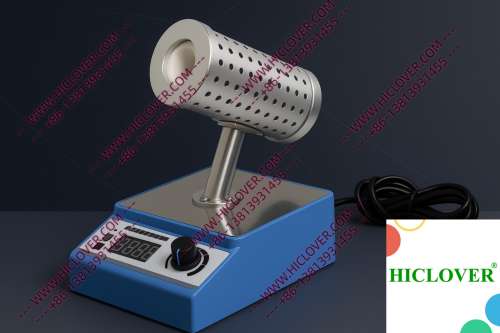
As healthcare and research environments constantly evolve, laboratory biosafety challenges and sterilization workflow demands become more pressing. The need for efficient and effective sterilization methods is paramount in preventing contamination, especially in high-stakes settings like BSL-2 and BSL-3 microbiology labs. Traditional methods like alcohol lamps and Bunsen burners, while common, present significant drawbacks, particularly in terms of safety and efficiency. Enter the Micro Incinerator, or Infrared Inoculating Loop Sterilizer—a revolutionary solution to these challenges.
Understanding Micro Incinerators
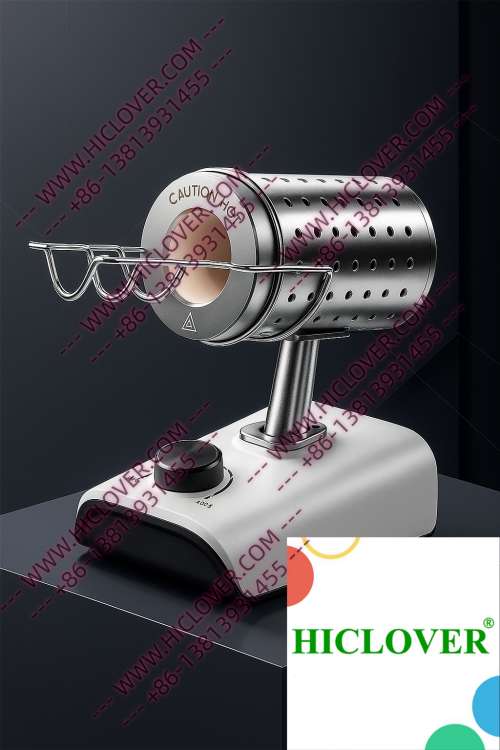
At its core, the Micro Incinerator employs infrared heat to achieve rapid thermal sterilization. Unlike flame-based sterilizers that can introduce contaminants or pose fire risks, the Micro Incinerator utilizes an enclosed ceramic heating chamber that emits uniform infrared radiation. This design allows for high-temperature disinfection while ensuring a clean and safe laboratory environment.
Technical Specifications
The Micro Incinerator features:
- Enclosed Ceramic Tube: Prevents fire hazards and minimizes the risk of aerosol generation.
- Rapid Heating: Reaches sterilization temperatures quickly, often within seconds.
- Precise Temperature Control: Ensures optimal heat settings for different sterilization scenarios.
- Portable Design: Ideal for both stationary laboratory use and field testing applications.
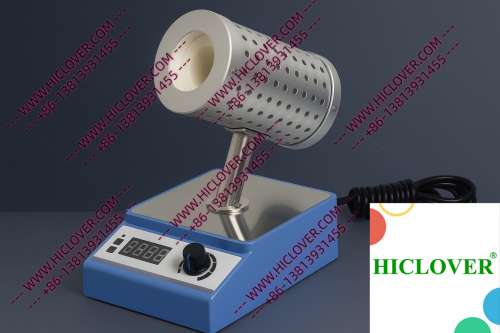
Application Scenarios: Real World Uses
The versatility of the Micro Incinerator is showcased in various laboratory settings. Here are two prominent application scenarios:
1. Field Testing Applications
In the context of field testing, particularly in regions like Greece where environmental monitoring is crucial, mobile laboratories require reliable sterilization equipment. The Micro Incinerator proves invaluable as it provides immediate sterilization of inoculating loops without the need for an open flame. This facilitates safe testing in remote locations, ensuring that microbial samples remain uncontaminated for accurate analysis.
2. University Teaching Labs
In educational environments, such as university microbiology labs, the Micro Incinerator enhances the learning experience by providing a safer alternative to traditional flame sterilizers. Instructors can demonstrate sterilization techniques without the inherent risks of open flames, fostering a more controlled and secure learning environment for students. This aligns with modern educational practices that prioritize safety and efficiency.
Compliance and Environmental Standards
As concerns about laboratory safety and environmental impact increase, compliance with global standards becomes crucial. The WHO biosafety standards emphasize the need for safe and effective sterilization protocols that prevent cross-contamination.
Micro Incinerators adhere to these guidelines by eliminating the use of open flames, which are unsuitable for clean-room operations or situations requiring aerosol-free handling. Their effectiveness in sterilization ensures compliance with laboratory standards, making them a preferred choice in modern laboratory settings.
Comparative Advantages Over Traditional Flame Sterilizers
When comparing Micro Incinerators with traditional flame burners, several advantages are evident:
| Feature | Micro Incinerator | Flame Burners |
|---|---|---|
| Safety | Low risk of fire hazards, contains fire within a ceramic chamber | Fire risk, requires careful handling |
| Efficiency | Rapid thermal sterilization in seconds | Longer waiting periods for flame stabilization |
| Contamination Control | Minimized aerosol production | Potential for aerosol generation and cross-contamination |
| Portability | Lightweight and portable | Requires stable surface and secure handling |
FAQs about Micro Incinerators
1. What are the primary applications of Micro Incinerators?
Micro Incinerators are widely used in laboratories for sterilizing inoculating loops, tools, and equipment in various environments, including biosafety cabinets and field-testing labs.
2. How does infrared sterilization compare to flame sterilization?
Infrared sterilization provides a safer and more efficient alternative to flame sterilization, with reduced fire hazards and minimized contamination risks.
3. Are Micro Incinerators compliant with international safety standards?
Yes, Micro Incinerators comply with WHO biosafety and laboratory sterilization standards, making them an ideal choice for modern laboratory environments.
4. Can I use a Micro Incinerator in a clean room?
Absolutely! The enclosed design of the Micro Incinerator makes it suitable for clean room operations, where contamination control is critical.
5. What should I consider when purchasing a Micro Incinerator?
Consider factors like portability, sterilization speed, safety features, and compliance with laboratory regulations when choosing a Micro Incinerator.
Conclusion
The rise of Micro Incinerators as a staple in laboratory sterilization equipment represents a significant advancement in biosafety and efficiency. With their innovative design and exceptional performance, they are poised to become the preferred solution for laboratories across Greece and beyond. Investing in a Micro Incinerator enhances workflow, improves safety, and meets strict compliance requirements. Contact us today to learn more about how the Micro Incinerator can revolutionize your laboratory sterilization processes.
Categories:
Tags: