
In today’s fast-paced scientific environment, laboratories are constantly challenged with maintaining strict biosafety standards while managing effective sterilization workflows. The demand for reliable sterilization has led to innovative solutions, and one such technology is the Micro Incinerator, specifically designed as an Infrared Inoculating Loop Sterilizer. This article delves into the safety features, applications, and compliance aspects of modern micro incinerators, highlighting their role in various laboratory settings.
Understanding the Technical Principles
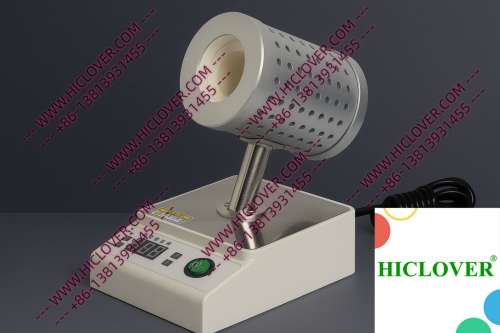
The core technology behind micro incinerators revolves around infrared heat generation. Unlike traditional flame-based sterilizers such as alcohol lamps and Bunsen burners, which can produce harmful aerosols and may not be suitable for sensitive environments, micro incinerators use a ceramic heating chamber. This chamber generates high temperatures rapidly, ensuring effective sterilization of tools such as inoculating loops within moments.
The enclosed design of the ceramic tube minimizes exposure to flames and reduces the risk of contamination, aligning perfectly with laboratory safety protocols. Micro Incinerators can reach temperatures upwards of 800°C (1472°F), allowing for rapid thermal sterilization while ensuring clean-bench safety. This means that lab personnel can maintain sterile environments without the fear of open flames, which is crucial for BSL-2 and BSL-3 microbiology labs where contamination control is paramount.
Varied Applications in Real Labs
1. Teaching Laboratories
In educational settings like university teaching labs, micro incinerators serve as excellent tools for helping students learn proper sterilization techniques. These labs often feature tight schedules and high student turnover, requiring efficient, reliable sterilization equipment that can be handled safely. With a micro incinerator, students can seamlessly sterilize inoculating loops without the risks associated with traditional flames, thereby fostering a learning environment focused on safety and professionalism.
2. Mobile and Field Testing Labs
Field testing often presents unique challenges, especially concerning contamination control. Micro incinerators stand out in these scenarios by offering portability and user-friendliness. Researchers engaged in projects requiring mobility can easily carry these devices, allowing them to sterilize instruments on-site without the dependency on stable power sources or controlled environments. This dramatically enhances their ability to work safely under a variety of conditions, from rural sites to crowded urban areas.
Compliance and Environmental Considerations
Compliance with biosafety standards is crucial for any laboratory. The World Health Organization (WHO) outlines various guidelines that laboratories must follow to ensure biosafety. Micro incinerators are particularly advantageous in this context, as they eliminate open flames that could compromise sterile conditions in clean rooms.
- WHO Biosafety Standards: Micro incinerators adhere to strict guidelines set by WHO for safe laboratory practices, particularly in managing potentially infectious agents.
- ISO Laboratory Sterilization Standards: These devices are increasingly recognized within frameworks for sterilization efficiency, supporting compliance with ISO norms.
- Flame-Free Environments: Micro incinerators are essential in clean-room applications where avoiding any potential contamination is critical.
Advantages Over Traditional Flame Sterilizers
When comparing micro incinerators to traditional flame sterilizers, the differences in safety and efficiency are evident:
| Feature | Micro Incinerator | Traditional Flame Sterilizer |
|---|---|---|
| Temperature Control | Precise, adjustable high temperatures | Variable and less controllable |
| Safety | No open flames or aerosols | Open flames increase contamination risk |
| Speed of Sterilization | Near-instant sterilization | Longer heating required |
| Portability | Compact and lightweight | Often bulkier and less mobile |
Frequently Asked Questions (FAQs)
1. What is a Micro Incinerator?
A micro incinerator is a sterilization tool that utilizes infrared heat in a contained ceramic chamber for the rapid thermal sterilization of laboratory instruments, such as inoculating loops.
2. How does a Micro Incinerator improve laboratory safety?
By eliminating open flames and reducing aerosol production, micro incinerators minimize contamination risks, making them ideal for sensitive laboratory settings.
3. Are micro incinerators portable for field use?
Yes, micro incinerators are designed to be lightweight and compact, making them suitable for use in mobile and field testing laboratories.
4. What laboratory regulations do Micro Incinerators comply with?
Micro incinerators comply with WHO biosafety standards, ISO laboratory sterilization guidelines, and are suitable for use in clean-room environments.
5. How do Micro Incinerators compare with alcohol lamps in sterilization efficiency?
Micro incinerators provide faster and more reliable sterilization by reaching higher temperatures quickly, while alcohol lamps may take longer and pose a higher risk for user exposure to flames.
Conclusion: The Future of Laboratory Sterilization
As laboratories continue to evolve, the demand for efficient, safe sterilization methods will only grow. The Micro Incinerator / Infrared Inoculating Loop Sterilizer stands as a testament to this evolution, offering safety, compliance, and efficiency in various settings. Whether in teaching labs, remote fieldwork, or clinical diagnostics, the advantages of micro incinerators make them a smart investment. For those interested in enhancing laboratory safety with top-tier sterilization equipment, consider reaching out to your preferred laboratory supply distributor today.
Categories:
Tags: