
In the quest for sustainable urban environments, Canadian cities are facing increasing pressure to adopt eco-friendly technologies in various sectors, including laboratory practices. Specifically, laboratory biosafety challenges and sterilization workflow demands drive the need for innovative sterilization solutions. Traditional methods, such as alcohol lamps and Bunsen burners, often prove inefficient and cumbersome. A suitable response to these challenges comes in the form of micro incinerators, particularly the Micro Incinerator / Infrared Inoculating Loop Sterilizer.
Understanding the Micro Incinerator Technology
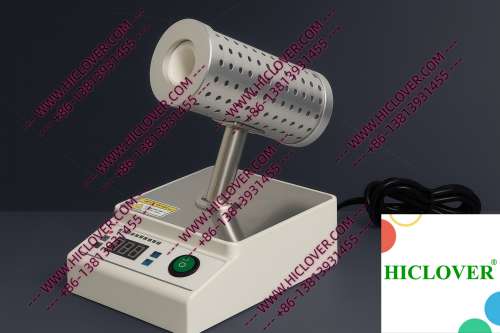
The Micro Incinerator utilizes infrared heat generated in an enclosed ceramic tube to achieve rapid thermal sterilization. This innovative design allows for high-temperature disinfection of inoculating loops and other lab tools. Infrared radiation heats the objects in contact with it, resulting in a quick and efficient sterilization process.
One of the significant advantages of this device is its aerosol-free handling, making it exceptionally suitable for clean bench environments. The ceramic heating chamber ensures that no flames are present, eliminating the risk of contamination or burns typically associated with open flames. Moreover, the compact size of these units makes them ideal for laboratory spaces where real estate is at a premium.
Application Scenarios in Real Labs
Biosafety Cabinets
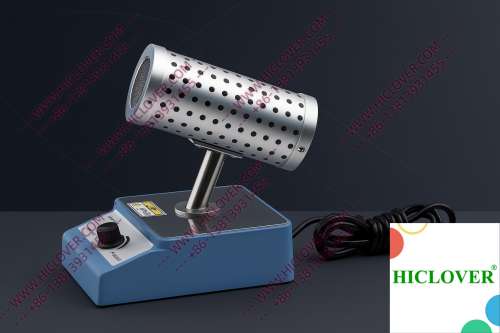
In BSL-2 or BSL-3 microbiology labs, mitigating contamination risk is crucial. The Micro Incinerator offers an excellent solution for swiftly sterilizing inoculating loops and other instruments without introducing aerosols into the clean environment. This promotes a safer workspace for laboratory personnel and cultivates a culture of biosafety adherence.
Field Testing and Teaching Labs
Mobile or field testing labs often encounter limitations due to lack of resources or equipment. The Micro Incinerator is lightweight, making it easily transportable while providing essential sterilization capabilities in the field. In university teaching labs, instructors can demonstrate safe inoculation techniques without the risk of fire hazards associated with traditional flame sterilizers.
Compliance and Environmental Considerations
Compliance with biosafety standards is critical in laboratory settings. The World Health Organization has outlined several biosafety protocols to ensure safe laboratory practices. The use of micro incinerators meets such standards, mitigating the risk factors associated with flame sterilization methods. Further, by eliminating open flames, these devices enhance safety in cleanroom environments, as they can quickly achieve and maintain sterilization conditions without the inherent risks of traditional flame methods.
The micro incinerator is not just a safer alternative; it also aligns with the environmental goals of cities aiming for sustainability.
Comparison: Micro Incinerator vs. Traditional Flame Burners
| Feature | Micro Incinerator | Flame Burners |
|---|---|---|
| Heating Method | Infrared Heat | Open Flame |
| Safety | Aerosol-free handling | Fire Hazard & Contamination Risk |
| Size | Compact | Bulky |
| Fuel Source | Electricity | Gas or Alcohol |
FAQs
- What are the primary advantages of using a Micro Incinerator over traditional sterilizers?
Micro Incinerators operate without an open flame, reduce contamination risks, and offer rapid thermal sterilization. - Can Micro Incinerators be utilized in field testing labs?
Yes, their portability and ease of use make them ideal for remote locations. - Are Micro Incinerators compliant with WHO biosafety standards?
Absolutely, these devices meet stringent biosafety guidelines and promote safe laboratory practices. - How does infrared sterilization compare in efficiency?
The rapid thermal sterilization offered by infrared is significantly more efficient than traditional flame methods. - What types of laboratories are best suited for Micro Incinerators?
They are perfect for BSL-2, BSL-3 labs, teaching labs, and even field testing labs dealing with microbiological samples.
Conclusion
Micro Incinerators represent a paradigm shift in laboratory sterilization techniques, especially in the context of sustainable practices in Canadian cities. With their compact design, enhanced safety features, and compliance with global biosafety standards, they are perfectly positioned to meet the demands of modern laboratory workflows. By choosing micro incinerator technology, laboratories can enhance their sterilization processes while aligning with environmental sustainability goals.
If you’re looking to upgrade your laboratory’s sterilization capabilities, consider investing in a Micro Incinerator / Infrared Inoculating Loop Sterilizer. For more information on cutting-edge laboratory equipment, please do not hesitate to get in touch with us!
Categories:
Tags: