
In the realm of laboratory biosafety, maintaining a sterile environment is crucial for accurate research outcomes and compliance with health standards. The effective sterilization of tools and equipment is a significant challenge faced by laboratories, especially in settings like BSL-2 and BSL-3 microbiology labs. Germany’s latest strides in adopting advanced sterilization technologies, particularly in the field of miniature incineration systems like the Micro Incinerator or Infrared Inoculating Loop Sterilizer, are pivotal for enhancing laboratory operations.
Laboratory Biosafety Challenges in Sterilization Workflows
Conventional methods of sterilization such as alcohol lamps and Bunsen burners pose several risks in today’s modern labs. The open flames can generate hazardous aerosols, compromise clean room environments, and contribute to contamination, which undermines the reliability of laboratory work. Moreover, the reliance on volatile substances like alcohol introduces additional environmental concerns. As regulators increasingly emphasize biosafety compliance, laboratories require innovative solutions that not only meet these standards but also enhance workflow.
Technical Principles of the Micro Incinerator
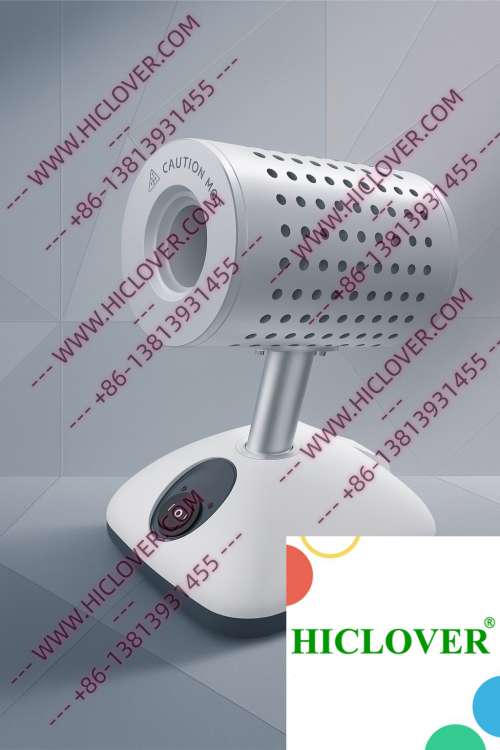
The Micro Incinerator leverages infrared thermal technology to deliver rapid and effective sterilization without the drawbacks of flame-based methods. The device operates using a ceramic heating chamber that generates high-temperature infrared heat. This design allows for thorough sterilization of tools and materials at a faster rate than traditional flame methods, creating a clean, efficient, and safe work environment.
- Rapid Thermal Sterilization: The Micro Incinerator quickly reaches temperatures necessary for effective disinfection.
- Enclosed Design: Its enclosed ceramic tube minimizes the risk of contamination.
- Aerosol-Free Handling: Eliminates aerosol production, ensuring a clean workspace.
- Energy Efficient: Consumes less energy compared to traditional sterilization techniques.
- What is a Micro Incinerator?
A Micro Incinerator is a laboratory device that uses infrared technology for rapid thermal sterilization of tools and equipment. - How does the Micro Incinerator improve biosafety in laboratories?
It eliminates open flame hazards, reduces aerosol generation, and conforms to health standards, thereby ensuring a safer workspace. - What types of laboratories can benefit from Micro Incinerators?
The device is beneficial in various settings, including BSL-2/BSL-3 labs, university teaching facilities, and field testing environments. - Is the Micro Incinerator energy-efficient?
Yes, it consumes less energy compared to traditional flame sterilizers, making it a cost-effective solution.
Application Scenarios in Real Labs
1. Utilization in BSL-2 and BSL-3 Laboratories
In BSL-2 laboratories, where work with moderate-risk agents takes place, the Micro Incinerator is used within biosafety cabinets. The infrared sterilization technique ensures that inoculating loops and other equipment are free from contaminants without the risk of flame exposure. This system not only upholds safety standards but also streamlines the sterilization process, allowing researchers to focus on crucial experimental tasks.
2. Teaching Labs in Universities
University teaching labs benefit immensely from the integration of Micro Incinerators. They pose less risk to students studying microbiology or life sciences. Instructors can demonstrate effective sterilization techniques without the unpredictable nature of flame, thereby enhancing learning outcomes. The use of non-flame-based sterilizers aligns with educational safety guidelines and fosters a better understanding of contamination control techniques among students.
Compliance with Sterilization Standards
The World Health Organization (WHO) has laid out strict guidelines for laboratory biosafety, particularly regarding sterilization practices. The Micro Incinerator meticulous adherence to these standards for infection prevention is noteworthy. Furthermore, in clean room environments, the absence of flame-based sterilization methods means reduced particulate matter and lower chemical usage, thus aligning with best practices in laboratory design and operations.
Biosafety & Environmental Compliance
Incorporating infrared sterilizers like Micro Incinerators helps laboratories comply with various biosafety and sterilization standards outlined by global health organizations. Not only do they mitigate risks associated with flames, but they also support sustainable waste management practices, which are becoming increasingly crucial in today’s ecological climate.
Comparison: Micro Incinerator vs. Traditional Flame Sterilizers
| Features | Micro Incinerator | Flame Sterilizer |
|---|---|---|
| Heat Source | Infrared | Open Flame |
| Safety | Low risk (aerosol-free) | High risk (aerosol generation) |
| Energy Efficiency | High | Variable |
| Cleaning | Minimal | Complex (residue build-up) |
| Portability | Easy to transport | Less portable |
FAQs
Conclusion
As Greece embraces innovative solutions for sustainable waste management in laboratories, the Micro Incinerator stands out as an exceptional tool for effective and compliant sterilization. Its advanced technology not only simplifies sterilization workflows but also supports environmental sustainability and biosafety measures. For laboratories looking to enhance their sterilization processes, incorporating this transformative device could be the key to achieving excellence in laboratory operations. To learn more about integrating a Micro Incinerator into your workflow, please contact us today or explore our offerings!
Categories:
Tags: