
Laboratories today are faced with numerous biosafety challenges, particularly in achieving effective sterilization of equipment while minimizing contamination risks. The spread of pathogens and the requirement for stringent sterilization in research and clinical diagnostics have heightened the need for efficient sterilization workflows. Memphis hospitals are now stepping up to meet these demands with innovative solutions, such as the launch of eco-friendly micro incinerators aimed at revolutionizing laboratory sterilization.
Understanding the Micro Incinerator Technology
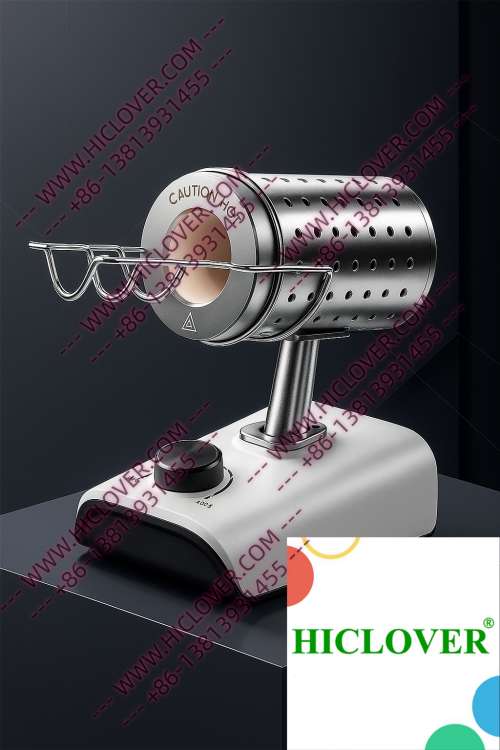
The Micro Incinerator, or Infrared Inoculating Loop Sterilizer, utilizes cutting-edge technology to provide reliable sterilization without the drawbacks associated with traditional flame sterilizers like Bunsen burners or alcohol lamps. Central to its operation is the principle of rapid thermal sterilization, which employs an enclosed ceramic heating chamber that reaches high temperatures quickly.
When the sterilizer is activated, infrared heat generates intense thermal disinfection, effectively eliminating pathogens in a matter of seconds. Unlike conventional flame-based methods, which can inadvertently introduce contaminants or leave residues, the micro incinerator assures a clean and safe operation, ideal for use in biosafety cabinets, teaching environments, and even mobile field testing laboratories.
Advantages of Micro Incinerators Over Traditional Sterilizers
| Feature | Micro Incinerator | Flame Sterilizer |
|---|---|---|
| Operation Mode | Infrared heat | Open flame |
| Contamination Risk | Minimal | High |
| Time Efficiency | Instant | Variably slow |
| User Safety | Secure, no flames | Potential hazards |
| Environmentally Friendly | Yes | No |
Application Scenarios in Real Labs
The utility of micro incinerators can be appreciated across various laboratory settings. Here are two compelling application scenarios:
1. University Teaching Labs
In microbiology classes at local universities, instructors utilize micro incinerators for demonstrating sterile inoculation techniques. Students can observe the immediate and effective sterilization of inoculating loops without the distractions or hazards presented by a flame, allowing for a more focused learning experience. The compact design also fits well within the limited space of teaching labs, where maintaining an organized workspace is critical.
2. Clinical Diagnostics
In a clinical setting, a Memphis hospital has integrated micro incinerators within its biosafety cabinets to effectively sterilize tools used in diagnostic testing. The rapid high-temperature disinfection ensures that the risk of cross-contamination is significantly reduced, thus adhering to the strict safety protocols required in BSL-2 environments. Furthermore, the absence of flames minimizes the risk of fire hazards, an essential consideration when working in enclosed spaces.
Biosafety Compliance and Environmental Considerations
The importance of biosafety compliance in laboratory settings cannot be overstated. The World Health Organization (WHO) and various regulatory bodies set forth rigorous guidelines ensuring the safe handling of biohazardous materials. Micro incinerators not only align with these standards by providing effective sterilization but also offer an environmentally responsible alternative to flame-based sterilization methods. Their reduced carbon footprint and enhanced energy efficiency contribute to hospital sustainability goals, making them a preferred choice in forward-thinking facilities.
Frequently Asked Questions
- What is a Micro Incinerator, and how does it work?
The Micro Incinerator, or infrared inoculating loop sterilizer, uses infrared heat to quickly sterilize tools without an open flame, ensuring contamination control. - Can Micro Incinerators be used in BSL-2 labs?
Yes, they are ideal for BSL-2 microbiology labs due to their ability to swiftly sterilize in a safe manner while minimizing contamination risks. - How quickly can a Micro Incinerator sterilize instruments?
Micro Incinerators provide rapid thermal sterilization, effectively disinfecting instruments in a matter of seconds. - Are Micro Incinerators eco-friendly?
Absolutely! They won’t produce harmful emissions and are designed with energy efficiency in mind, supporting sustainability initiatives. - Where can I purchase a Micro Incinerator?
You can contact local laboratory supply distributors or hospitals for procurement. Many also offer online purchasing options.
Conclusion
As laboratories strive to maintain the highest standards of safety and efficiency, the adoption of micro incinerators is a clear step forward. With their rapid sterilization capabilities, minimal contamination risk, and eco-friendly design, these devices are poised to become a staple in various applications from educational settings to clinical diagnostics. If you’re considering upgrading your laboratory sterilization equipment, don’t hesitate to reach out for more information on our innovative Micro Incinerators. Together, we can elevate your laboratory’s biosafety protocols while contributing to a cleaner, greener future.