
In modern laboratory environments, maintaining impeccable biosafety standards is paramount. The challenge of effectively sterilizing laboratory tools and materials while minimizing potential airborne contaminants is a critical concern for researchers and clinicians. Traditional sterilization methods, particularly the use of open flame devices such as alcohol lamps and Bunsen burners, can pose significant risks in terms of contamination, user safety, and emissions. Enter the Micro Incinerator / Infrared Inoculating Loop Sterilizer—a cutting-edge advancement that not only meets stringent sterilization requirements but also enhances laboratory workflows.
The Technical Principles of Infrared Technology in Sterilization
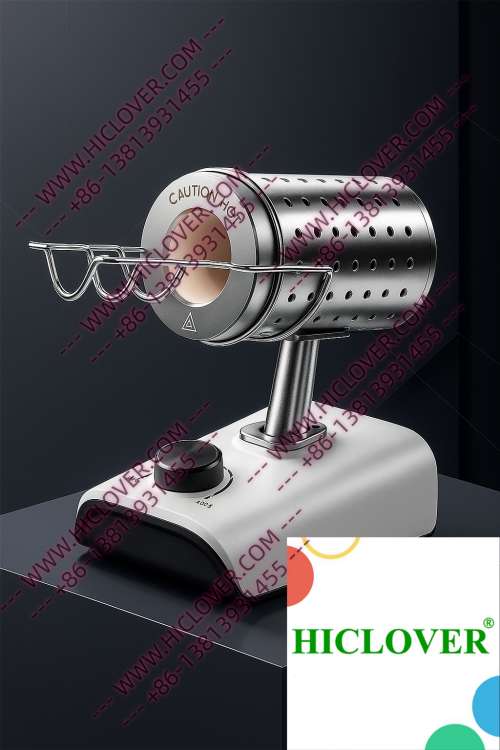
The Micro Incinerator operates using infrared heat as its primary sterilizing mechanism. This innovative design features an enclosed ceramic tube that elevates the temperature rapidly, achieving optimal sterilization within seconds. This rapid thermal sterilization process effectively eliminates microbial life without introducing harmful chemicals or creating hazardous fumes.
Key components of this sterilizer include:
- Ceramic Heating Chamber: Provides direct and efficient heating, ensuring uniform temperature distribution.
- Infrared Technology: Allows for precise control over heat application, minimizing the risk of degradation to sensitive materials.
- Safety Features: Enclosed design reduces the probability of accidental fires and aerosols, making it safer for laboratory personnel.
- Clinical Diagnostics
- Field Testing Labs
- Microbial Research
Applications in Real Laboratory Scenarios
The versatility of the Micro Incinerator shines in various laboratory settings:
1. BSL-2 and BSL-3 Microbiology Labs
In BSL-2 and BSL-3 environments, where handling of pathogens is routine, the Micro Incinerator plays a crucial role in controlling contamination. Its efficient sterilization capabilities ensure that inoculating loops and other tools are rendered aseptic before they touch cultures. Furthermore, the odor-free operation allows researchers to maintain focus without the distraction of smoke or harmful vapors, thereby enhancing overall lab productivity.
2. University Teaching Labs
Education is another key application area for this equipment. In university labs, where students learn proper aseptic techniques, the Micro Incinerator provides a safe teaching tool. The instant sterilization eliminates the potential for cross-contamination among students, fostering an environment that prioritizes safety and compliance with educational standards.
Compliance with Lab Sterilization Standards
International safety standards, such as those recommended by the World Health Organization (WHO) and other relevant regulations, mandate that laboratories employ effective sterilization solutions. The Micro Incinerator complies with strict guidelines for ensuring that no flames are present in clean rooms, thereby upholding biosafety standards critical in preventing contamination.
By utilizing this advanced technology, labs reduce the likelihood of aerosol generation, further enhancing safety protocols in environments like:
Advantages of Infrared Sterilizers vs. Traditional Flame Methods
The Micro Incinerator not only positions itself as a modern alternative to flame sterilizers but also surpasses them in multiple ways:
| Criteria | Micro Incinerator | Flame Sterilizers |
|---|---|---|
| Efficiency | Instant sterilization within seconds | Inconsistent heating, takes longer |
| Safety | No open flames; reduced risk of burns | Fire hazards; potential for burns |
| Odor Control | Odor-free operation | Fumes and smoke produced |
| Portability | Compact design for field use | Bulky and may need stable platforms |
| Environmental Impact | Less air pollution | Higher carbon footprint |
Frequently Asked Questions
What makes the Micro Incinerator different from traditional sterilizers?
The Micro Incinerator uses infrared heat for rapid sterilization, which is more efficient, safer, and environmentally friendly compared to traditional open flame sterilizers.
Is the Micro Incinerator safe to use in a BSL-2 or BSL-3 lab?
Yes, it is designed specifically to comply with biosafety regulations, ensuring safe operations without the risks associated with open flames.
Can it be used in field testing labs?
Absolutely, the compact and portable design of the Micro Incinerator makes it ideal for mobile laboratory applications.
How does the Micro Incinerator enhance laboratory workflow?
With its rapid sterilization capability, it eliminates time delays and minimizes contamination risks, thereby optimizing overall workflow efficiency.
What are the maintenance requirements for the Micro Incinerator?
The device requires minimal maintenance, primarily routine cleaning of the ceramic tube and safety checks to ensure it remains in optimal working condition.
Conclusion
In summary, the Micro Incinerator / Infrared Inoculating Loop Sterilizer represents a revolutionary step forward in laboratory sterilization technology. By prioritizing safety, efficiency, and environmental responsibility, it effectively meets the demands of modern laboratory workflows across various applications—from BSL-2 environments to educational settings.
For laboratory supply distributors, hospitals, universities, and research centers looking to enhance their sterilization processes while adhering to compliance standards, investing in a Micro Incinerator could be the optimal solution. Explore how our products can transform your lab’s sterilization practices—reach out to us today!
Categories:
Tags: