
In the fast-paced environment of Salt Lake City’s hospitals and laboratories, the need for effective biosafety measures has never been more pressing. Infection control is a multifaceted challenge that encompasses everything from managing laboratory sterilization workflows to ensuring compliance with stringent health regulations. As a solution to these pressing demands, the introduction of Micro Incinerators and Infrared Inoculating Loop Sterilizers is transforming the standard sterilization practices within healthcare settings.
Understanding the Technology Behind Loop Sterilizers
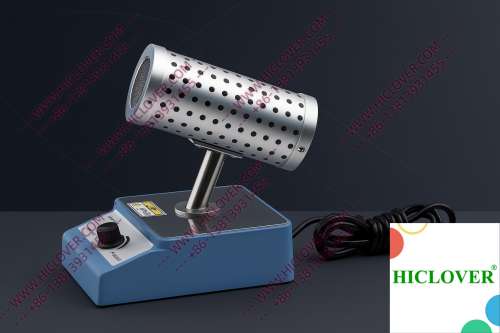
The Micro Incinerator represents an innovative shift in how healthcare professionals handle sterilization. Utilizing infrared heat, these devices achieve rapid thermal sterilization through an enclosed ceramic tube, which significantly enhances control over the temperature and sterilization duration. Unlike traditional flame sterilizers, such as alcohol lamps and Bunsen burners, which can produce aerosols and create fire hazards, infrared sterilizers provide an efficient and safe alternative for contamination control. The enclosed heating chamber minimizes the risk of aerosol generation, making them especially suitable for clean bench operations.
Key Advantages Over Traditional Flame Sterilizers
- Safety: Enhanced safety profile with no open flames.
- Control: Precise temperature regulation ensures thorough sterilization.
- Efficiency: Rapid sterilization reduces waiting times between applications.
- Fume-Free: Aerosol-free handling is vital for maintaining sterile environments.
- What is the primary benefit of using Micro Incinerators in laboratories?
Micro Incinerators provide safe, efficient, and rapid thermal sterilization without the risks associated with traditional flame sterilizers. - How do Infrared Inoculating Loop Sterilizers differ from Bunsen burners?
They offer enclosed heating, precise temperature control, and eliminate aerosol generation, making them safer for sensitive laboratory environments. - Are Micro Incinerators suitable for field testing?
Yes, their portable nature and efficient sterilization capabilities make them ideal for use in mobile labs and field testing scenarios. - How do these devices contribute to compliance with biosafety standards?
By using infrared sterilizers, labs can maintain a flame-free environment and reduce contamination risks, aligning with WHO and local safety regulations. - What types of labs should consider investing in these sterilizers?
Hospitals, research facilities, universities, and any lab where sterilization is required for contamination control can benefit greatly from Micro Incinerators.
Application Scenarios in Real Laboratory Settings
Micro Incinerators are increasingly being adopted in various laboratory environments in Salt Lake City, from clinical diagnostics to teaching labs. Here are two compelling application scenarios.
1. Biosafety Cabinets in Microbiology Labs
In BSL-2 and BSL-3 microbiology labs, where researchers deal with pathogens, the need for stringent sterilization is paramount. By incorporating Micro Incinerators within biosafety cabinets, laboratory technicians can swiftly sterilize inoculating loops without the risk associated with flames. This allows for seamless workflow transitions, preventing contamination of samples, and ensuring that the working environment remains sterile.
2. University Teaching Labs
University laboratories with microbiology courses benefit greatly from using Infrared Inoculating Loop Sterilizers. They provide students with a hands-on experience in infection control while teaching them the importance of maintaining biosafety standards in a controlled environment. The straightforward interface of these devices fosters educational opportunities without compromising on safety protocols.
Compliance and Environmental Considerations
Compliance with WHO biosafety standards and other lab sterilization regulations is essential for all laboratories. The use of Micro Incinerators aligns with key safety guidelines, eliminating the need for open flames in clean rooms and minimizing the risk of fire hazards. Additionally, their design supports industries aiming to achieve zero aerosol emissions, thus enhancing overall laboratory safety and environmental responsibility.
Furthermore, utilizing such advanced sterilization equipment in Salt Lake City helps facilities meet local regulatory demands efficiently while enhancing their laboratory’s environmental footprint. As hospitals and research centers become increasingly accountable for their sterilization practices, the adoption of high-tech solutions like infrared loop sterilizers empowers them to stay ahead in compliance.
FAQs about Micro Incinerators and Infrared Inoculating Loop Sterilizers
Conclusion: Elevate Your Laboratory Standards with Micro Incinerators
As the landscape of laboratory work continues to evolve, adopting innovative equipment such as Micro Incinerators and Infrared Inoculating Loop Sterilizers can drastically improve infection control protocols in Salt Lake City’s laboratories. Not only do these devices enhance safety and compliance, but they also streamline workflows, reduce contamination risks, and create a more reliable sterilization process.
If you are seeking to elevate your laboratory standards and implement cutting-edge technology, consider incorporating these advanced sterilization solutions into your practice. Contact us today to learn more about our Micro Incinerator offerings and how they can benefit your facility.
Categories:
Tags: