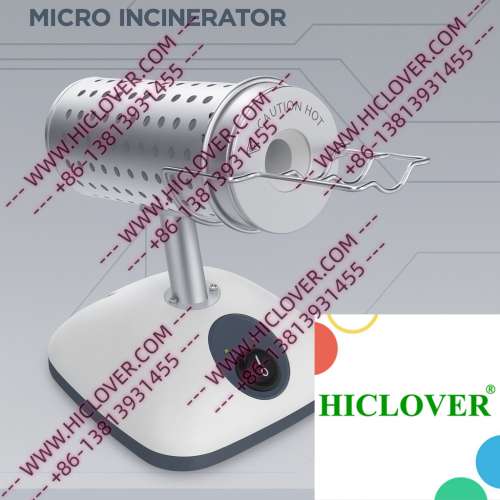
In the world of laboratory biosafety, the need for reliable sterilization methods is paramount. As facilities strive to ensure contamination control and maintain compliance with stringent health regulations, the importance of sophisticated sterilization equipment cannot be overlooked. Among the necessary tools is the Micro Incinerator, specifically designed for rapid thermal sterilization, which offers enhanced safety and efficiency over traditional flame-based sterilizers.
Understanding Micro Incinerators and Their Design
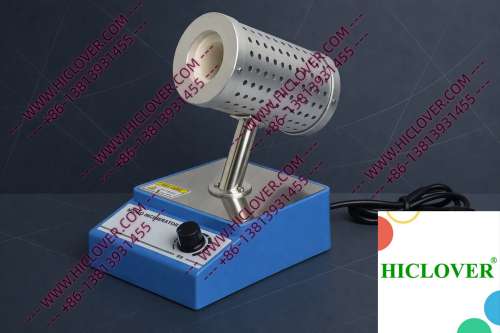
At the core of Micro Incinerators like the Infrared Inoculating Loop Sterilizer is the principle of infrared heat conduction. These devices utilize a ceramic heating chamber that generates high temperatures rapidly and efficiently. Unlike traditional methods, which rely on open flames and pose risks of aerosol contamination, the enclosed design of micro incinerators creates a clean and safe sterilization environment. The ceramic tube facilitates high-temperature disinfection without the risk of producing harmful fumes or aerosols, making it an ideal choice for sensitive laboratory settings.
Applications of Micro Incinerators in Laboratories
- Biosafety Cabinets: Micro incinerators are often integrated within biosafety cabinets, providing a compact and safe method for sterilizing inoculating loops, spreaders, and other tools without disturbing the clean environment.
- Field Testing Labs: In situations where portability is crucial, micro incinerators can be used in field testing laboratories, where rapid sterilization is required to prevent contamination of samples.
- Teaching Laboratories: University labs often adopt these devices as they offer a safe training environment for students learning aseptic techniques without the hazards associated with flame sterilizers.
- Reduced risk of contamination leading to fewer needs for re-sampling and retesting.
- Lower utility costs as micro incinerators typically consume less energy compared to traditional systems.
- Minimal maintenance requirements and increased equipment lifespan.
- What makes a Micro Incinerator safer than traditional sterilizers?
A micro incinerator eliminates the risk of open flames, thereby reducing the chances of accidental burns and aerosol contamination. - Can a Micro Incinerator be used in a BSL-3 laboratory?
Yes, micro incinerators meet BSL-3 safety requirements and are ideal for handling infectious materials. - How quickly can instruments be sterilized using a Micro Incinerator?
Typically, sterilization can be achieved in less than 10 seconds, significantly faster than traditional methods. - Are Micro Incinerators portable?
Many models are designed for ease of transport, making them suitable for field testing or mobile laboratories. - What type of instruments can be sterilized with a Micro Incinerator?
Instrument types include inoculating loops, spreaders, and any other heat-resistant laboratory tools.
Compliance and Environmental Considerations
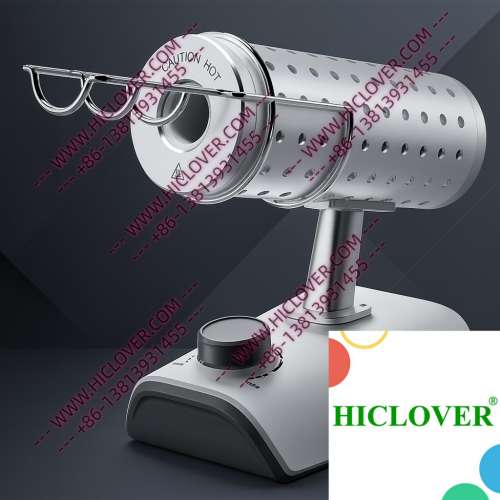
Adhering to international biosafety standards is a critical aspect of laboratory operations. The World Health Organization (WHO) has highlighted various biosafety guidelines that laboratories must follow, especially those working with pathogenic microorganisms (BSL-2 and BSL-3). Traditional flame sterilizers, such as Bunsen burners and alcohol lamps, are less compliant in cleanroom settings due to their open flames, which can create environmental hazards. By employing micro incinerators, laboratories can ensure flame-free operations while maintaining compliance with sterilization regulations, ensuring safety for personnel and equipment alike.
“Micro Incinerators create a controlled environment for sterilization that aligns with laboratory biosafety standards, making them superior to traditional flame burners.”
Comparison: Micro Incinerator vs. Traditional Flame Sterilizers
| Feature | Micro Incinerator | Flame Sterilizer |
|---|---|---|
| Contamination Control | Aerosol-free handling | Potential aerosol generation |
| Safety | Enclosed heating | Open flames |
| Efficiency | Rapid thermal sterilization | Time-consuming |
| Compliance | WHO biosafety standards | Limited compliance in clean rooms |
Cost Breakdown of Hospital Micro Incinerators in Surabaya
When considering the acquisition of a Micro Incinerator for hospitals or laboratories in Surabaya, it’s essential to evaluate the upfront costs alongside the long-term savings derived from increased efficiency and safety. The average cost of a Micro Incinerator ranges based on specifications such as power and additional features, typically starting at a few hundred dollars and increasing with advanced functionalities.
The operational cost savings stem from:
Frequently Asked Questions
Conclusion
Investing in a Micro Incinerator or Infrared Inoculating Loop Sterilizer represents not just a purchase of equipment but a commitment to advancing laboratory safety and efficiency. In the bustling city of Surabaya, where healthcare facilities strive to meet the highest biosafety standards, these devices emerge as pivotal tools in ensuring contamination-free workflows. For any laboratory or hospital looking to enhance its sterilization capabilities, we encourage you to explore the available options for high-quality Micro Incinerators. Reach out for more information or to initiate your purchase today!
Categories:
Tags: