
In the continuously evolving landscape of laboratory biosafety, the demand for effective sterilization solutions has never been greater. As cities like Osaka drive forward in research and development, laboratories face increasing challenges related to contamination control, stringent regulatory requirements, and the need for rapid thermal sterilization. Enter the Micro Incinerator—a groundbreaking sterilization device that offers a multifaceted solution to meet modern laboratory needs.
Understanding the Technical Principles
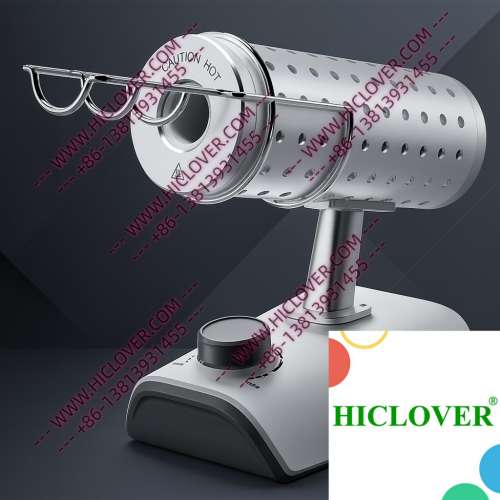
The Micro Incinerator is designed to deliver high-temperature disinfection through the application of infrared heat. Its innovative configuration usually includes an enclosed ceramic heating chamber, which allows for precise temperature control and swift thermal sterilization of inoculating loops, needles, and other laboratory tools.
This compact and efficient unit utilizes infrared technology to eliminate pathogens effectively, producing temperatures that can exceed 800°C within seconds. Unlike traditional flame sterilizers—a common choice in many labs—this device does not compromise biosafety with flames or aerosols, making it ideal for use in sensitive environments.
Advantages Over Traditional Flame Sterilizers
- Rapid Sterilization: Provides instant temperature rise for immediate use.
- Non-Flame Operation: Reduces aerosol formation and enhances safety in clean rooms.
- Energy Efficiency: Consumes significantly less thermal energy compared to gas flame alternatives.
- Compact Size: Allows for easy integration into various lab settings, including BIOS cabinets.
- Consistent Performance: Ensures uniform sterilization, eliminating the risk of cold spots common in flame techniques.
Application Scenarios in Real Labs
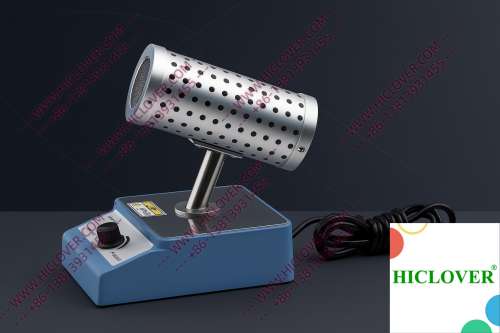
The utility of the Micro Incinerator spans various laboratory settings. Below are two distinct scenarios that illustrate its application:
1. Biosafety Cabinets
Within a BSL-2 or BSL-3 microbiology lab, the Micro Incinerator is employed for effective sterilization of inoculating loops used in microbial culture. When working under a biosafety cabinet, researchers can swiftly sterilize their tools without introducing flames that might compromise sterile environments. The infrared inoculating loop sterilizer not only minimizes the risk of contamination but also enhances efficiency, allowing researchers to focus on their work with peace of mind.
2. Teaching Laboratories
University teaching labs often face unique challenges in educating future scientists while ensuring compliance with strict safety protocols. The Micro Incinerator offers a safe alternative for students learning aseptic techniques. Instructors can confidently demonstrate sterilization processes without the hazards posed by traditional flame sources. The device’s ease of use encourages students to engage actively in lab exercises, ultimately enhancing their understanding of laboratory sterilization.
Compliance and Environmental Considerations
Laboratories globally must adhere to various guidelines and standards set by organizations such as the WHO. These standards often highlight the importance of efficient sterilization methods in maintaining biosafety, emphasizing the need for methods that do not involve flames in clean rooms and sensitive research areas.
The implementation of Micro Incinerators aligns with established lab sterilization standards, offering a compliant solution that meets rigorous regulations. Without creating harmful aerosols or introducing flame hazards, this technology ensures a safer working environment for laboratory personnel.
Comparison of Micro Incinerator vs. Traditional Flame Sterilizers
| Feature | Micro Incinerator | Flame Sterilizers |
|---|---|---|
| Temperature Control | Precise and rapid | Variable |
| Aerosol Formation | Zero | High risk |
| Power Source | Electric | Gas |
| Safety in Clean Rooms | High | Moderate to low |
| Energy Efficiency | High | Low |
Frequently Asked Questions
What is a Micro Incinerator used for?
A Micro Incinerator is primarily used for the rapid sterilization of inoculating loops, needles, and other small laboratory instruments without creating harmful aerosols or flames.
How does it compare to traditional flame sterilizers?
Compared to traditional methods like Bunsen burners, Micro Incinerators provide precise temperature control and eliminate the risk of contamination from aerosols while being safer in cleanroom environments.
Is the Micro Incinerator safe to use in a biosafety cabinet?
Yes, the Micro Incinerator is designed to be safe for use in biosafety cabinets, allowing for effective sterilization without disrupting the sterile environment.
Can it be used in teaching laboratories?
Absolutely! The Micro Incinerator is ideal for education settings, allowing students to learn proper sterilization techniques without the risks associated with flame sterilizers.
What are the environmental benefits of using a Micro Incinerator?
The Micro Incinerator helps reduce the overall chemical footprint by minimizing aerosol exposure and eliminating the need for flammable gases, making it an environmentally responsible choice for modern laboratories.
Conclusion
As the demand for efficient sterilization solutions continues to grow in Osaka and beyond, the Micro Incinerator stands out as a superior alternative to traditional flame sterilizers. Its rapid thermal sterilization capabilities, adherence to biosafety standards, and versatility for various laboratory applications make it an essential tool for laboratories focused on contamination control. For laboratories striving to enhance workflow efficiency and safety, investing in a Micro Incinerator is not just a choice—it’s an imperative.
For inquiries regarding purchase or additional information about the Micro Incinerator, please don’t hesitate to contact us today!
Categories:
Tags: