
In the rapidly evolving landscape of laboratory safety and efficiency, biohazard challenges and sterilization workflow demands are at the forefront of medical facility operations in Sudan. As healthcare professionals strive to uphold stringent biosafety standards and maintain contamination control, the introduction of advanced laboratory sterilization equipment has become essential. Among such innovations, the Micro Incinerator, or Infrared Inoculating Loop Sterilizer, stands out as a game-changer that promises efficiency, safety, and compliance with global standards.
The Science Behind Infrared Sterilization
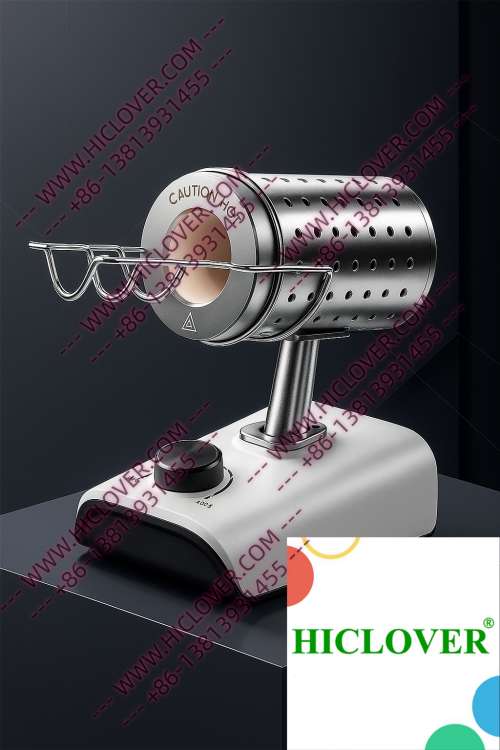
The Micro Incinerator operates on the principle of rapid thermal sterilization using infrared heat. Unlike traditional methods, which often utilize an open flame, this advanced tool houses a ceramic heating chamber that exposes inoculating loops or other instruments to high temperatures within an enclosed setup. The result is effective and consistent sterilization without the hazards associated with flames, such as aerosol generation.
Technical Configuration of the Micro Incinerator
Typically compact in design, the Micro Incinerator features an intuitive interface and a rapid heating capability. The enclosed ceramic tube allows for efficient heat management, significantly reducing the risk of contamination that often plagues open flame devices. The infrared heating ensures that instruments are sterilized quickly and uniformly, making it suitable for various laboratory settings.
Application Scenarios in Sudanese Laboratories
In Sudan, the integration of Micro Incinerators into laboratory workflows has opened new avenues, particularly in the following scenarios:
- Biosafety Cabinets: In BSL-2 and BSL-3 microbiology labs, where pathogen handling occurs, the Micro Incinerator enhances worker safety by providing an aerosol-free method for sterilization. After handling potentially infectious samples, researchers can easily sterilize their tools without compromising the sterile environment.
- Field Testing: During mobile field testing, where laboratory equipment might encounter environmental contaminants, having portable yet effective sterilization solutions like the Micro Incinerator ensures that field researchers can maintain the integrity of their samples while preventing cross-contamination.
Compliance and Environmental Considerations
Adherence to global biosafety and sterilization standards, such as those set forth by the WHO, is critical for laboratory operations in Sudan. The Micro Incinerator not only fulfills safety requirements but also aligns with essential guidelines that prohibit the use of open flames within clean rooms. This compliance provides peace of mind for easily meeting international laboratory accreditation and enhances the operational environment by minimizing fire hazards.
“With the Micro Incinerator, we can uphold stringent biosafety standards and significantly reduce our laboratory’s contamination risks,” says Dr. Fatima Ahmed, a leading microbiologist in Khartoum.
Advantages Over Traditional Flame Sterilizers
The Micro Incinerator presents several advantages when compared to traditional flame sterilizers, such as alcohol lamps and Bunsen burners:
| Feature | Micro Incinerator | Flame Burners |
|---|---|---|
| Temperature Control | Precise and adjustable | Variable and dependent on fuel source |
| Safety | No open flame | Risk of burns and fire hazards |
| Aerosol Generation | Aerosol-free handling | Risk of generating aerosols |
| Efficiency | Rapid sterilization cycle | Longer preparation time |
Frequently Asked Questions
As laboratories in Sudan consider transitioning to innovative sterilization solutions, several questions arise:
- What is the primary advantage of using a Micro Incinerator? It provides rapid thermal sterilization in a safe, efficient, and compliant manner without the risks associated with open flames.
- Can the Micro Incinerator be used in BSL-3 labs? Yes, it is designed to meet the stringent safety requirements of BSL-2 and BSL-3 microbiology labs, protecting personnel and the environment.
- How does infrared sterilization compare to traditional methods? Infrared sterilization ensures more consistent heat distribution, quicker sterilization cycles, and less contamination risk compared to flame-based methods.
- Is the Micro Incinerator portable? Yes, its compact design makes it suitable for both laboratory and field testing environments.
- What maintenance is required for the Micro Incinerator? Regular cleaning of the ceramic chamber and routine checks of the heating elements ensure optimal performance.
Conclusion
As Sudan’s healthcare sector continues to develop, the deployment of advanced sterilization solutions like the Micro Incinerator will play a pivotal role in enhancing laboratory efficiency, ensuring compliance with international safety standards, and safeguarding the wellbeing of laboratory personnel. Whether for university teaching labs or clinical diagnostics, these innovative devices represent a leap forward in sterilization technology.
If you are interested in acquiring the Micro Incinerator or require further information about our sterilization solutions, please do not hesitate to contact us or visit our website. Let’s lead the charge toward a safer, more efficient laboratory environment together.
Categories:
Tags: