
As urban Bangladesh faces increasing pressure on its waste disposal systems, laboratory biosafety challenges intensify. Maintaining sterilization workflows in densely populated cities is critical, especially in clinical diagnostics and research facilities where contamination control is paramount. One cutting-edge solution is the Micro Incinerator / Infrared Inoculating Loop Sterilizer, designed to provide an efficient, environmentally friendly alternative to traditional flame sterilization methods. This article explores its applications, compliance with biosafety standards, technical principles, and advantages over conventional methods.
Addressing Laboratory Sterilization Challenges
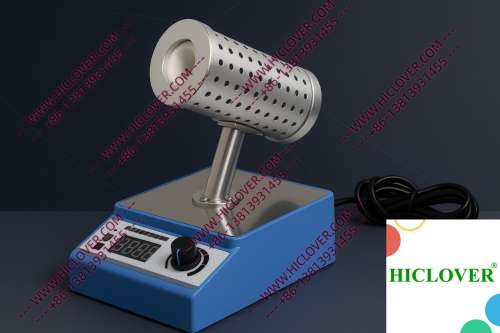
In modern laboratories, especially within urban settings, the need for effective sterilization solutions is vital. Researchers and technicians regularly face the challenge of eliminating microorganisms from workspaces, instruments, and media—particularly in environments classified as BSL-2 or BSL-3. Traditional flame sterilizers, such as alcohol lamps and Bunsen burners, present several limitations, including open flames, risk of combustion, and the potential for aerosol generation. This necessitates innovative technologies that can enhance laboratory safety while improving operational efficiency.
Technical Principles of Micro Incinerators
Micro Incinerators employ infrared heat technology via a ceramic heating chamber that provides rapid thermal sterilization. When heated, the enclosed ceramic tube generates intense heat, effectively destroying any microorganisms present on inoculating loops, metal instruments, and other laboratory tools. This method ensures a clean-bench-safe work environment, promoting safer handling practices without the worrying of igniting flammable materials or generating harmful aerosols.
Micro Incinerator vs. Traditional Flame Sterilizers
| Feature | Micro Incinerator | Flame Sterilizer |
|---|---|---|
| Heat Source | Infrared | Open Flame |
| Sterilization Temperature | Up to 850°C | Variable |
| Safety | Low risk of fire and aerosol generation | High risk of fire and contamination |
| Operational Efficiency | Rapid heating and cooling cycles | Longer heating time |
| Environmental Impact | Low emissions | Generated fumes |
Application Scenarios in Real Labs
- Biosafety Cabinets: Often utilized in BSL laboratories for working with pathogens. The Micro Incinerator can be integrated to provide rapid sterilization of implements without exposing them to open flames or aerosols.
- Field Testing Labs: In mobile rigorous testing conditions, such as field samples from patients or environmental specimens, the need for compact yet powerful sterilization tools is critical. The Micro Incinerator offers ease of transport and operational efficiency, ensuring safe specimen handling and processing.
Compliance with Biosafety Standards
According to the World Health Organization (WHO) guidelines, laboratory sterilization processes must adhere to stringent biosafety standards, ensuring a contamination-free environment. The Micro Incinerator complies with these recommendations, particularly in clean room conditions, as it eliminates the risk of flame-related hazards. Utilizing infrared high-temperature disinfection also meets lab sterilization standards, promoting safe practices across various settings, including teaching labs at universities and NGO research centers.
Emphasizing the Impact in Urban Bangladesh
As urban centers in Bangladesh evolve, the integration of sustainable sterilization technologies like Micro Incinerators becomes increasingly pertinent. Field testing and clinical environments can greatly benefit from products that not only enhance safety but also align with environmental compliance mandates. The move towards such technologies fosters responsible waste management and elevated biosafety standards in laboratories.
Frequently Asked Questions
- What is a Micro Incinerator?
A Micro Incinerator is a device that uses infrared technology to sterilize laboratory instruments quickly and efficiently, ensuring a safe and contamination-free work environment.
- How does a Micro Incinerator compare to traditional flame sterilizers?
Micro Incinerators eliminate the risks associated with open flames, such as combustion and aerosol generation, while providing consistent and rapid sterilization.
- Can Micro Incinerators be used in BSL-2 and BSL-3 labs?
Yes, Micro Incinerators are designed to meet the strictest biosafety requirements, making them suitable for use in BSL-2 and BSL-3 environments.
- What are the benefits of using infrared sterilization technology?
Infrared sterilization technology offers rapid heating and cooling cycles, minimal environmental impact due to low emissions, and effective microorganism destruction.
- Where can I find Micro Incinerators for laboratory use in Bangladesh?
Suppliers and distributors specializing in laboratory equipment in Bangladesh can provide Micro Incinerators, supporting local laboratories with cutting-edge sterilization solutions.
Conclusion
In conclusion, the adoption of Micro Incinerators represents a significant advancement in laboratory sterilization practices, particularly in urban settings like Bangladesh. By offering a sustainable and efficient alternative to traditional flame sterilizers, these devices enhance safety, compliance, and operational workflows in various laboratory environments. For further details and purchasing options, feel free to reach out to our team, and discover how Micro Incinerators can elevate your lab’s sterilization efforts.
Categories:
Tags: