
As the demand for laboratory sterility rises globally, laboratories in Bangladesh are facing significant biosafety challenges. From controlling contamination in clinical diagnostics to maintaining a sterile environment in research facilities, the need for efficient sterilization equipment has never been greater. Enter the Micro Incinerator / Infrared Inoculating Loop Sterilizer: a revolutionary piece of laboratory sterilization equipment that’s transforming how medical and research facilities operate, ensuring safety and compliance with international standards.
The Evolution of Laboratory Sterilization
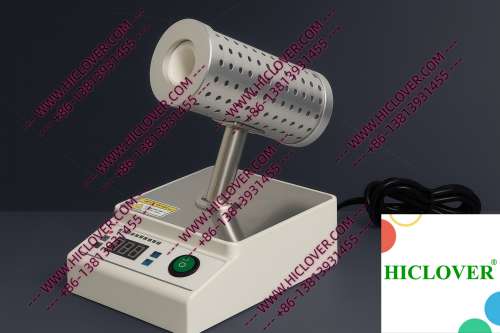
The foundational principle of laboratory sterilization is to eradicate pathogens and prevent contamination of samples. Traditional methods, such as Bunsen burners and alcohol lamps, often introduce risks including flame hazards, aerosol generation, and inconsistent heat. In contrast, the Micro Incinerator uses advanced infrared heat technology, employing an enclosed ceramic heating chamber that delivers rapid thermal sterilization. This innovation not only enhances safety but also improves workflow efficiency.
Key Features of the Micro Incinerator
- Infrared Heat Technology: Provides high-temperature disinfection without open flames.
- Enclosed Ceramic Tube: Prevents aerosol generation, ensuring a clean and safe work environment.
- Rapid Heating: Achieves sterilization within seconds, significantly reducing downtime in laboratory processes.
- Durability: Built to withstand rigorous laboratory use with minimal maintenance required.
- Eliminating open flames, thus ensuring compliance with clean bench standards.
- Reducing the risk of contamination associated with traditional methods.
- Utilizing efficient energy consumption models, promoting environmental sustainability.
- What is the primary advantage of using a Micro Incinerator over a flame burner?
Micro Incinerators provide consistent, rapid sterilization without the risks associated with open flames, making them safer and more efficient for laboratory use. - How does the infrared heat technology work in Micro Incinerators?
Infrared heat technology uses high temperatures to sterilize tools and materials quickly, directly transferring heat to the target surface without the surrounding environment being affected. - Are Micro Incinerators compliant with WHO biosafety standards?
Yes, Micro Incinerators are designed to meet WHO biosafety guidelines, particularly in minimizing contamination risks and ensuring safe handling practices. - Can Micro Incinerators be used in field testing laboratories?
Absolutely. Their portability and efficiency at sterilization make them ideal for use in mobile or field testing environments.
Application Scenarios in Bangladesh’s Medical Sector
The adoption of Micro Incinerators is becoming widespread in multiple settings within Bangladesh’s medical sector, ensuring that safety and sterility are prioritized across various applications.
1. Biosafety Cabinets in Clinical Diagnostics
One of the most common applications of Micro Incinerators is within BSL-2 and BSL-3 microbiology labs, where the handling of infectious agents must adhere to strict biosafety protocols. In these environments, the use of Micro Incinerators allows for effective sterilization of inoculating loops and tools without the risk of open flames. This enables healthcare professionals to focus on diagnostic testing and research without the added anxiety of accidental fires or contamination.
2. Teaching Labs in Universities
In educational institutions, especially universities, fostering safety while teaching is paramount. Using Micro Incinerators in teaching labs not only educates student trainees about modern sterilization techniques but also minimizes the risks associated with traditional flame sterilizers. With a focus on aerosol-free handling, students can learn practices that maintain a clean environment, setting a precedent for future laboratory work in their careers.
Compliance and Environmental Considerations
Adhering to biosafety standards is critical for laboratories in Bangladesh. The World Health Organization (WHO) provides guidelines that emphasize the importance of maintaining safe operational practices when handling biological materials. Micro Incinerators align with these requirements by:
Furthermore, as institutions strive to meet international sterilization standards, the integration of Micro Incinerators positions them as leaders in laboratory biosafety compliance, thus enhancing their credibility and operational capacity.
Comparison of Micro Incinerators vs. Traditional Flame Burners
| Feature | Micro Incinerator | Flame Burners |
|---|---|---|
| Ignition Source | Infrared heat | Open flame |
| Aerosol Generation | None | Yes |
| Heat Distribution | Consistent | Variable |
| Safety | Higher | Lower |
| Efficiency | High | Moderate |
Frequently Asked Questions
Conclusion
As Bangladesh’s medical sector advances, the need for improved laboratory sterilization techniques is increasingly vital. Micro Incinerators are setting a new standard, providing unparalleled safety, efficiency, and compliance with international biosafety protocols. If you are looking to enhance your laboratory practices or comply with evolving standards, consider investing in a Micro Incinerator today. For more information on how to integrate this revolutionary sterilization equipment into your facility, do not hesitate to reach out!
Categories:
Tags: